

Visual explanationFree resource
Visual medical education by Armando Hasudungan
Medical science, drawn into focus.
Explore visual explanations that reveal how the facts, processes and clinical patterns fit together—then discover the coming AH study platform, built to guide what you study next and check what stuck.
Connected studyComing soon
Clear visual explanations used by medical and allied-health learners around the world.
Explore the free library
Start with the topic in front of you.
Browse by subject or jump straight into the explanation you need. No account required.
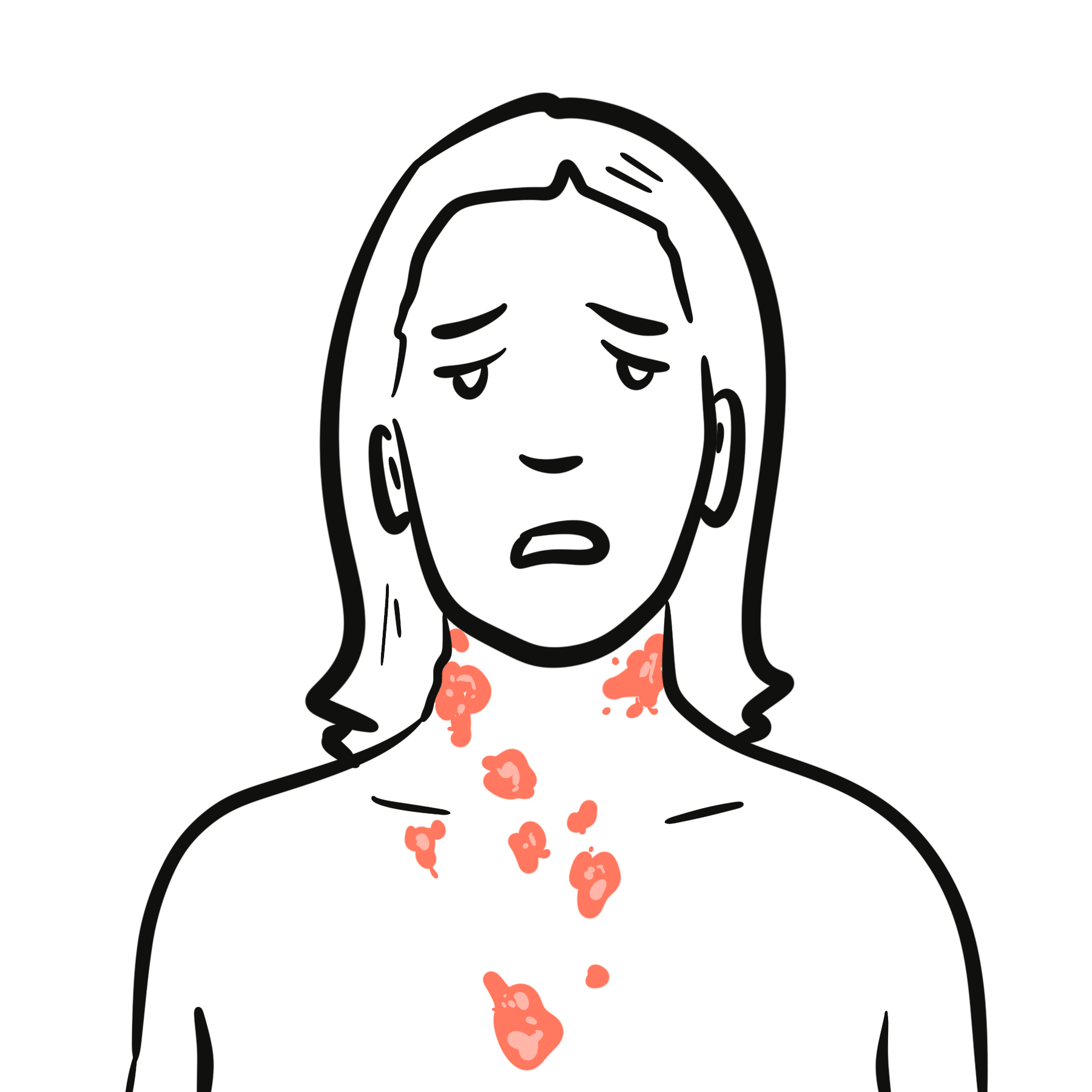
Sweet’s Syndrome (acute febrile neutrophilic dermatosis)
Overview Sweet's syndrome, also known as acute febrile neutrophilic dermatosis , is an autoinflammatory skin disorder belonging to the group of non-infectious neutrophilic dermatoses . It is characterized by the sudden onset of high fever, leukocytosis with absolute neutrophilia, tender erythematous cutaneous papules, plaques, or nodules, and a dense dermal infiltrate of mature neutrophils on…
View topic ↗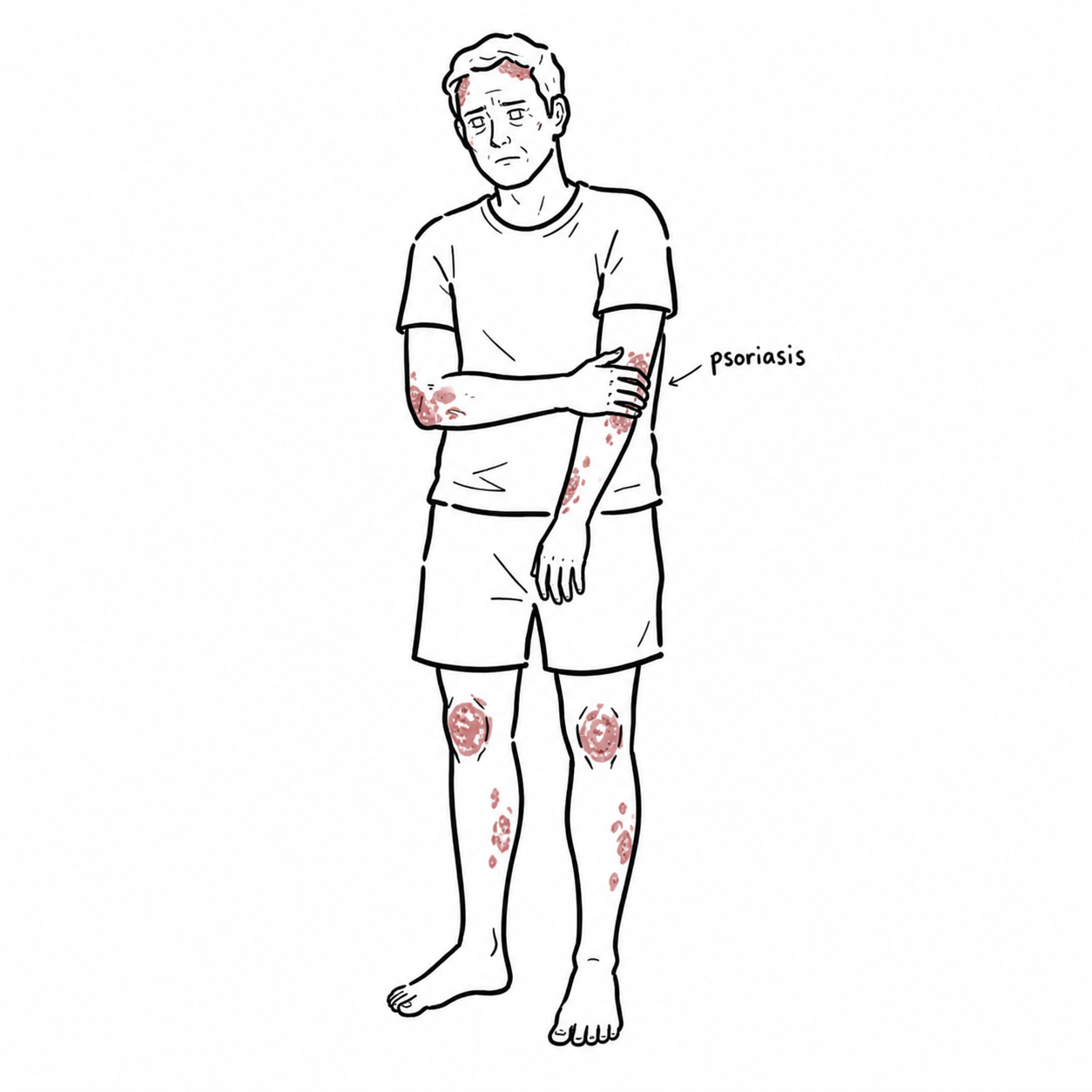
Psoriasis
Overview Psoriasis is a chronic, immune-mediated, inflammatory skin disease with systemic associations, characterized by sharply demarcated erythematous plaques with overlying scale, most commonly plaque psoriasis. [1-4] It affects about 1% to 3% of the global population, although prevalence varies by geography and ethnicity, and plaque psoriasis accounts for about 80% to 90% of cases. [1,2]…
View topic ↗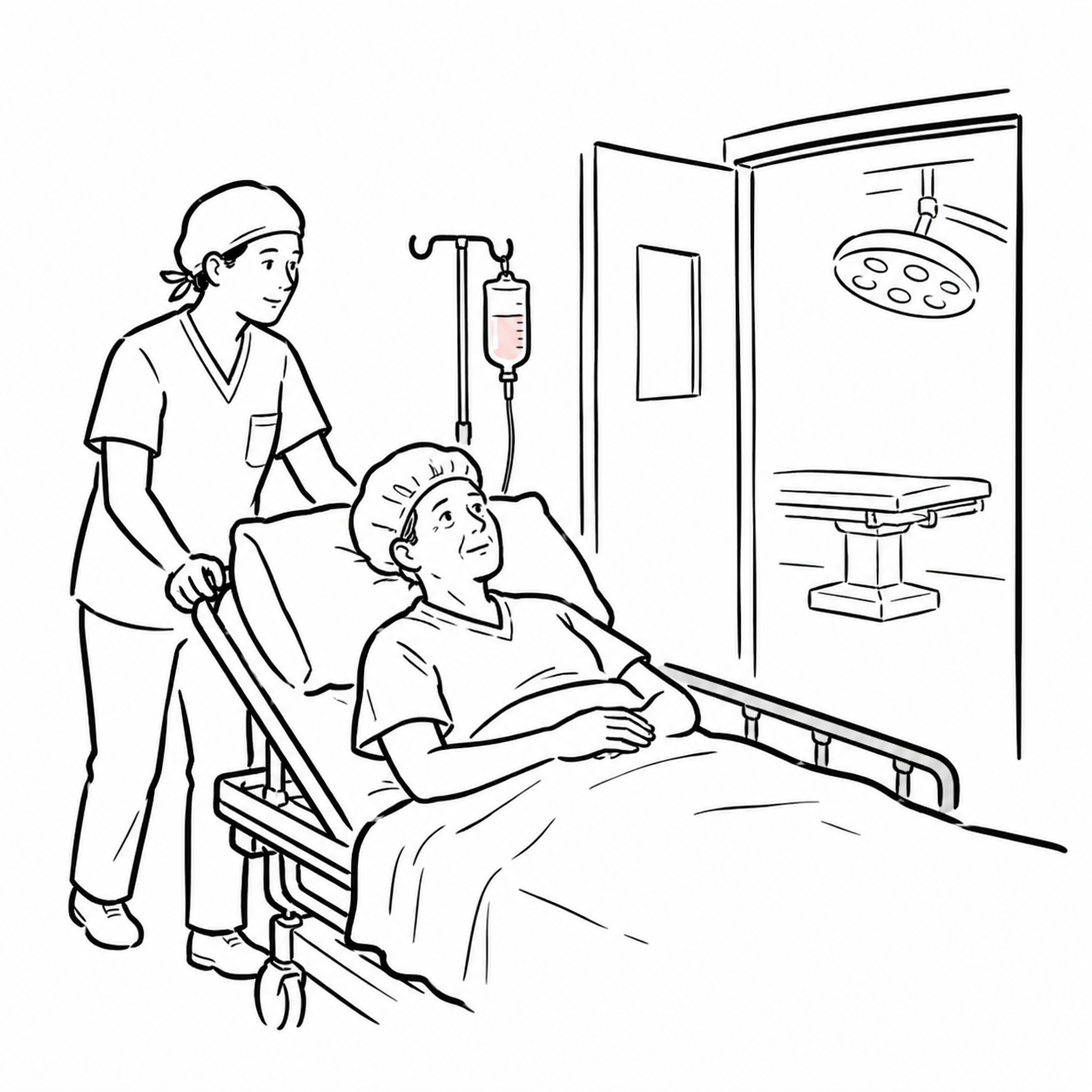
Pre-operative Care
Overview Definition Perioperative Management refers to the period of time extending from the day prior to surgical intervention to several days after said intervention. It consists of the preoperative, intraoperative and postoperative period. Patient education Investigation used at surgery Coagulation status (ie. INR <2) Imaging scans for day of surgery Pre-operative care Aims: to provide…
View topic ↗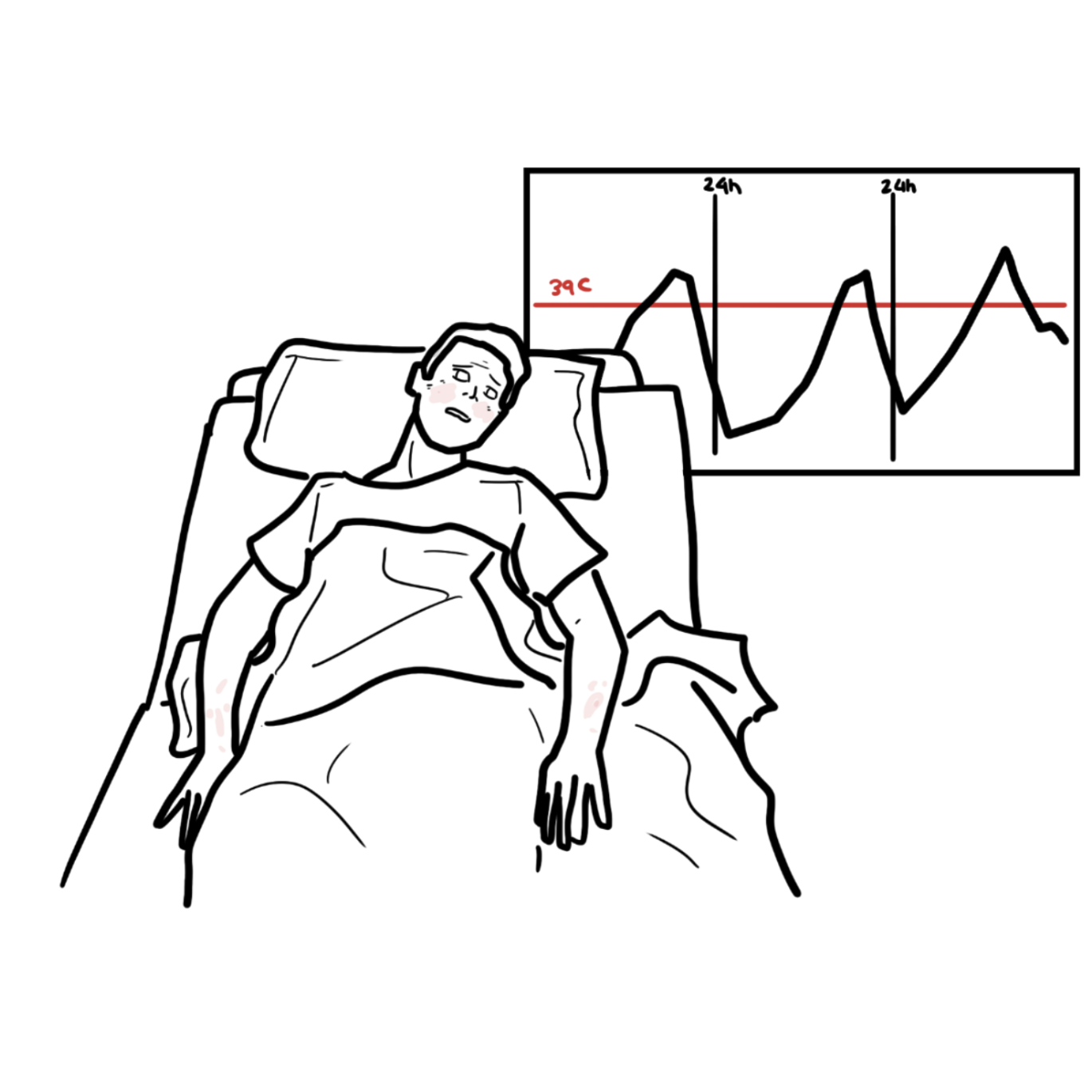
Adult onset Still's Disease
Overview Adult Onset Still’s Disease (AOSD) is a complex multisystemic autoinflammatory disease characterised by recurrent episodes of spiking fever (> 39–40°C), pink–salmon transient skin rash, and the presence of arthralgia or polyarthritis. First described by Eric Bywaters in 1971 it closely resembles systemic onset juvenile idiopathic arthritis (Still’s disease). retrospective observational study in Japan found…
View topic ↗
Endometrial Cancer
Overview Endometrial carcinoma is an epithelial malignancy of the uterine corpus mucosa, usually an adenocarcinoma. Endometrial carcinoma is the most common female genital tract malignancy. Postmenopausal bleeding always needs to be investigated because it can indicate malignant disorders and premalignant conditions, such as endometrial hyperplasia. The most common etiology of postmenopausal bleeding is atrophic endometritis or vaginitis. Menopause:…
View topic ↗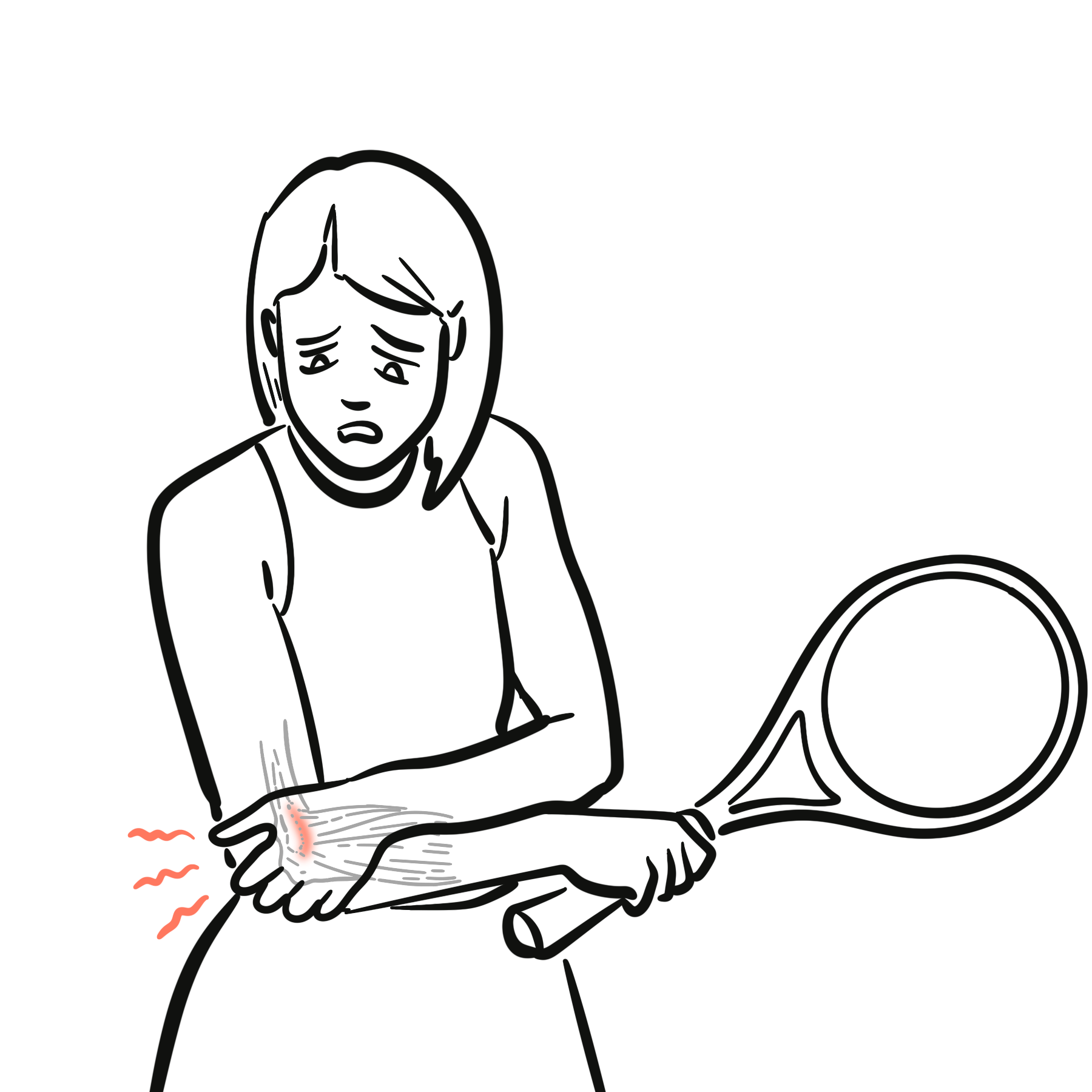
Lateral and Medial Elbow Tendinopathy (Epicondylitis)
Overview Medial and lateral elbow tendinopathies are common overuse injuries affecting the common flexor and extensor tendon origins at the elbow, respectively. Commonly known as Golfer's Elbow (medial) and Tennis Elbow (lateral), these conditions are primarily degenerative (tendinosis) rather than inflammatory (tendinitis), resulting from repetitive microtrauma and failed healing responses. Lateral Elbow Tendinopathy (Tennis Elbow…
View topic ↗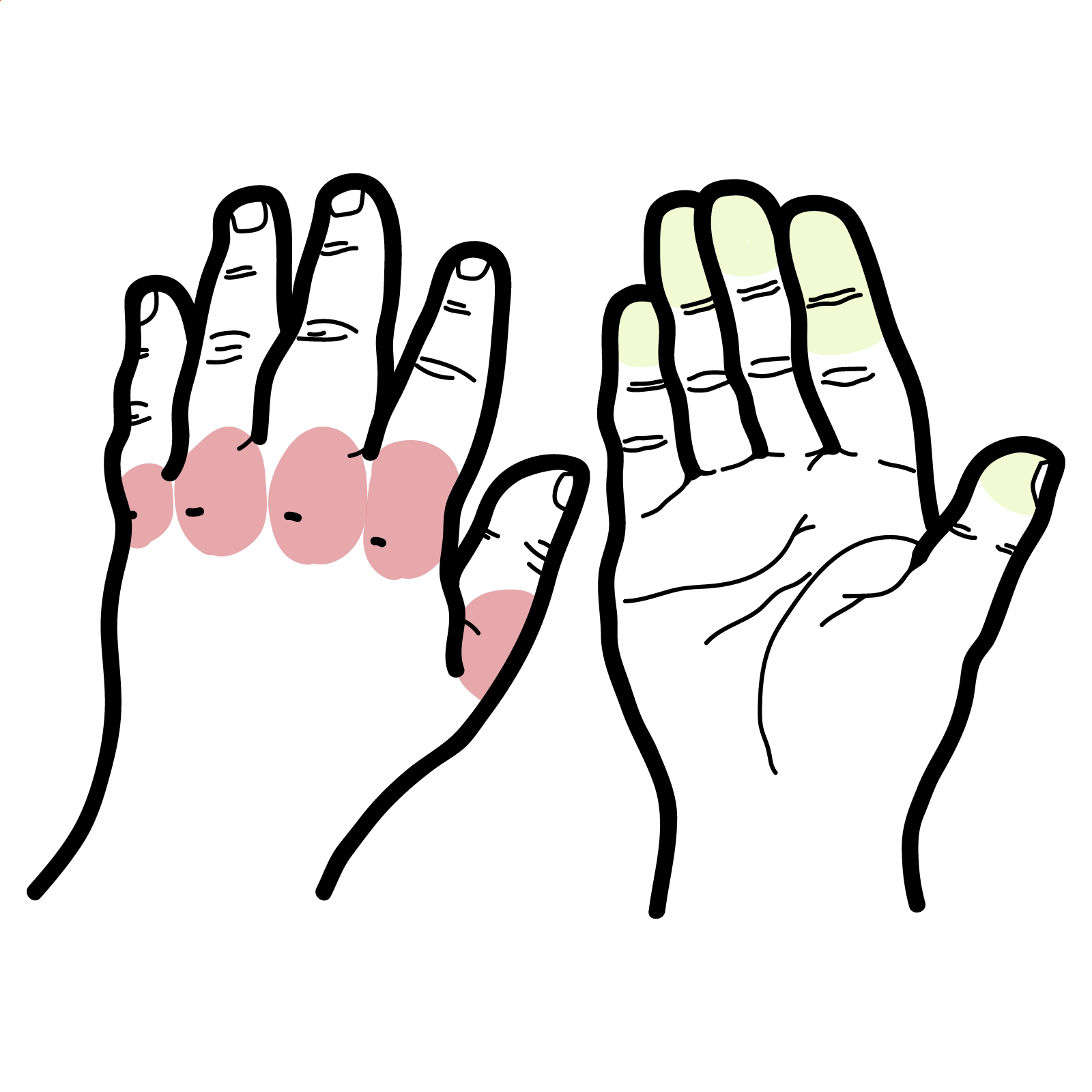
Mixed Connective Tissue Disease (MCTD)
Overview MCTD is a systemic autoimmune rheumatic disease characterized by overlapping clinical features of systemic lupus erythematosus (SLE), systemic sclerosis (SSc), polymyositis, with rheumatoid arthritis with high titres of anti-U1 RNP antibodies. It typically affects women aged 20–40 years. Prevalence is estimated at 3.8 per 100,000; more common in females (F:M ~9:1). The disease course…
View topic ↗Full resource library
Browse all topics ↗Choose how you learn
One idea. More than one way to see it.
Use the format that helps the topic click, then switch formats when you need to reinforce it.
01 / WATCH02 / READ03 / SEE04 / CHECK
Videos
Hand-drawn explanations that build the big picture as the concept unfolds.
Notes
Clear written explanations for review, reference and filling in the details.
Diagrams
Visual snapshots that help you easily review topics.
Questions
Test whether the explanation stayed with you—not just whether it looked familiar.
Good places to begin
Explanations learners return to.
Myocarditis – causes, pathophysiology, investigation and treatment
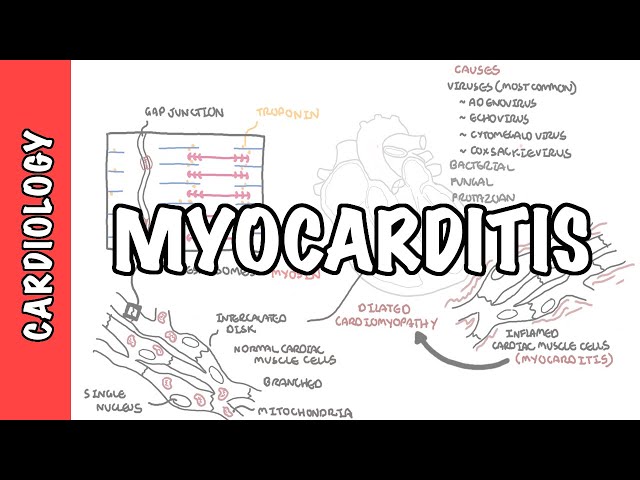
Myocarditis is inflammation of the cardiac muscle usually following an infection, trauma or ischaemic event to the heart. It is also associated with rheumatological diseases such as SLE. Myocarditis can be acute or chronic. For most cases in routine clinical practice, a specific aetiology is not found. Viruses remain the most common cause, and often…
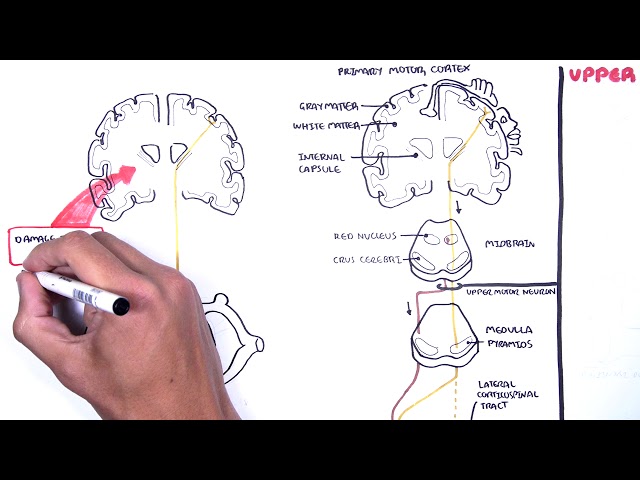
Introduction to Upper and Lower Motor Neuron Lesions
Explore the key differences between upper and lower motor neuron lesions, including their causes, clinical signs, and diagnostic features. This video provides a clear overview of motor pathway damage and its impact on muscle tone, reflexes, and coordination.
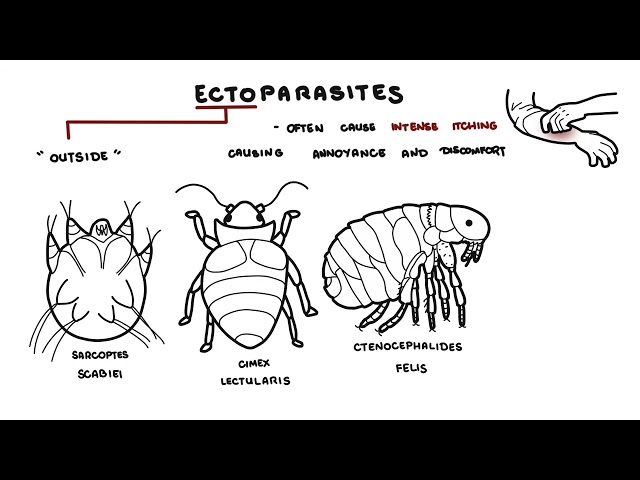
Parasites Overview
Parasites are microorganisms that live on a living host and derive nutrition them without any benefit to the host. Parasites can also cause harm to the infected host. There are three classes of parasites that cause infections in humans: Protozoa, Helminths, Ectoparasites.
Our mission
Medical science is complex. Understanding it should feel possible.
Armando Hasudungan turns difficult medical science into clear visual explanations and connected learning experiences—so learners can see the whole picture, remember what matters and find a clearer way forward.
See it clearly
Turn abstract processes and invisible relationships into something the learner can picture.
Connect the pieces
Build understanding around how concepts fit together—not a pile of isolated facts.
Make it useful
Help learners move from explanation to recall, revision and the next logical step.
What clarity feels like
When the topic stops being a blur.
Learners do not come back because the subject became easy. They come back because the explanation gave them a picture they could work with.
“Armando's teaching style gives me the foundational knowledge.
Jessica Payne-Burnett
Medical Student, Charles Sturt University
“The notes I make during his videos help me retain everything better.
Ayesha RaiStudent, Islamabad Medical and Dental College
“The drawings are amazing and super easy to remember.
Reem Mohamed Khair Abdalrazig
Student, Neelain University
Coming soon: the AH study platform
The explanation is only the start.
The free library helps you find a clear explanation. The AH platform is being built to help you connect the resources, follow a clearer path and check what actually stuck.
- Watch in a focused, ad-free study environment.
- Move between connected videos, notes, diagrams and questions.
- Know what belongs next instead of rebuilding the study path yourself.
- Test your understanding while the topic is still fresh.
New and worth a look
Keep building the picture.
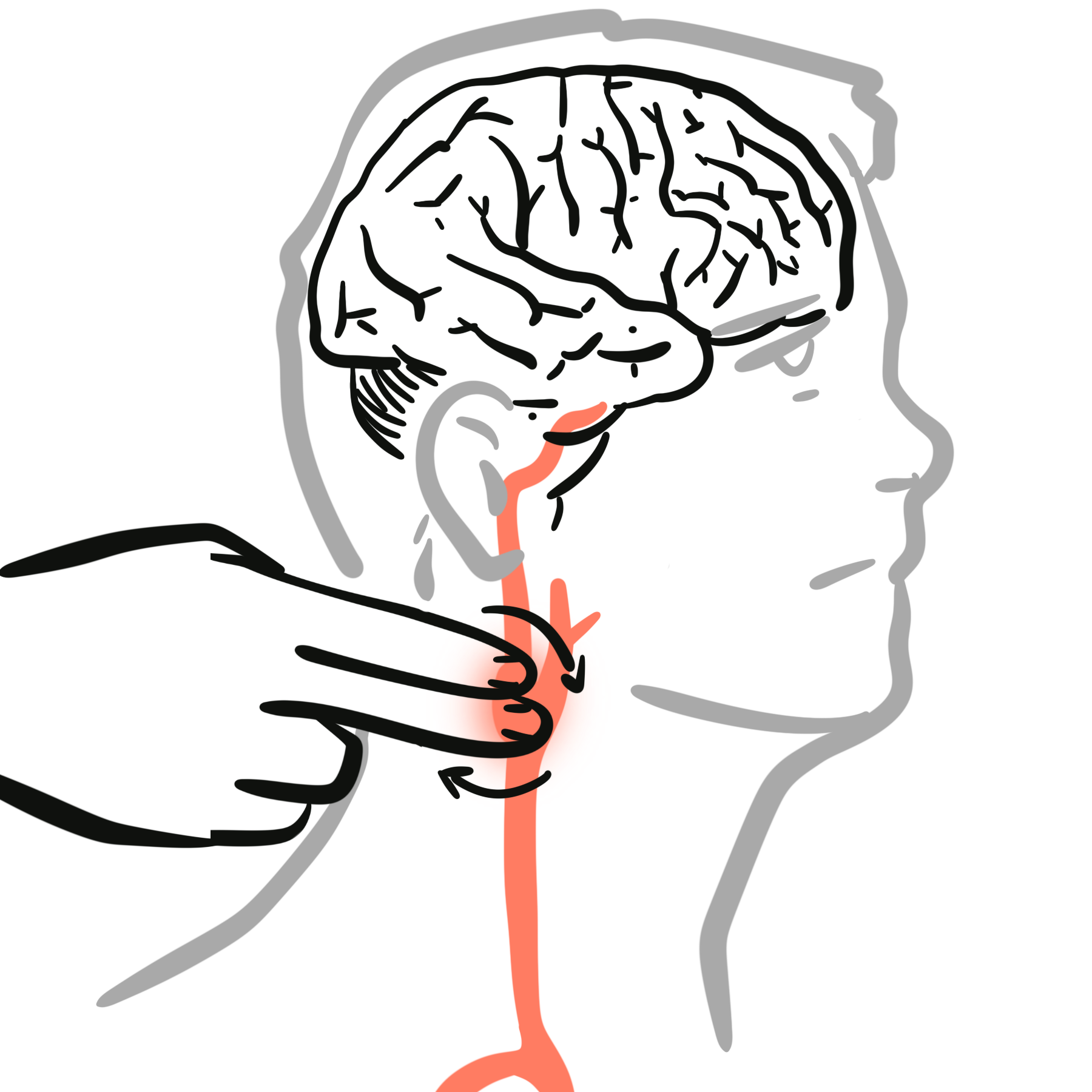
Carotid Sinus Hypersensitivity
Overview Carotid sinus hypersensitivity is an exaggerated autonomic response to stimulation of the carotid sinus. The resulting reflex may cause marked bradycardia, transient asystole, vasodilatation, hypotension, or a combination of these effects. This can reduce cerebral perfusion and produce presyncope or syncope. 1 Carotid sinus hypersensitivity is a physiological finding demonstrated during carotid sinus massage.…
View this topic ↗About Visualising Medicine
Good education does not remove complexity. It makes complexity feel simple.
Visualising Medicine is the team behind Armando Hasudungan. We bring together medicine, illustration, writing and technology to make difficult ideas clearer—and build better ways for learners to use them.