

Visual explanationFree resource
Visual medical education by Armando Hasudungan
Medical science, drawn into focus.
Explore visual explanations that reveal how the facts, processes and clinical patterns fit together—then discover the coming AH study platform, built to guide what you study next and check what stuck.
Connected studyComing soon
Clear visual explanations used by medical and allied-health learners around the world.
Explore the free library
Start with the topic in front of you.
Browse by subject or jump straight into the explanation you need. No account required.
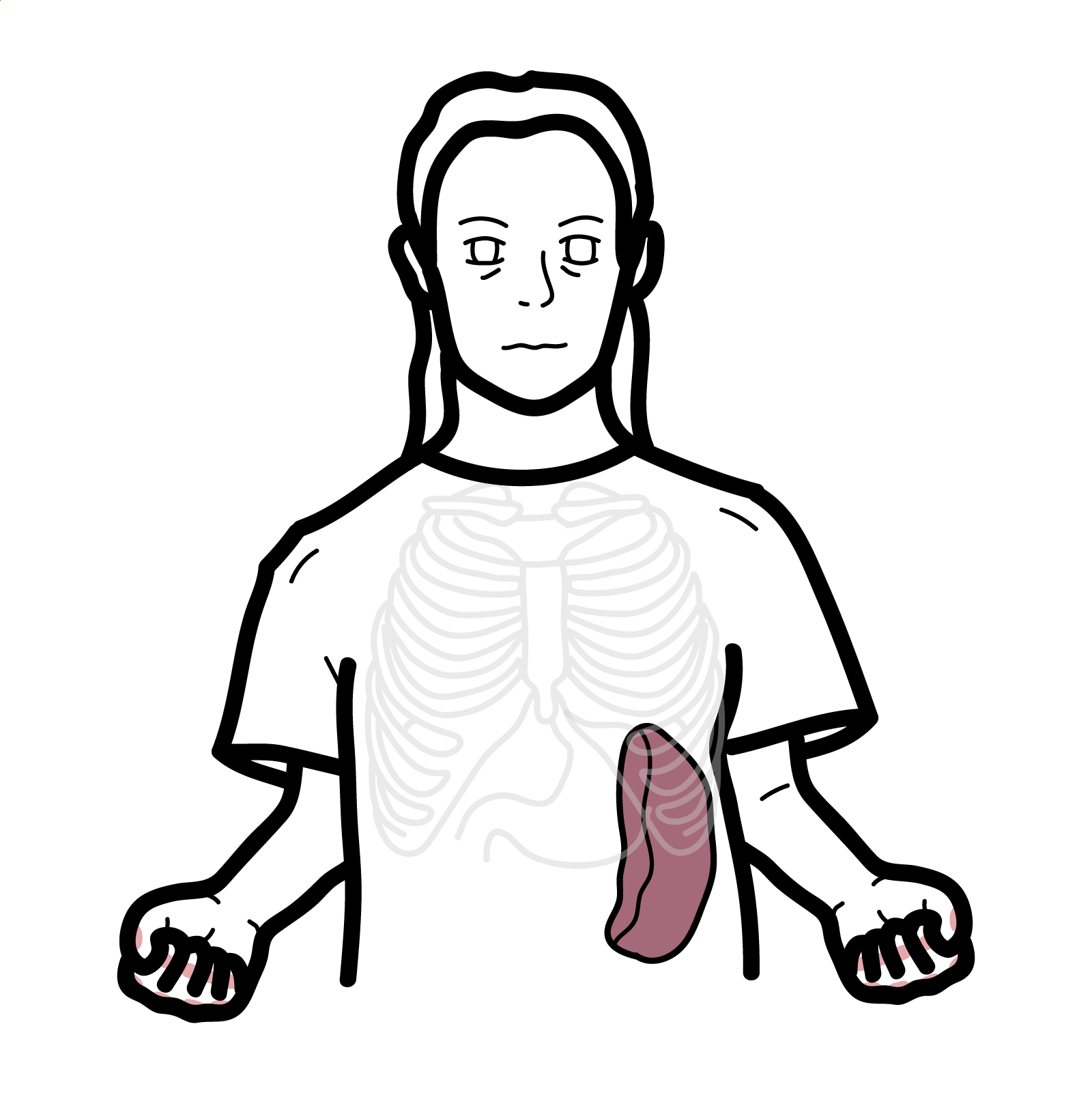
Felty Syndrome
Overview Felty syndrome is a rare but serious extra-articular manifestation of long-standing, seropositive rheumatoid arthritis (RA), characterized by the classic triad of RA, splenomegaly, and neutropenia. It was first described in 1924 by the US-American physician Augustus Roi Felty. It most commonly occurs after at least 10 years of poorly controlled RA and is associated…
View topic ↗
Systemic Lupus Erythematosus
Overview Systemic Lupus Erythematosus (SLE) is a chronic, multisystem autoimmune disease characterized by the production of autoantibodies and the deposition of immune complexes in various tissues. It predominantly affects women of childbearing age, with a female-to-male ratio of approximately 9:1. The disease is more prevalent among individuals of African, Asian, and Hispanic descent, and its…
View topic ↗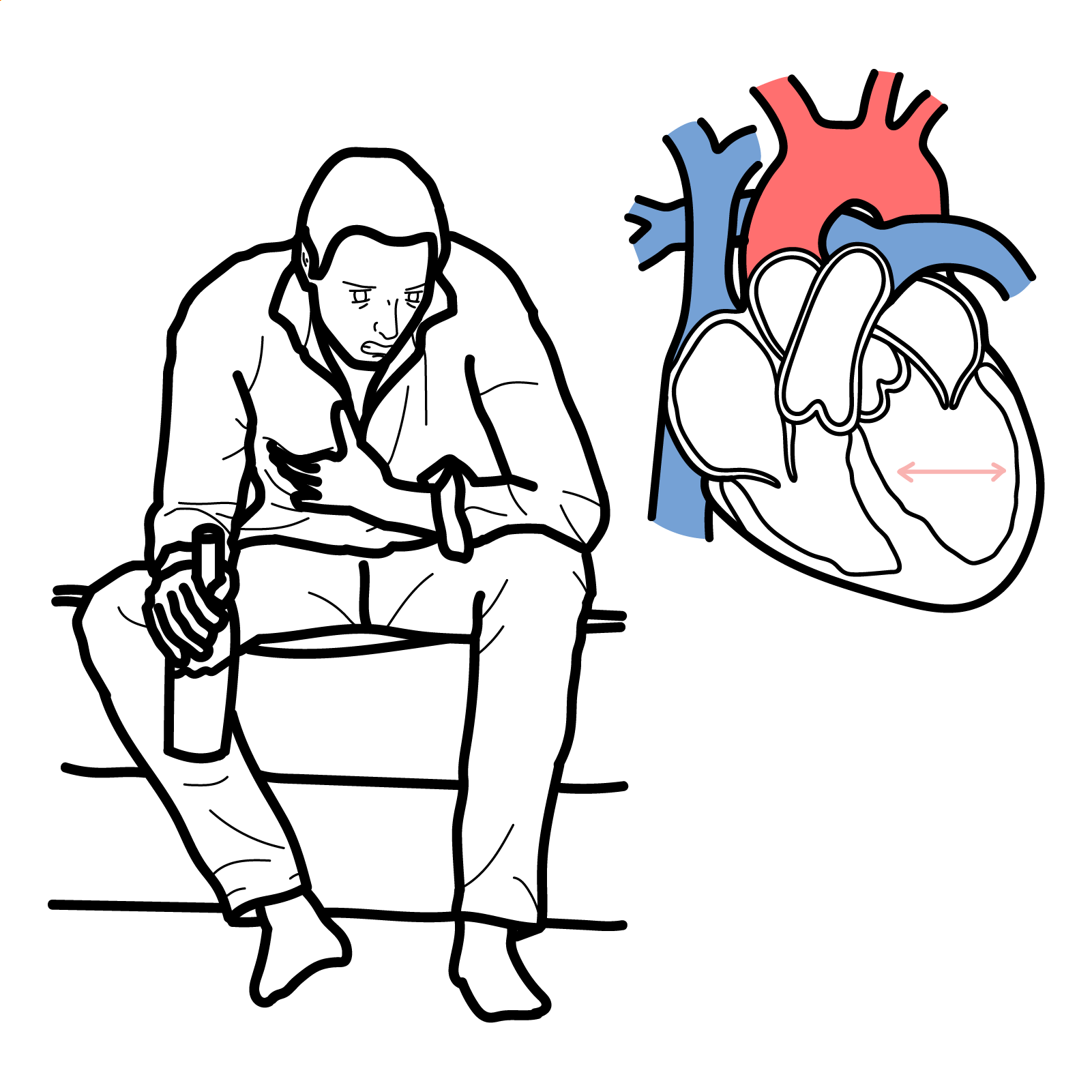
Alcoholic Cardiomyopathy
Overview Alcoholic cardiomyopathy, increasingly termed alcohol-induced cardiomyopathy , is an acquired form of dilated cardiomyopathy caused by prolonged heavy alcohol exposure in the absence of another sufficient cause. It typically produces left ventricular dilatation and systolic dysfunction, leading to heart failure, arrhythmias, thromboembolism and sudden cardiac death. 1,2 The commonly used exposure threshold is more…
View topic ↗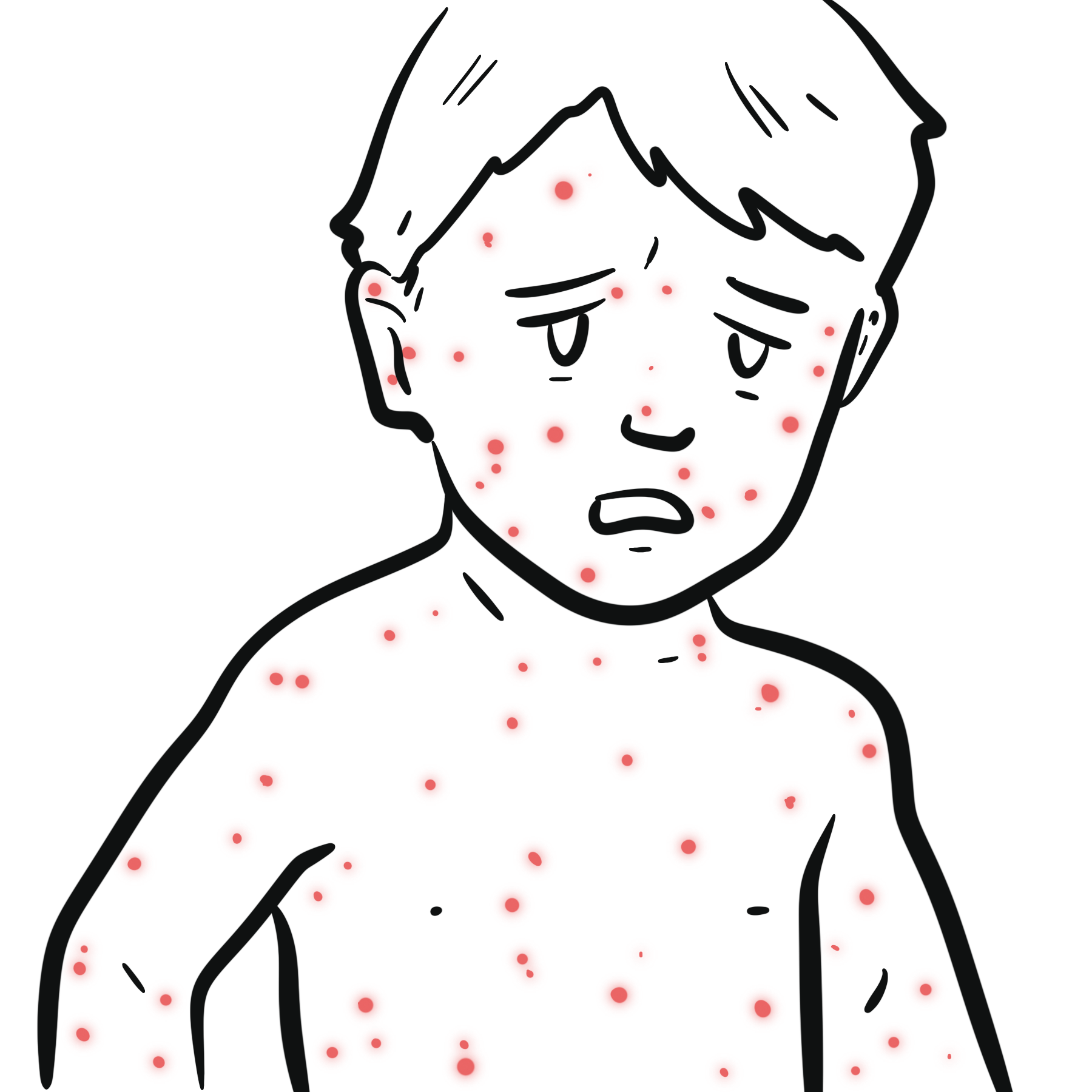
Chicken Pox (Varicella Zoster)
Overview Chickenpox (Varicella) is an acute, highly contagious primary viral infection caused by the Varicella-Zoster Virus (VZV) , a member of the Herpesviridae family. It is classically characterized by a generalized, intensely pruritic, polymorphic rash that progresses rapidly from macules and papules to clear "dewdrop-like" vesicles before crusting over. Although varicella is typically a mild,…
View topic ↗
Interstitial Lung Disease
Overview Interstitial Lung Disease is also known as Diffuse Parenchymal Lung Disease (DPLD). A Heterogeneous collection of restrictive lung conditions (>100) that primarily (or at least initially) disrupt the pulmonary interstitium. Interstitial Lung Disease (ILD) are grouped together as they share similar pathophysiological mechanisms, clinical features and radiological findings. Pulmonary Interstitium: Intervening structural tissue between the alveoli space and pulmonary…
View topic ↗
ACL Tear
Overview Anterior cruciate ligament (ACL) tear is one of the most common knee injuries, particularly in young athletes involved in pivoting sports (soccer, basketball, skiing). ACL injuries account for ~50% of all knee ligament injuries, with an incidence of ~68 per 100,000 annually, more common in females due to anatomical and biomechanical risk factors. ACL…
View topic ↗
Acute Respiratory Failure
Overview Acute Respiratory Failure (ARF) is a life-threatening impairment of the respiratory system's ability to maintain adequate gas exchange. It occurs when the lungs fail to adequately oxygenate systemic arterial blood, fail to eliminate carbon dioxide produced by tissue metabolism, or both. ARF is not a disease entity in itself, but rather a sudden, critical…
View topic ↗Full resource library
Browse all topics ↗Choose how you learn
One idea. More than one way to see it.
Use the format that helps the topic click, then switch formats when you need to reinforce it.
01 / WATCH02 / READ03 / SEE04 / CHECK
Videos
Hand-drawn explanations that build the big picture as the concept unfolds.
Notes
Clear written explanations for review, reference and filling in the details.
Diagrams
Visual snapshots that help you easily review topics.
Questions
Test whether the explanation stayed with you—not just whether it looked familiar.
Good places to begin
Explanations learners return to.
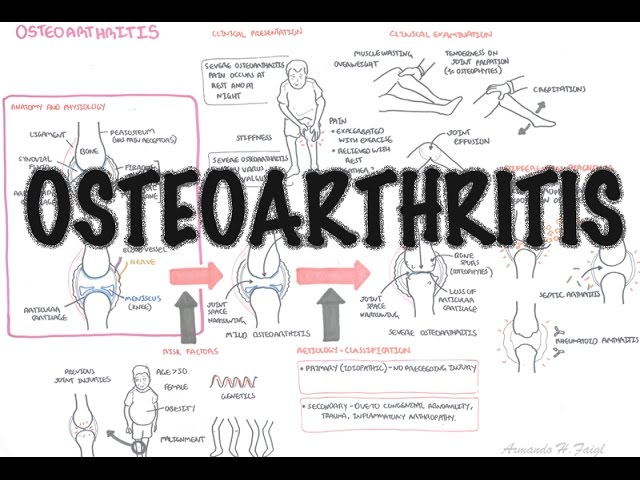
Osteoarthritis Overview (causes, pathophysiology, investigations, treatment)
Explore the key causes, pathophysiology, and clinical features of osteoarthritis, the most common form of joint degeneration. This video also covers essential investigations and evidence-based treatment options to manage symptoms and slow progression.
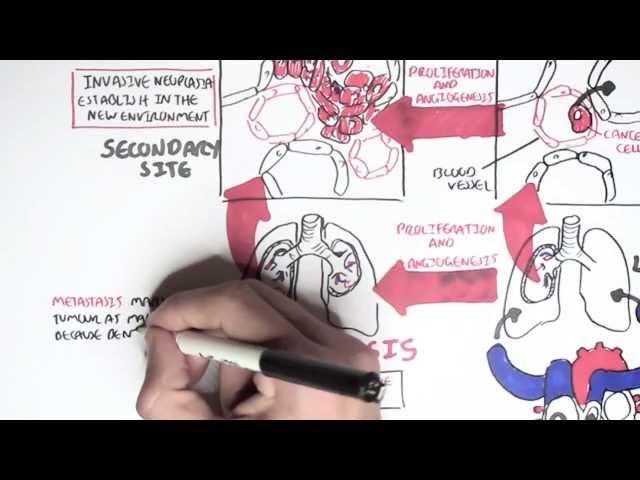
Cancer – Metastasis
Explore the process of metastasis, where cancer cells spread from the primary tumor to distant organs through blood and lymphatic pathways. This video explains the steps of invasion, circulation, and colonization, along with the factors that enable cancer cells to survive and grow in new environments.
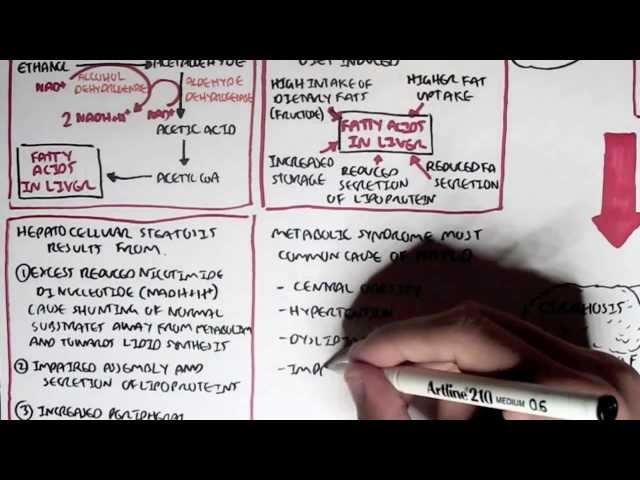
Liver Disease Part II
Continue learning about liver disease with a focus on advanced conditions such as cirrhosis, portal hypertension, and liver failure. This video explains the complications, clinical features, and underlying mechanisms of progressive liver damage.
Our mission
Medical science is complex. Understanding it should feel possible.
Armando Hasudungan turns difficult medical science into clear visual explanations and connected learning experiences—so learners can see the whole picture, remember what matters and find a clearer way forward.
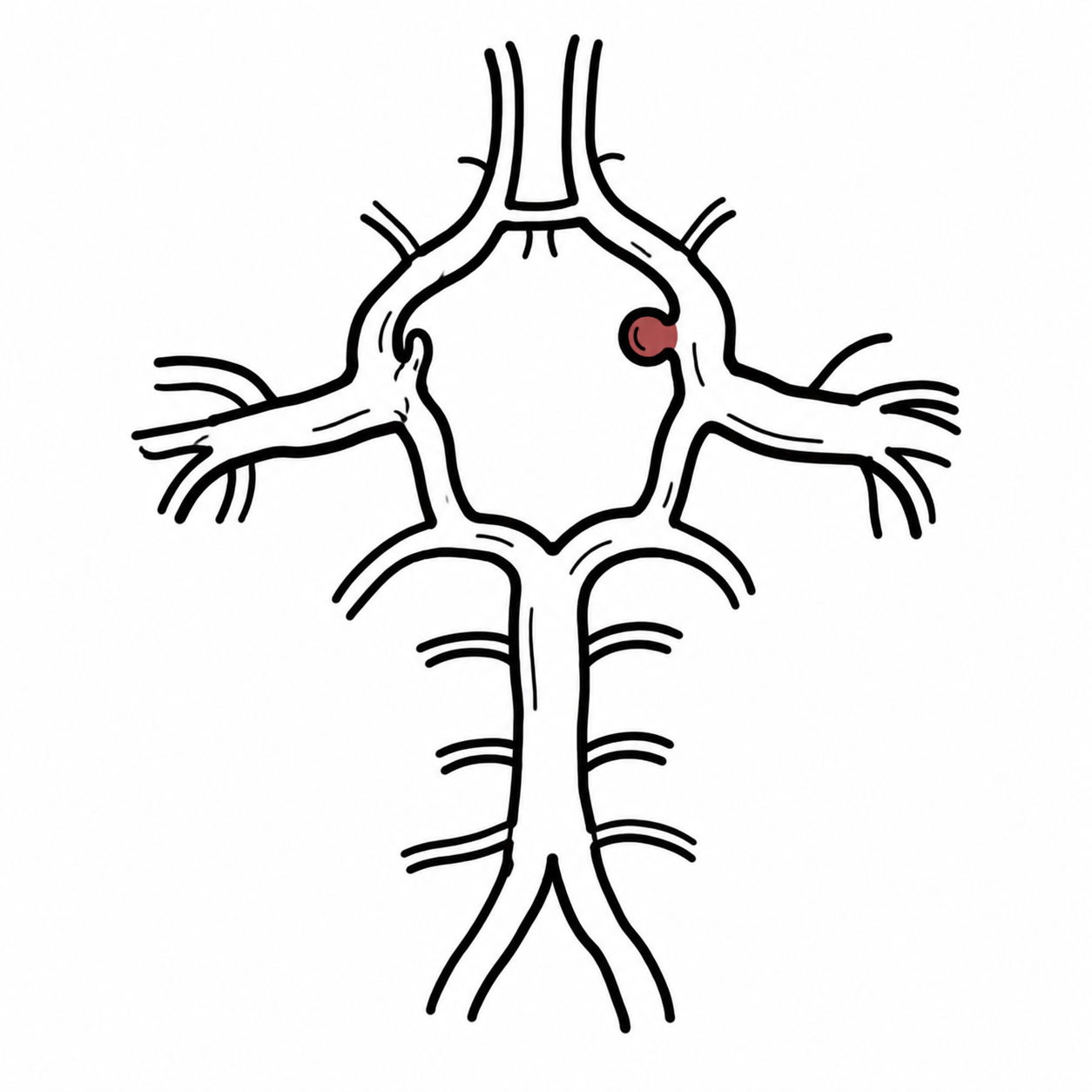
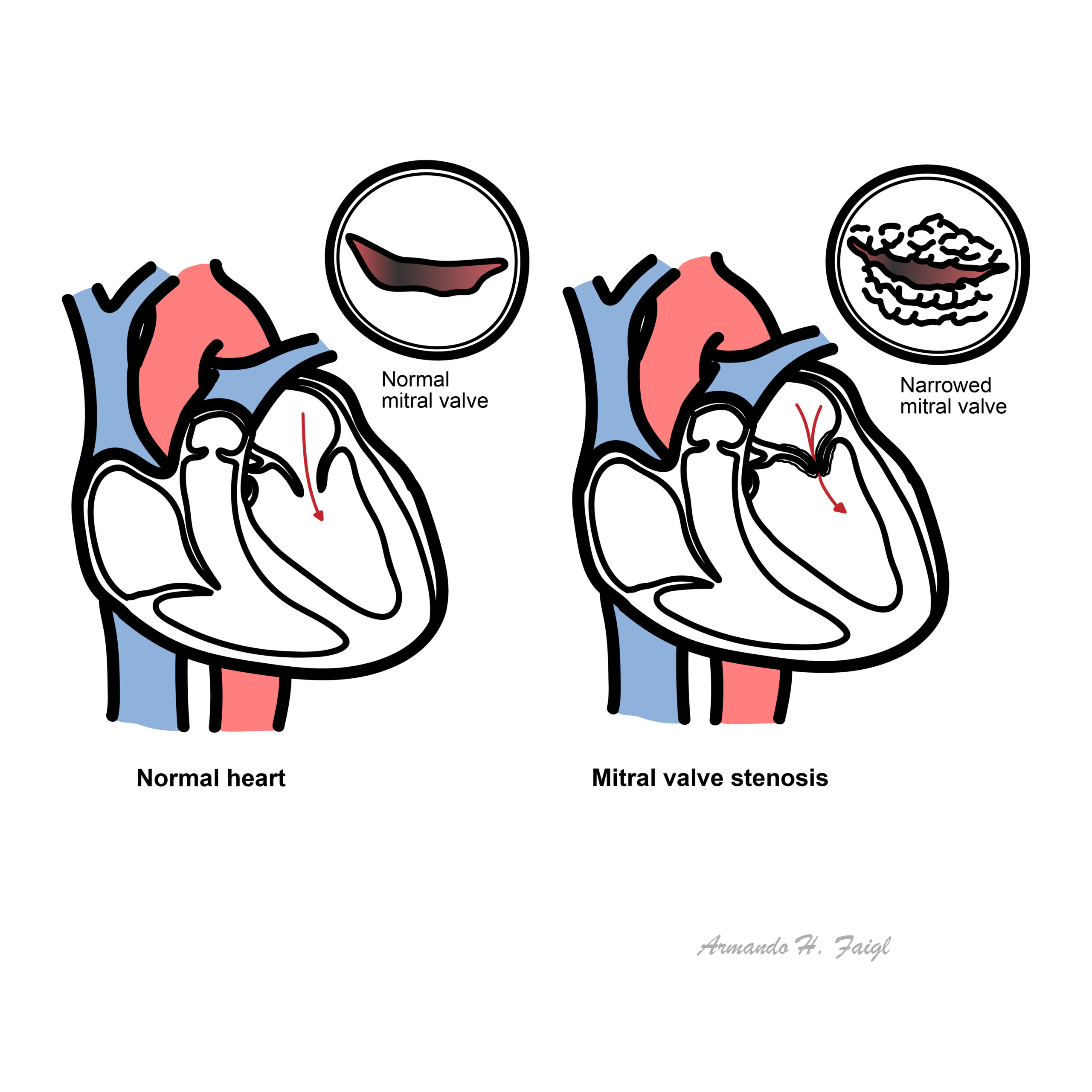
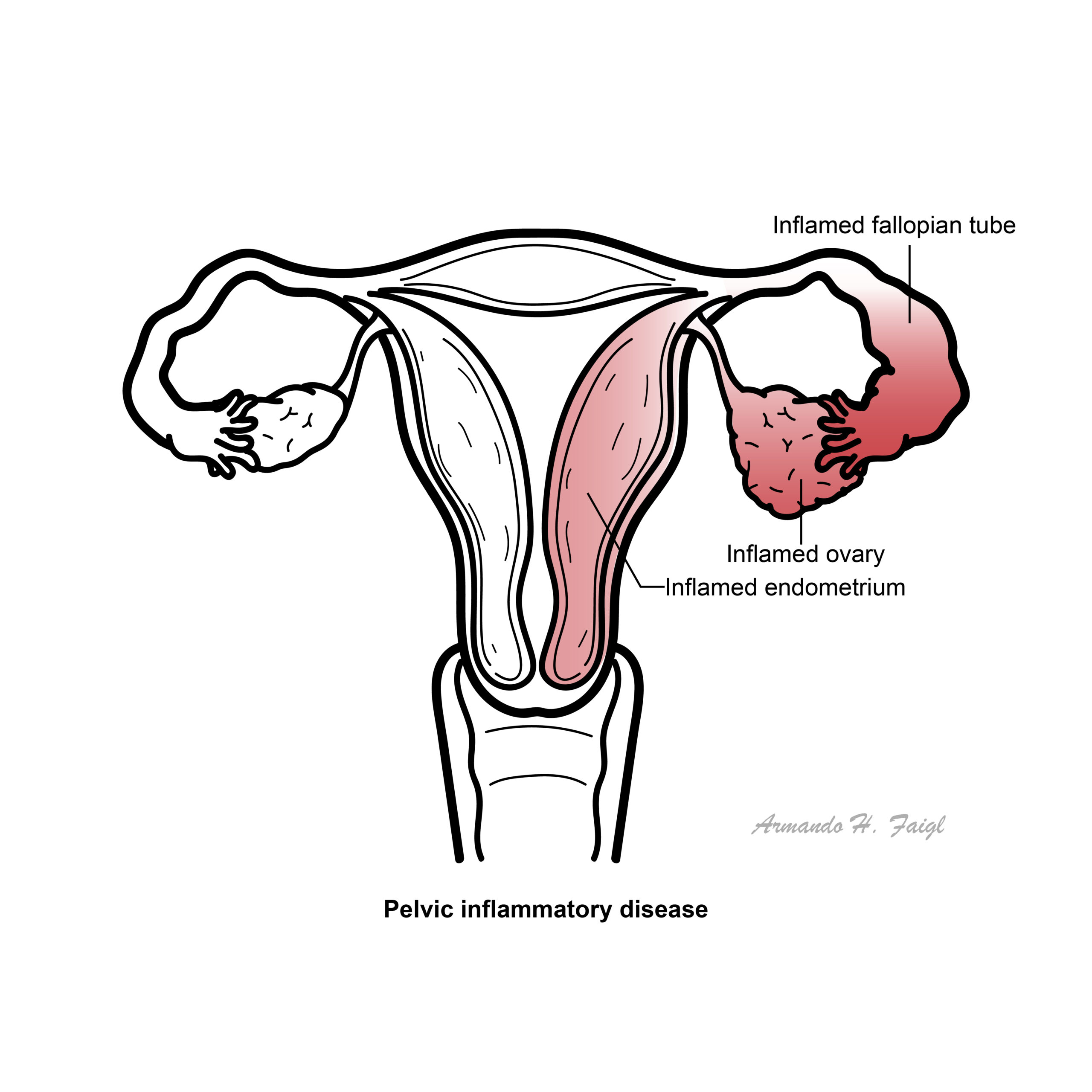
See it clearly
Turn abstract processes and invisible relationships into something the learner can picture.
Connect the pieces
Build understanding around how concepts fit together—not a pile of isolated facts.
Make it useful
Help learners move from explanation to recall, revision and the next logical step.
What clarity feels like
When the topic stops being a blur.
Learners do not come back because the subject became easy. They come back because the explanation gave them a picture they could work with.
“Armando's teaching style gives me the foundational knowledge.
Jessica Payne-Burnett
Medical Student, Charles Sturt University
“The notes I make during his videos help me retain everything better.
Ayesha RaiStudent, Islamabad Medical and Dental College
“The drawings are amazing and super easy to remember.
Reem Mohamed Khair Abdalrazig
Student, Neelain University
Coming soon: the AH study platform
The explanation is only the start.
The free library helps you find a clear explanation. The AH platform is being built to help you connect the resources, follow a clearer path and check what actually stuck.
- Watch in a focused, ad-free study environment.
- Move between connected videos, notes, diagrams and questions.
- Know what belongs next instead of rebuilding the study path yourself.
- Test your understanding while the topic is still fresh.
New and worth a look
Keep building the picture.

Cervical Radiculopathy
Overview Cervical radiculopathy is dysfunction of a cervical nerve root caused by irritation or compression as it leaves the spine. It commonly produces pain radiating from the neck into one arm, sometimes with paraesthesia, numbness, weakness or altered reflexes. A disc herniation or degenerative narrowing of the neural foramen is a common cause. Diagnosis is…
View this topic ↗About Visualising Medicine
Good education does not remove complexity. It makes complexity feel simple.
Visualising Medicine is the team behind Armando Hasudungan. We bring together medicine, illustration, writing and technology to make difficult ideas clearer—and build better ways for learners to use them.