

Visual explanationFree resource
Visual medical education by Armando Hasudungan
Medical science, drawn into focus.
Explore visual explanations that reveal how the facts, processes and clinical patterns fit together—then discover the coming AH study platform, built to guide what you study next and check what stuck.
Connected studyComing soon
Clear visual explanations used by medical and allied-health learners around the world.
Explore the free library
Start with the topic in front of you.
Browse by subject or jump straight into the explanation you need. No account required.
Psoriatic Arthritis
Overview Psoriatic arthritis (PsA) is a chronic, immune-mediated inflammatory arthritis associated with psoriasis, affecting up to 30% of patients with skin psoriasis. It commonly presents in adults aged 30–50 years, with equal gender distribution. The disease is highly variable, involving peripheral joints, axial skeleton, entheses, and skin/nails. Delay in diagnosis is common and can result…
View topic ↗Aortic Stenosis
Overview Aortic valve stenosis is characterised by obstruction of left ventricular outflow, resulting in inadequate cardiac output, decreased exercise capacity, heart failure, and death from cardiovascular causes. Mild to moderate aortic stenosis is usually a symptomatic, but occasionally can be found on routine examination Locations of stenosis – Valvular (common), supravalvular and subvalvular Aortic Stenosis…
View topic ↗Kawasaki Disease
Overview Kawasaki disease is an acute systemic vasculitis affecting small and medium-sized vessels predominantly affecting children under 5 years old. It is the leading cause of acquired heart disease in children in developed countries. Kawasaki is often self-limiting, but 20–25% risk of coronary artery aneurysms if untreated 1 . Vasculitis : Inflammation of blood vessel…
View topic ↗Peripheral Arterial Disease (Chronic Lower Limb Ischaemia)
Overview Ankle-Brachial Index (ABI): Ratio of ankle to brachial systolic blood pressure, determined using Doppler ultrasound flow. Claudication: Pain, ache, or cramp in muscles that increases with walking or leg exertion in a predictable manner and resolves with rest. Peripheral arterial disease: Atherosclerosis leading to narrowing of the major arteries distal to the aortic arch.…
View topic ↗Adult onset Still's Disease
Overview Adult Onset Still’s Disease (AOSD) is a complex multisystemic autoinflammatory disease characterised by recurrent episodes of spiking fever (> 39–40°C), pink–salmon transient skin rash, and the presence of arthralgia or polyarthritis. First described by Eric Bywaters in 1971 it closely resembles systemic onset juvenile idiopathic arthritis (Still’s disease). retrospective observational study in Japan found…
View topic ↗Gastroenteritis (Infectious Diarrhoea)
Overview Gastroenteritis continues to cause significant morbidity in developed and developing countries. The most common cause are viral and bacterial including: Norovirus Enteric adenoviruses E-coli Salmonella spp. and Shigella spp. Campylobater jejuni Diarrhoea: Loose, water like stools that occur with increased frequency and an increased volume of >200g per day Gastroenteritis: >3 or more loose…
View topic ↗Menopause
Overview The menopause means the final menstrual period – diagnosed retrospectively after one year of amenorrhoea. Cessation occurs due to loss of ovarian function. The “declining oocyte pool” theory states that a newborn girl is born with millions of eggs, most of which die by atresia. The average age of menopause is 50, however this can vary…
View topic ↗Full resource library
Browse all topics ↗Choose how you learn
One idea. More than one way to see it.
Use the format that helps the topic click, then switch formats when you need to reinforce it.
01 / WATCH02 / READ03 / SEE04 / CHECK
Videos
Hand-drawn explanations that build the big picture as the concept unfolds.
Notes
Clear written explanations for review, reference and filling in the details.
Diagrams
Visual snapshots that help you easily review topics.
Questions
Test whether the explanation stayed with you—not just whether it looked familiar.
Good places to begin
Explanations learners return to.
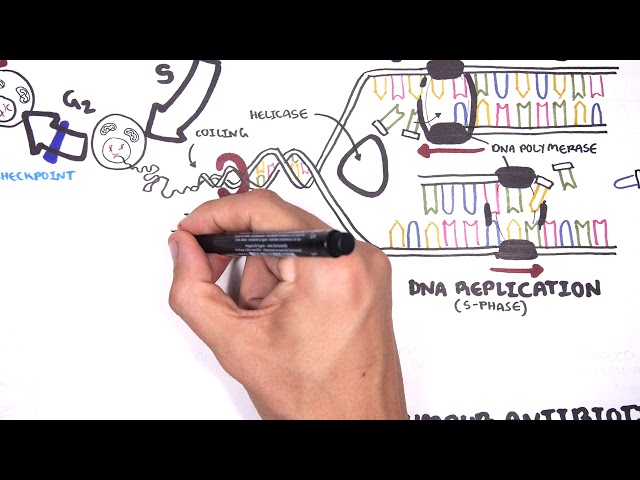
Pharmacology – Chemotherapy agents (MOA, Alkalating, antimetabolites, topoisomerase, antimitotic)
Explore the mechanisms of action of key chemotherapy agents, including alkylating agents, antimetabolites, topoisomerase inhibitors, and antimitotic drugs. This video provides a concise pharmacology breakdown to support understanding of cancer treatment strategies.
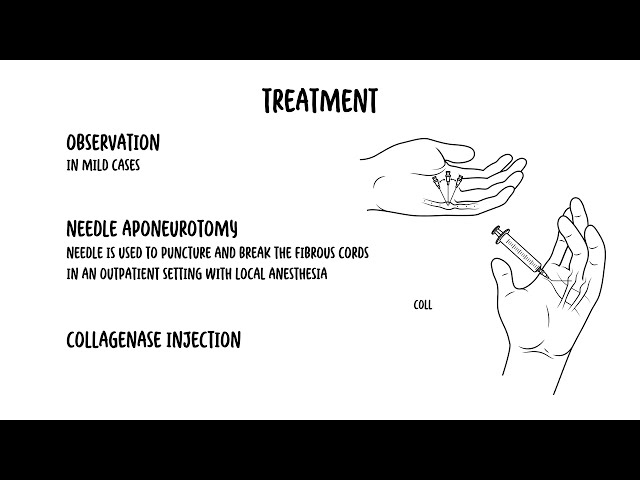
Dupuytren's Contracture
Learn about Dupuytren's contracture, a condition characterized by thickening and shortening of the palmar fascia leading to finger flexion deformities. This video explains its causes, risk factors, progression, and available treatment options including surgical and non-surgical approaches.
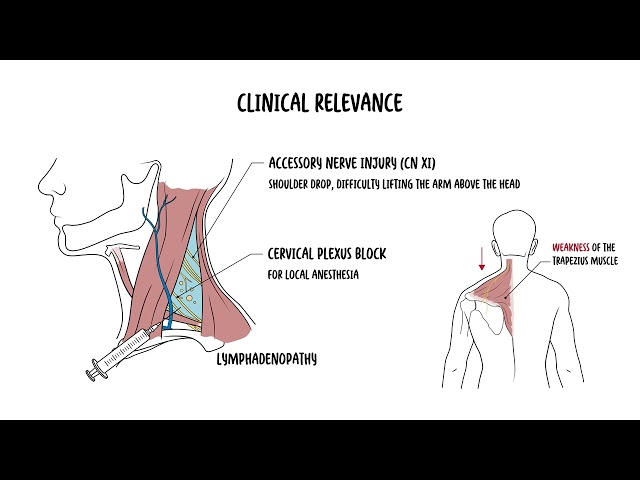
Posterior Triangle of the neck—Boundaries, Contents, Nerve Blocks & Surgical Landmarks
Explore the posterior triangle of the neck—its borders, subdivisions, key nerves and vessels, and critical clinical implications. In this concise anatomy video you’ll learn the precise boundaries of the posterior triangle (sternocleidomastoid, trapezius, clavicle), how the omohyoid divides it into the occipital and subclavian (omoclavicular) triangles, and which structures lie within each region. Discover the…
Our mission
Medical science is complex. Understanding it should feel possible.
Armando Hasudungan turns difficult medical science into clear visual explanations and connected learning experiences—so learners can see the whole picture, remember what matters and find a clearer way forward.
See it clearly
Turn abstract processes and invisible relationships into something the learner can picture.
Connect the pieces
Build understanding around how concepts fit together—not a pile of isolated facts.
Make it useful
Help learners move from explanation to recall, revision and the next logical step.
What clarity feels like
When the topic stops being a blur.
Learners do not come back because the subject became easy. They come back because the explanation gave them a picture they could work with.
“Armando's teaching style gives me the foundational knowledge.
Jessica Payne-Burnett
Medical Student, Charles Sturt University
“The notes I make during his videos help me retain everything better.
Ayesha RaiStudent, Islamabad Medical and Dental College
“The drawings are amazing and super easy to remember.
Reem Mohamed Khair Abdalrazig
Student, Neelain University
Coming soon: the AH study platform
The explanation is only the start.
The free library helps you find a clear explanation. The AH platform is being built to help you connect the resources, follow a clearer path and check what actually stuck.
- Watch in a focused, ad-free study environment.
- Move between connected videos, notes, diagrams and questions.
- Know what belongs next instead of rebuilding the study path yourself.
- Test your understanding while the topic is still fresh.
New and worth a look
Keep building the picture.
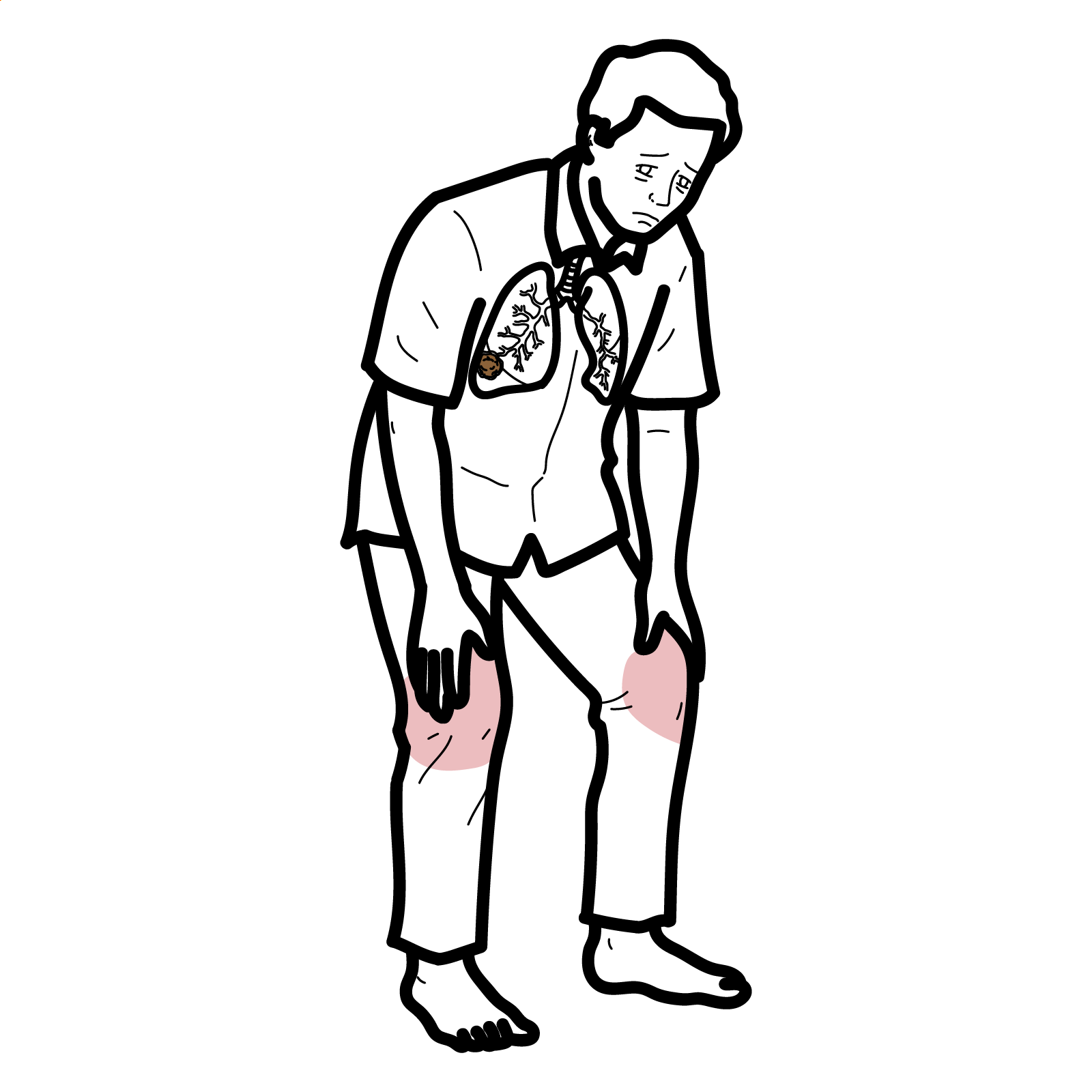
Lambert-Eaton Myasthenic Syndrome
Overview Lambert–Eaton myasthenic syndrome (LEMS) is a rare autoimmune disorder of the presynaptic neuromuscular junction. It causes impaired acetylcholine release, producing the characteristic triad of proximal muscle weakness, reduced reflexes and autonomic dysfunction. LEMS may occur as a paraneoplastic syndrome—most commonly associated with small-cell lung cancer (SCLC)—or as a non-tumour-associated autoimmune disorder. Neuromuscular junction: connection…
View this topic ↗About Visualising Medicine
Good education does not remove complexity. It makes complexity feel simple.
Visualising Medicine is the team behind Armando Hasudungan. We bring together medicine, illustration, writing and technology to make difficult ideas clearer—and build better ways for learners to use them.