

Visual explanationFree resource
Visual medical education by Armando Hasudungan
Medical science, drawn into focus.
Explore visual explanations that reveal how the facts, processes and clinical patterns fit together—then discover the coming AH study platform, built to guide what you study next and check what stuck.
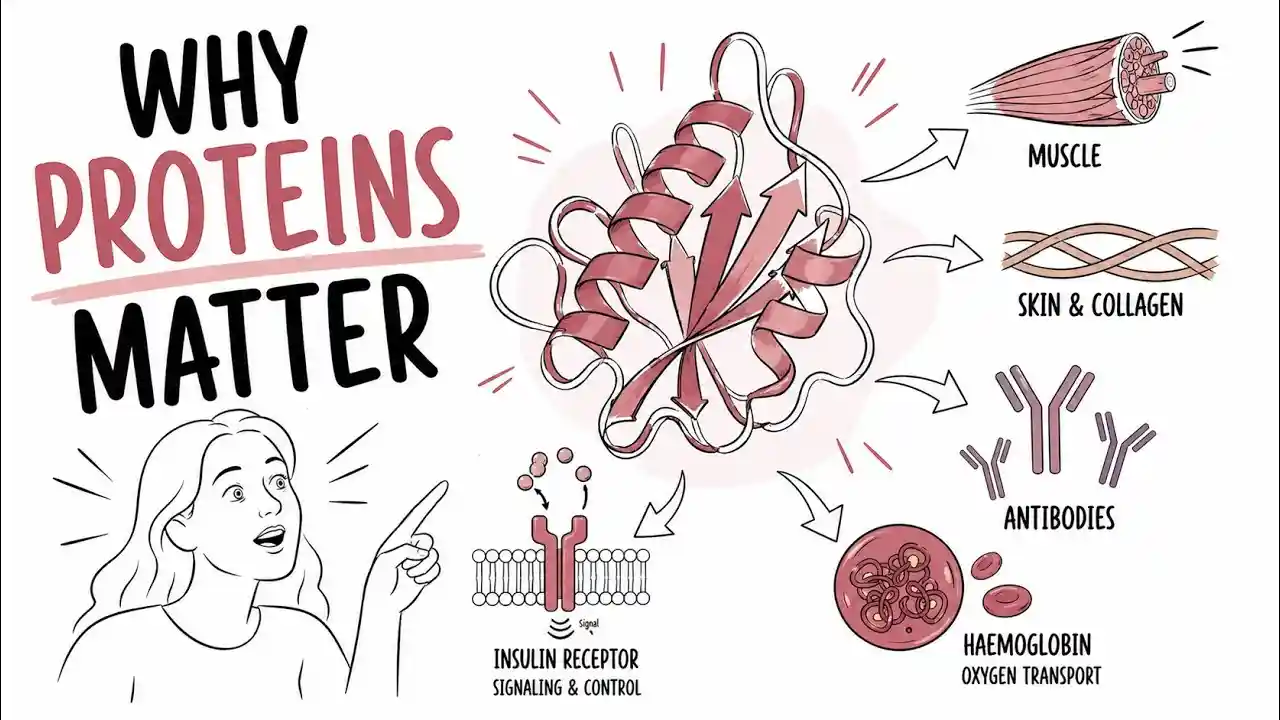
Connected studyComing soon
Clear visual explanations used by medical and allied-health learners around the world.
Explore the free library
Start with the topic in front of you.
Browse by subject or jump straight into the explanation you need. No account required.
Umbilical and Epigastric Hernia
Overview Umbilical and Epigastric hernias are types of Primary Ventral abdominal wall hernias. Epigastric hernias are two to three times more common in men. Umbilical hernias are three times more likely in females. Most epigastric hernias contain preperitoneal fat, while most umbilical hernias contain omentum or bowel. These hernias are usually asymptomatic unless incarcerated, obstructed…
View topic ↗Parkinson's Disease
Overview Parkinson’s disease is a progressive neurodegenerative disorder characterised by tremor, rigidity, bradykinesia, and a wide spectrum of non-motor symptoms including sleep disorders, hyposmia, bladder and bowel dysfunction, fatigue, dementia, and other neuropsychiatric symptom. Although the disease has no cure, available treatments effectively control motor symptoms and improve quality of life. Parkinson disease affects approximately 1…
View topic ↗Benign Prostatic Hyperplasia
Overview Benign prostatic hyperplasia (BPH) is a non-malignant enlargement of the prostate gland. There is an increase in stromal and glandular components. Anatomy The prostate is an male organ that sits inferior to the bladder and surrounds the first part of the urethra. It is oval shaped and approximately 4cm thick. The prostate gland is…
View topic ↗Cerebral Palsy
Overview Cerebral palsy is a non-Progressive neurological disorder. Usually with significant motor component. Clinical presentation overtime changes due to increased developmental challenges.Cerebral palsy (CP) is the most common physical disability in childhood. Prevalence is about 1 – 3/ 1000 live births. Cerebral palsy can affect: Cerebral cortex – causing spasticity Basal ganglia – causing dyskinesia…
View topic ↗Acute Lymphoblastic Leukaemia
Overview Acute Lymphoblastic Leukaemia (ALL) is a malignancy of lymphoid cells. The two main ALL is T-cells ALL and B-cells ALL. In ALL there is uncontrolled proliferation of immature lymphoblasts in the bone marrow leading to overcrowding affecting other cell lineage. It is the commonest cancer in childhood, rare in adults and has a strong associated with…
View topic ↗Psoriatic Arthritis
Overview Psoriatic arthritis (PsA) is a chronic, immune-mediated inflammatory arthritis associated with psoriasis, affecting up to 30% of patients with skin psoriasis. It commonly presents in adults aged 30–50 years, with equal gender distribution. The disease is highly variable, involving peripheral joints, axial skeleton, entheses, and skin/nails. Delay in diagnosis is common and can result…
View topic ↗Behçet’s Disease
Overview Behçet’s syndrome is a chronic, relapsing, multisystem inflammatory disorder and variable-vessel vasculitis characterized classically by recurrent oral ulcers, genital ulcers, ocular inflammation, and skin lesions. It can also involve the joints, vessels, nervous system, and gastrointestinal tract. The disease is most prevalent along the historic “Silk Road” region, including Turkey, the Middle East, and…
View topic ↗Full resource library
Browse all topics ↗Choose how you learn
One idea. More than one way to see it.
Use the format that helps the topic click, then switch formats when you need to reinforce it.
01 / WATCH02 / READ03 / SEE04 / CHECK
Videos
Hand-drawn explanations that build the big picture as the concept unfolds.
Notes
Clear written explanations for review, reference and filling in the details.
Diagrams
Visual snapshots that help you easily review topics.
Questions
Test whether the explanation stayed with you—not just whether it looked familiar.
Good places to begin
Explanations learners return to.

Mental Health
Explore the fundamentals of mental health, including its impact on emotional, psychological, and social well-being. This video discusses common mental health conditions, factors that influence mental wellness, and the importance of early recognition and support.
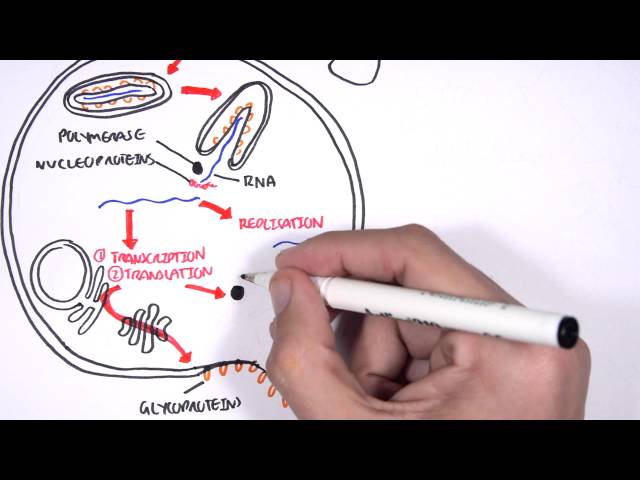
Ebola Virus
Learn about the Ebola virus, its structure, modes of transmission, and how it causes severe hemorrhagic fever in humans. This video explains the virus’s life cycle, pathogenesis, and key strategies for diagnosis, containment, and prevention.
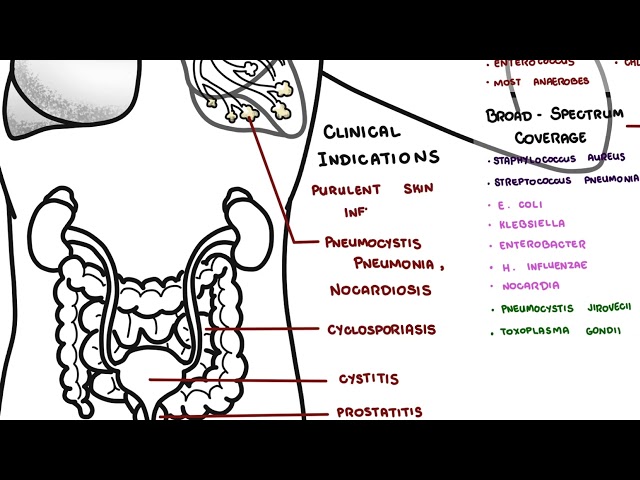
Bactrim (Trimethoprim–Sulfamethoxazole) Explained: Uses, Side Effects, Mechanism of Action
Bactrim (co-trimoxazole) is a fixed-dose combination of trimethoprim and sulfamethoxazole that works through sequential inhibition of bacterial folate synthesis, producing synergistic bactericidal activity and broad-spectrum antimicrobial coverage. This video explains the mechanism of action in detail, including inhibition of dihydropteroate synthase and dihydrofolate reductase, and how disruption of folate metabolism impairs bacterial DNA and RNA…
Our mission
Medical science is complex. Understanding it should feel possible.
Armando Hasudungan turns difficult medical science into clear visual explanations and connected learning experiences—so learners can see the whole picture, remember what matters and find a clearer way forward.
See it clearly
Turn abstract processes and invisible relationships into something the learner can picture.
Connect the pieces
Build understanding around how concepts fit together—not a pile of isolated facts.
Make it useful
Help learners move from explanation to recall, revision and the next logical step.
What clarity feels like
When the topic stops being a blur.
Learners do not come back because the subject became easy. They come back because the explanation gave them a picture they could work with.
“Armando's teaching style gives me the foundational knowledge.
Jessica Payne-Burnett
Medical Student, Charles Sturt University
“The notes I make during his videos help me retain everything better.
Ayesha RaiStudent, Islamabad Medical and Dental College
“The drawings are amazing and super easy to remember.
Reem Mohamed Khair Abdalrazig
Student, Neelain University
Coming soon: the AH study platform
The explanation is only the start.
The free library helps you find a clear explanation. The AH platform is being built to help you connect the resources, follow a clearer path and check what actually stuck.
- Watch in a focused, ad-free study environment.
- Move between connected videos, notes, diagrams and questions.
- Know what belongs next instead of rebuilding the study path yourself.
- Test your understanding while the topic is still fresh.
New and worth a look
Keep building the picture.
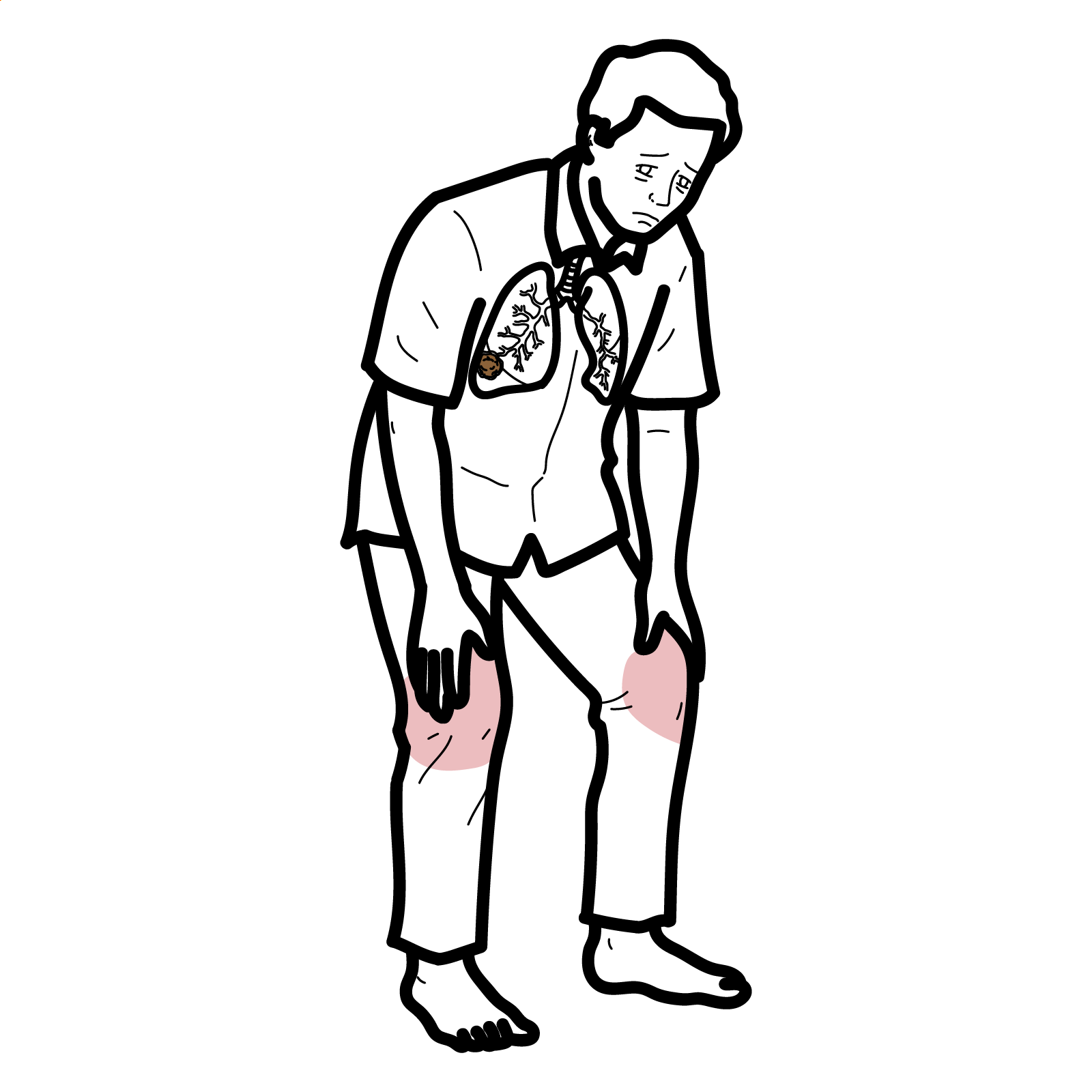
Lambert-Eaton Myasthenic Syndrome
Overview Lambert–Eaton myasthenic syndrome (LEMS) is a rare autoimmune disorder of the presynaptic neuromuscular junction. It causes impaired acetylcholine release, producing the characteristic triad of proximal muscle weakness, reduced reflexes and autonomic dysfunction. LEMS may occur as a paraneoplastic syndrome—most commonly associated with small-cell lung cancer (SCLC)—or as a non-tumour-associated autoimmune disorder. Neuromuscular junction: connection…
View this topic ↗About Visualising Medicine
Good education does not remove complexity. It makes complexity feel simple.
Visualising Medicine is the team behind Armando Hasudungan. We bring together medicine, illustration, writing and technology to make difficult ideas clearer—and build better ways for learners to use them.