

Visual explanationFree resource
Visual medical education by Armando Hasudungan
Medical science, drawn into focus.
Explore visual explanations that reveal how the facts, processes and clinical patterns fit together—then discover the coming AH study platform, built to guide what you study next and check what stuck.
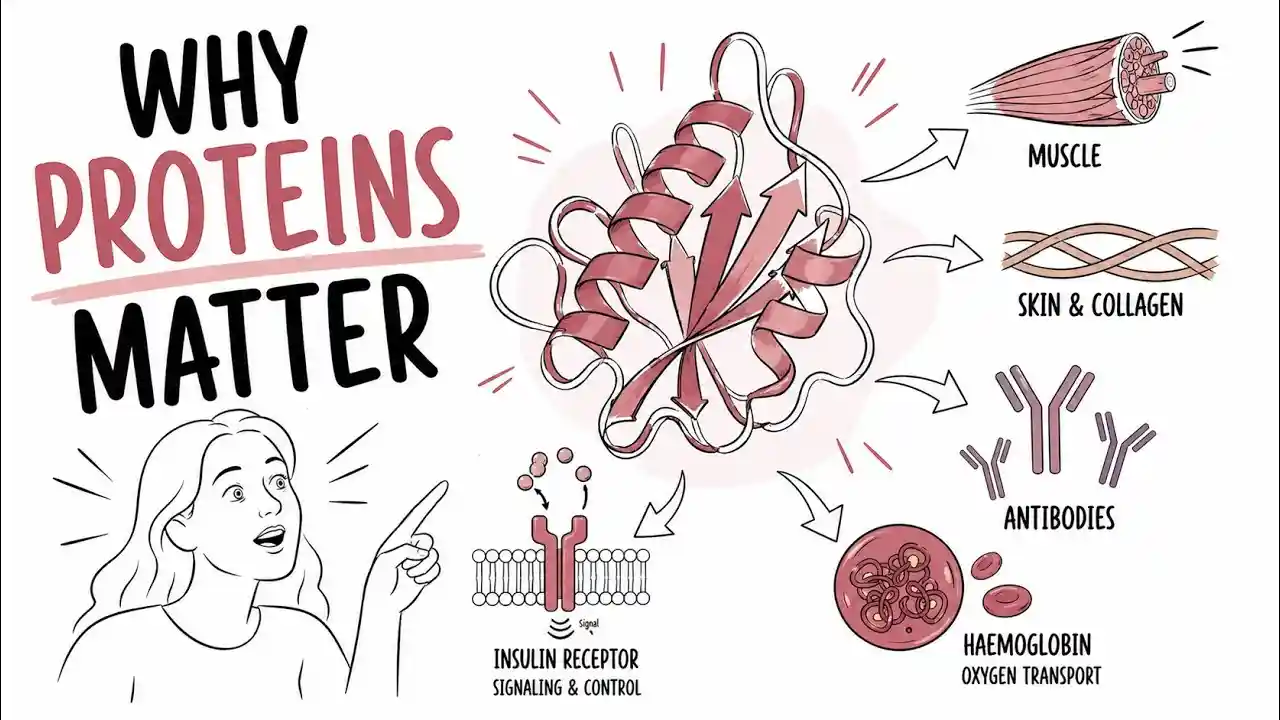
Connected studyComing soon
Clear visual explanations used by medical and allied-health learners around the world.
Explore the free library
Start with the topic in front of you.
Browse by subject or jump straight into the explanation you need. No account required.

Long-Term Complications of Diabetes (Overview)
Overview Classification Microvascular Complications Retinopathy Nephropathy Neuropathy Macrovascular Complications Coronary heart disease Cerebrovascular disease Diabetic foot Diabetic Retinopathy Overview Diabetes is the most common cause of blindness in the working population. Blindness is preventable. Annual retinal screening is advised for patients at risk. Pre-symptomatic screening enables laser photocoagulation to be used, aimed to stop production of…
View topic ↗
Urinary Tract Infection (Children)
Overview Urinary Tract infections (UTIs) in children are common and usually carry low risk. UTIs are often non-specific and can not be diagnosed on symptoms alone. A clean specimen (urine) is required for the diagnosis of UTI. Any child who is unwell, and most children under 6 months, should be admitted for IV antibiotics. The…
View topic ↗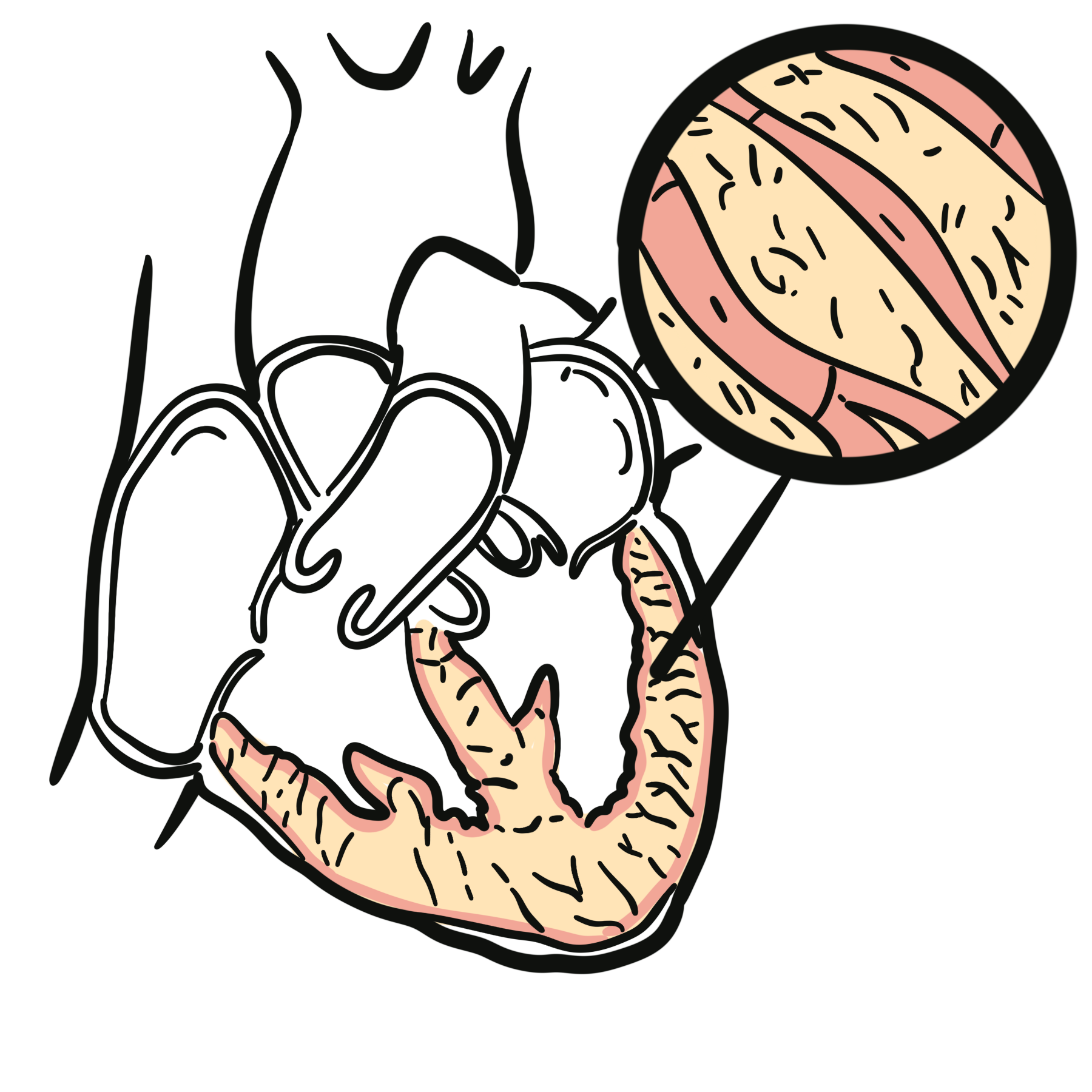
Cardiac Amyloidosis
Overview Cardiac amyloidosis is an infiltrative cardiomyopathy caused by extracellular deposition of misfolded protein fibrils within the myocardium, conduction system, valves and intramyocardial vessels. Progressive amyloid accumulation increases ventricular wall thickness and stiffness, producing restrictive physiology, heart failure, arrhythmias and conduction disease. 1,2 More than 98% of clinically recognised cardiac amyloidosis is caused by either:…
View topic ↗
Hypertension
Overview Hypertension is defined as BP ≥140/90 mmHg. Hypertension can be divided into Primary or Secondary. The main goal of treatment is to decrease the risk of mortality and of cardiovascular and renal morbidity. Hypertension Overview Classification Systole Normal 120-129 High-normal 130-139 Hypertension Grade I 140-159 Hypertension Grade II 160-179 Hypertension Grade III >180 The mean arterial pressure…
View topic ↗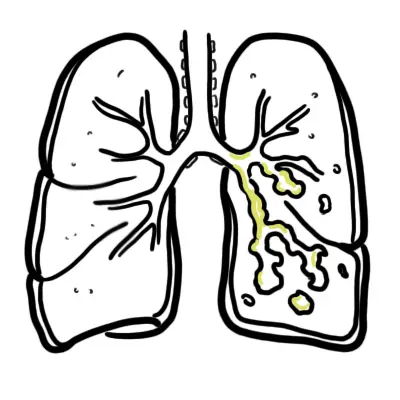
Bronchiectasis
Overview Bronchiectasis was a common disabling and fatal condition in the pre-antibiotic era and remains more common in medically underserved regions of the world. Irreversible dilatation of airways due to in ammatory destruction of airway walls resulting from persistently infected mucus. Bronchiectasis usually affects medium sized airways Bronchiectasis: Bronchiectasis is the permanent dilation of bronchi…
View topic ↗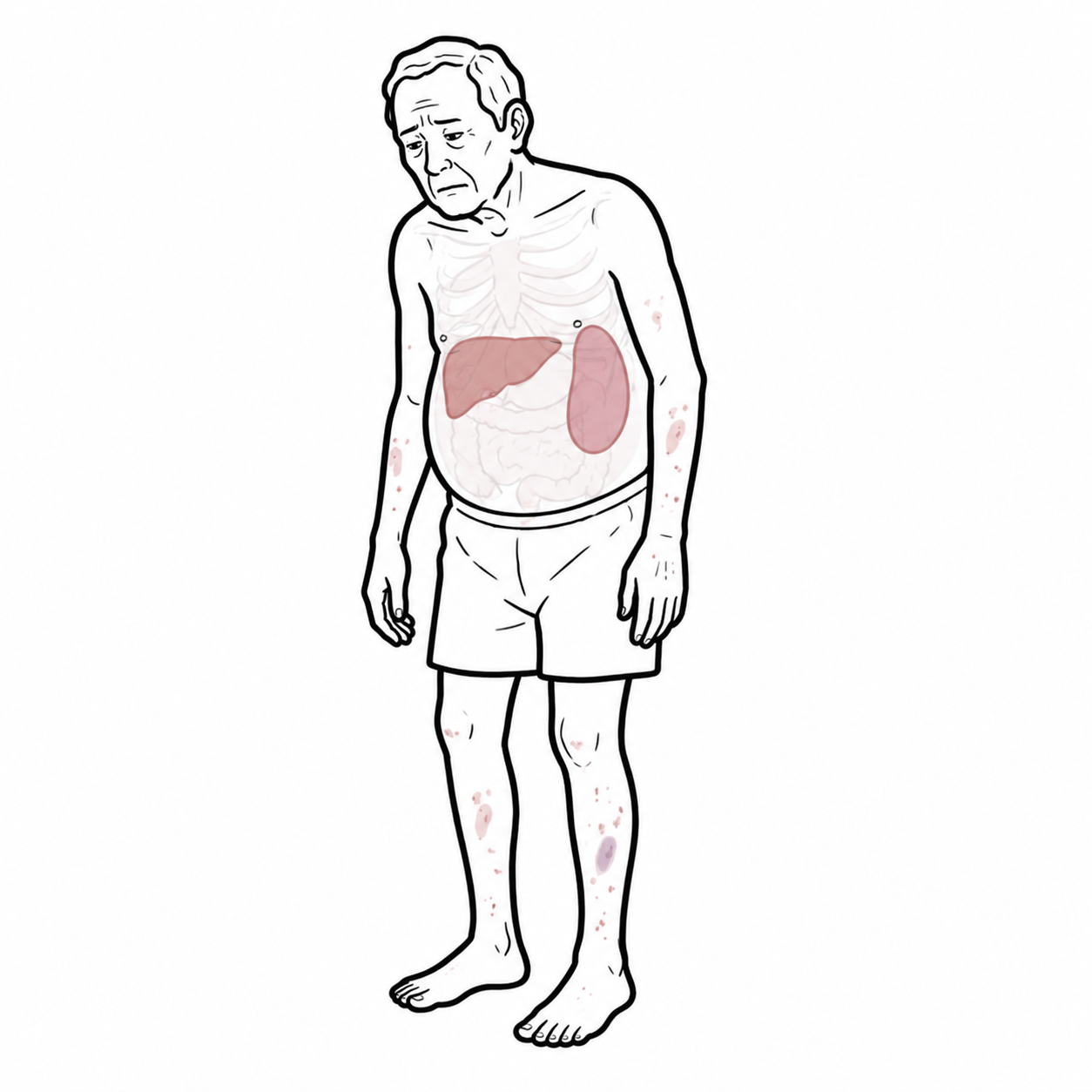
Myelofibrosis
Overview Myelofibrosis is a type of myeloproliferative diseasecharacterized by clonal myeloid expansion, followed by progressive fibrous connective tissue deposition in the bone marrow, resulting in bone marrow failure. Clonal evolution can also occur, with an increased risk of transformation to acute myeloid leukemia. In addition, disabling constitutional symptoms secondary to the high circulating levels of…
View topic ↗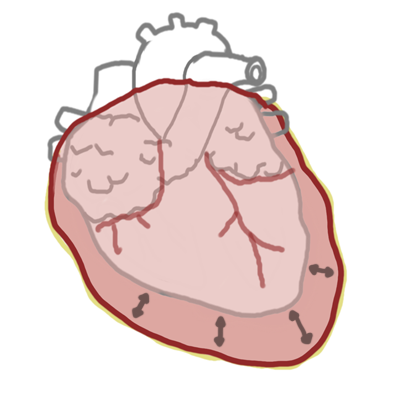
Cardiac Tamponade
Overview Cardiac tamponade is a life-threatening cardiovascular emergency caused by the accumulation of fluid, blood, pus, or gas within the pericardial sac. This accumulation causes a critical elevation in intrapericardial pressure that exceeds normal cardiac diastolic filling pressures, resulting in compression of the heart chambers, severely impaired diastolic filling, reduced stroke volume, and cardiac output…
View topic ↗Full resource library
Browse all topics ↗Choose how you learn
One idea. More than one way to see it.
Use the format that helps the topic click, then switch formats when you need to reinforce it.
01 / WATCH02 / READ03 / SEE04 / CHECK
Videos
Hand-drawn explanations that build the big picture as the concept unfolds.
Notes
Clear written explanations for review, reference and filling in the details.
Diagrams
Visual snapshots that help you easily review topics.
Questions
Test whether the explanation stayed with you—not just whether it looked familiar.
Good places to begin
Explanations learners return to.
Neurodegenerative Disorder II – Parkinson's and Huntington's
Dive into Neurodegenerative Disorders Part II as we explore the pathophysiology, clinical features, and treatment of Parkinson’s and Huntington’s disease. This video is perfect for exams, offering clear explanations on basal ganglia circuits, neurotransmitter imbalances, and genetic mechanisms.
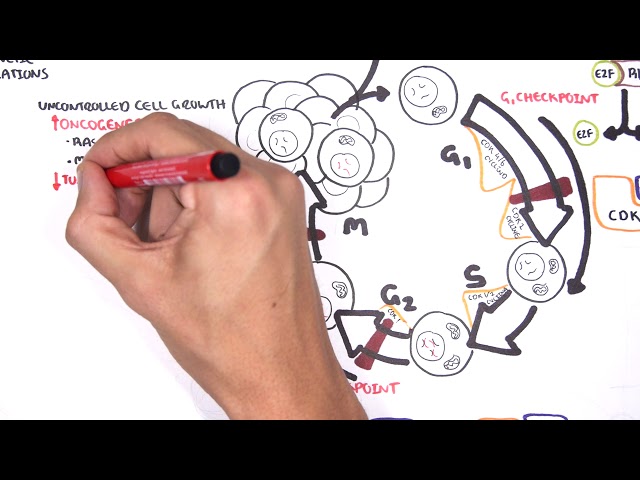
Oncogenetics – Mechanism of Cancer (tumor suppressor genes and oncogenes)
Explore how genetic mutations in tumor suppressor genes and oncogenes drive the development of cancer. This video breaks down key molecular pathways in oncogenesis, helping you understand the genetic basis of cancer formation and progression.
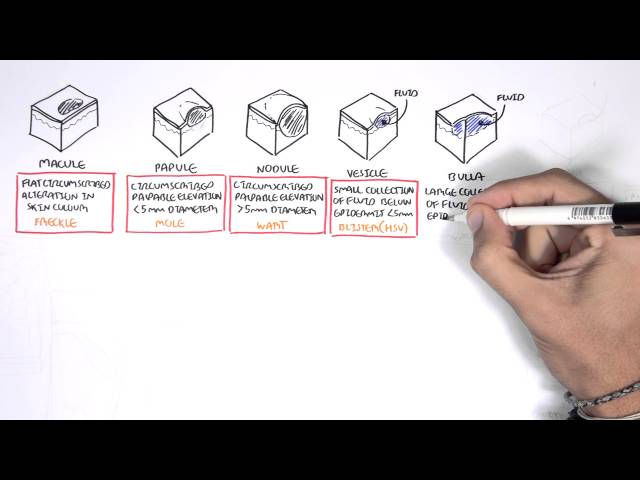
Dermatology – Lesion Terminology
Master the key dermatological terms used to describe skin lesions, including macules, papules, plaques, and more. This video simplifies lesion classification to enhance clinical recognition and diagnosis accuracy.
Our mission
Medical science is complex. Understanding it should feel possible.
Armando Hasudungan turns difficult medical science into clear visual explanations and connected learning experiences—so learners can see the whole picture, remember what matters and find a clearer way forward.
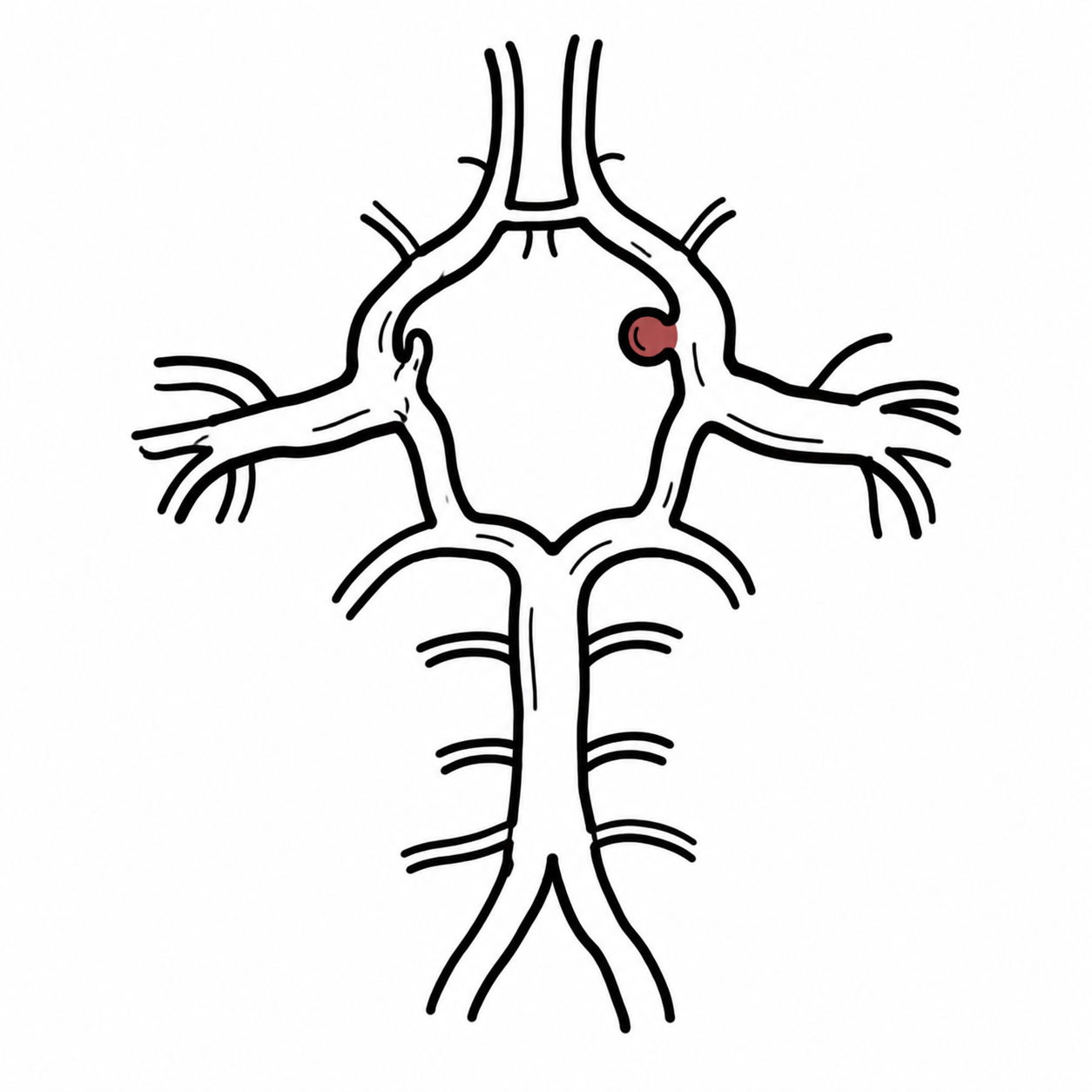
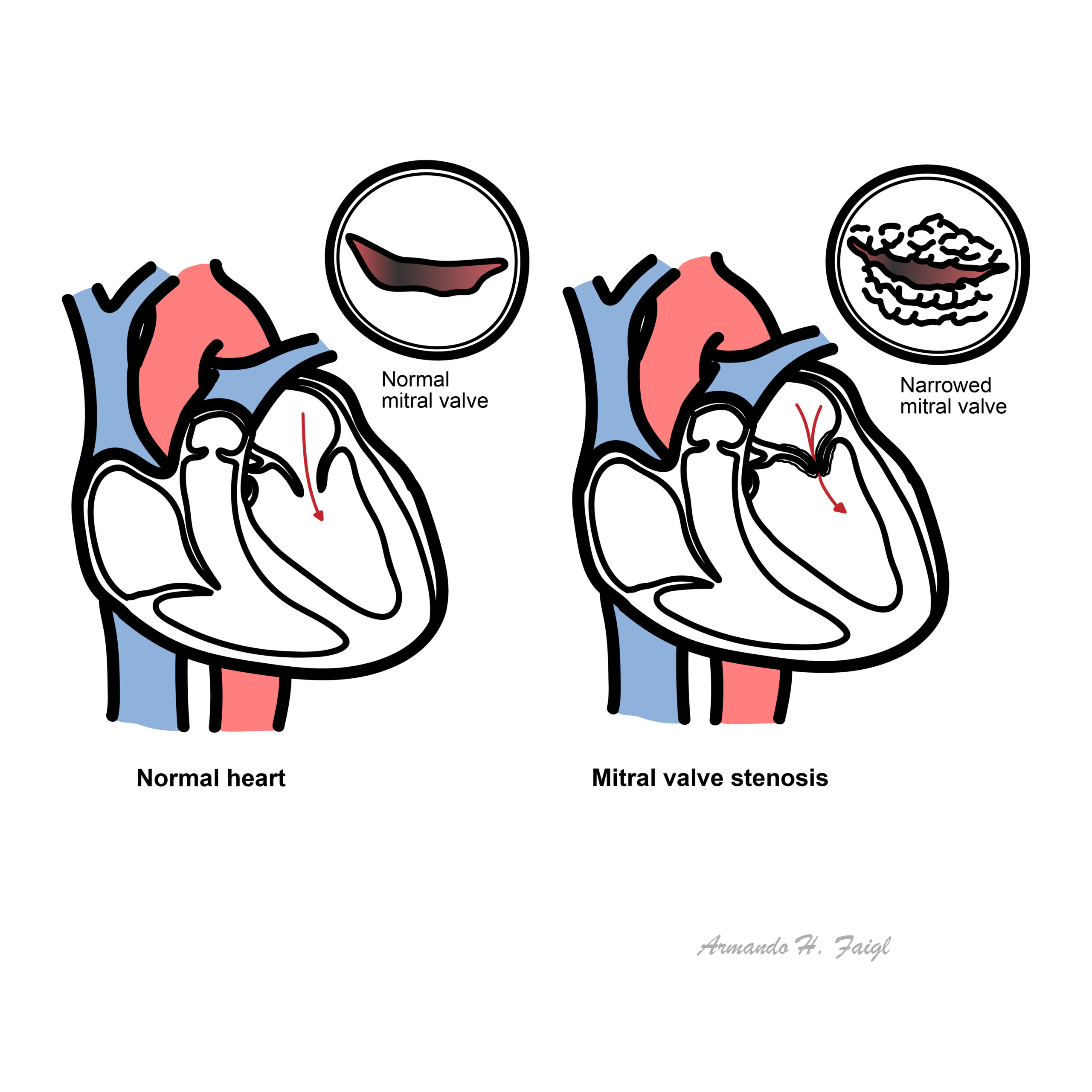
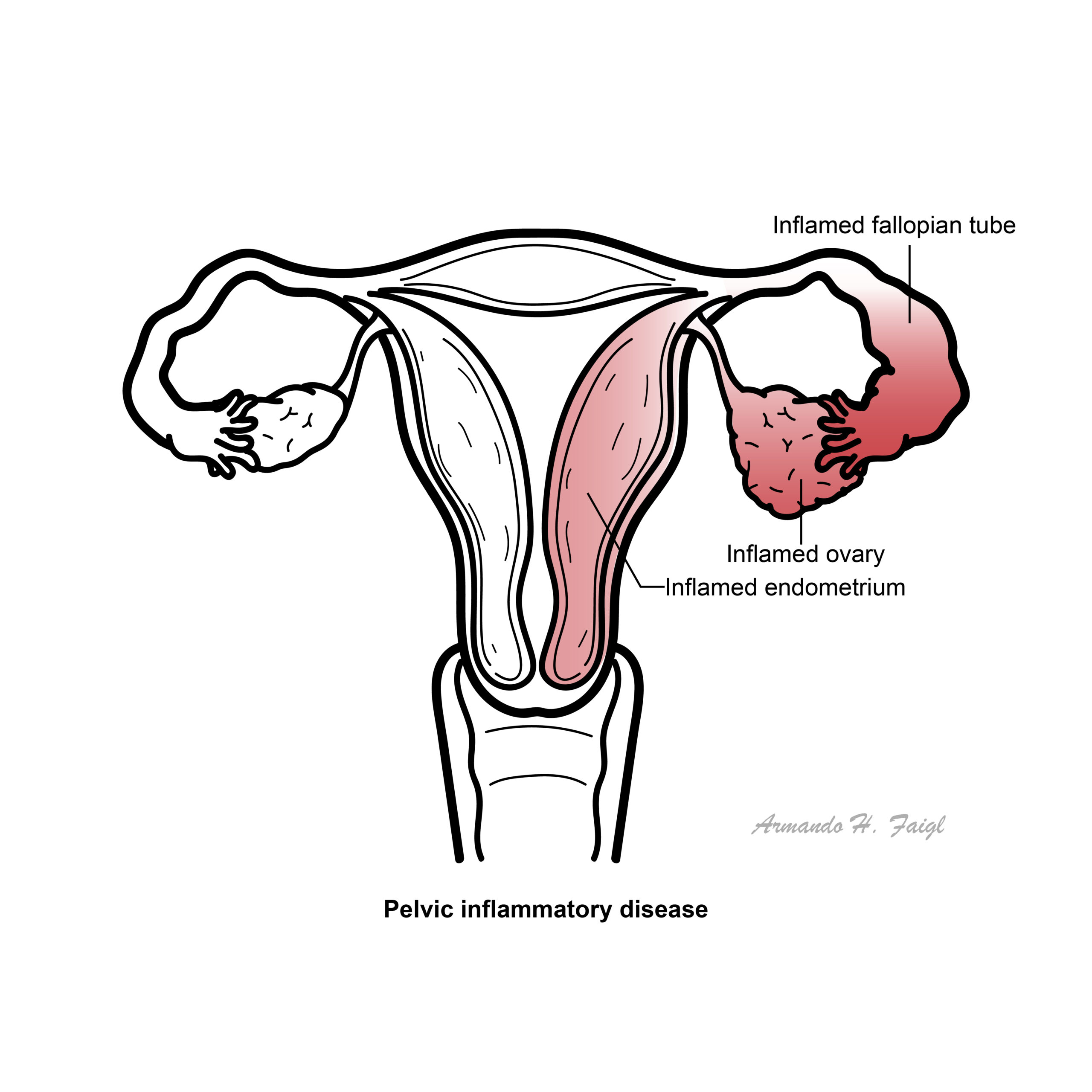
See it clearly
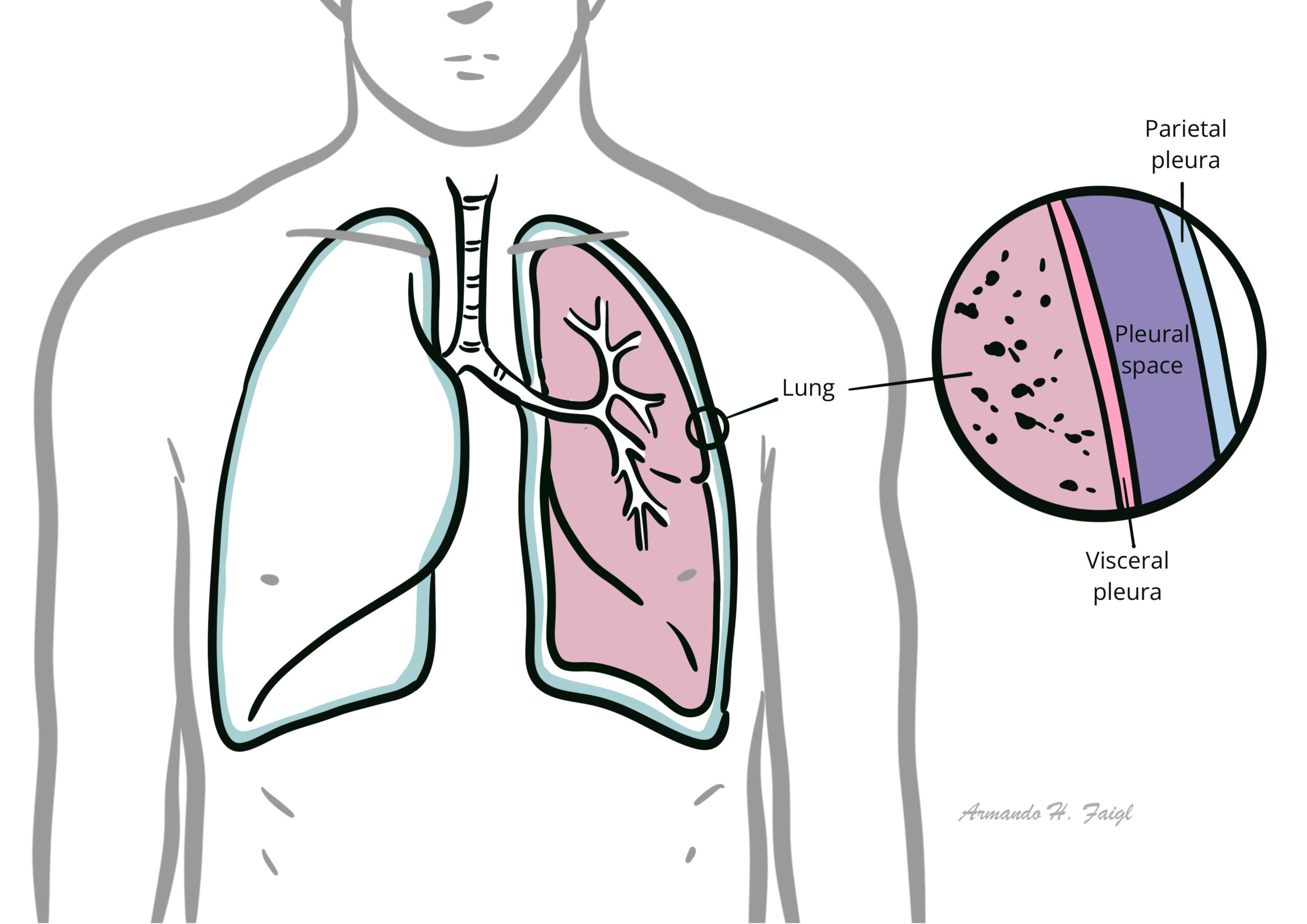
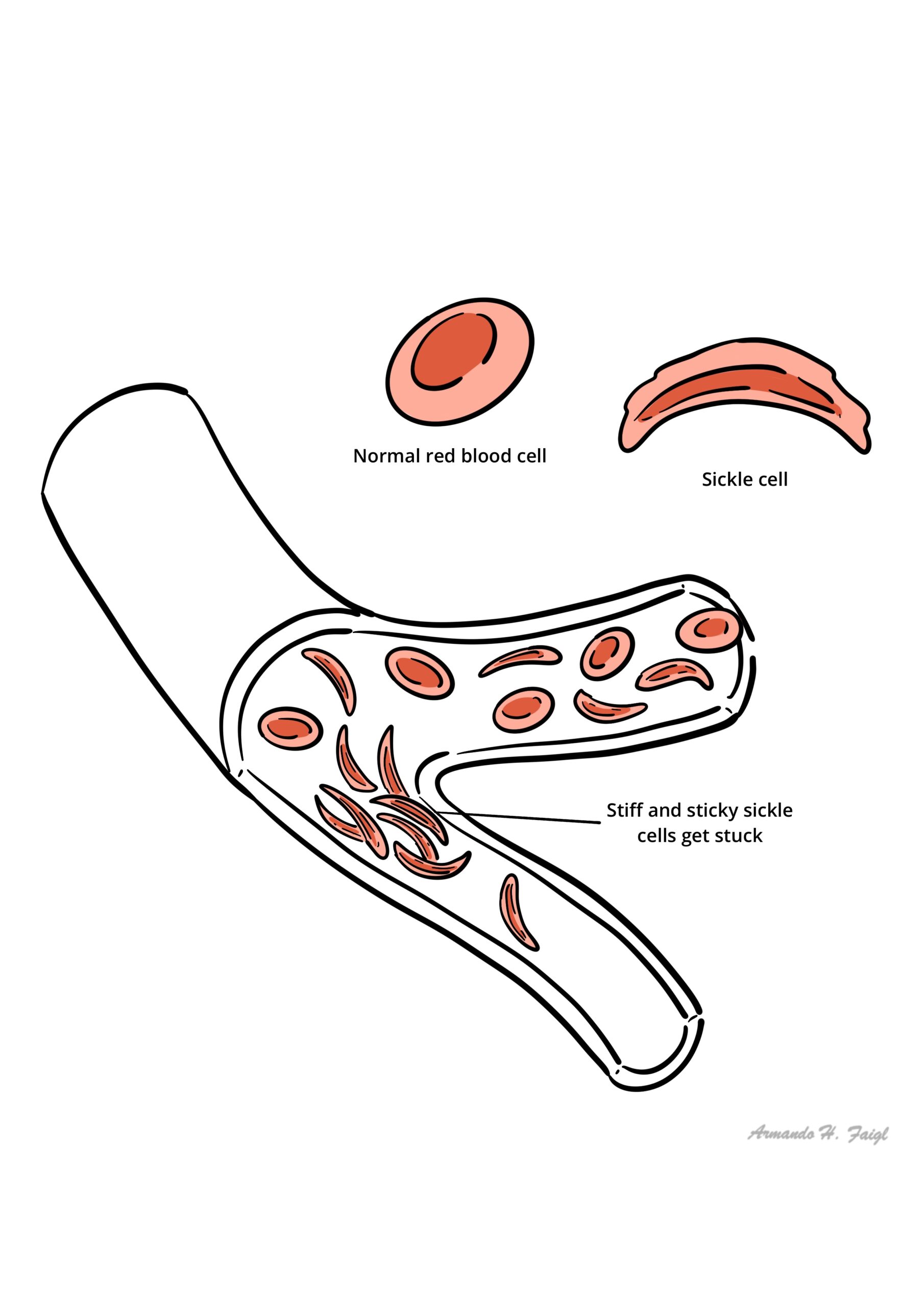
Turn abstract processes and invisible relationships into something the learner can picture.
Connect the pieces
Build understanding around how concepts fit together—not a pile of isolated facts.
Make it useful
Help learners move from explanation to recall, revision and the next logical step.
What clarity feels like
When the topic stops being a blur.
Learners do not come back because the subject became easy. They come back because the explanation gave them a picture they could work with.
“Armando's teaching style gives me the foundational knowledge.
Jessica Payne-Burnett
Medical Student, Charles Sturt University
“The notes I make during his videos help me retain everything better.
Ayesha RaiStudent, Islamabad Medical and Dental College
“The drawings are amazing and super easy to remember.
Reem Mohamed Khair Abdalrazig
Student, Neelain University
Coming soon: the AH study platform
The explanation is only the start.
The free library helps you find a clear explanation. The AH platform is being built to help you connect the resources, follow a clearer path and check what actually stuck.
- Watch in a focused, ad-free study environment.
- Move between connected videos, notes, diagrams and questions.
- Know what belongs next instead of rebuilding the study path yourself.
- Test your understanding while the topic is still fresh.
New and worth a look
Keep building the picture.

Cervical Radiculopathy
Overview Cervical radiculopathy is dysfunction of a cervical nerve root caused by irritation or compression as it leaves the spine. It commonly produces pain radiating from the neck into one arm, sometimes with paraesthesia, numbness, weakness or altered reflexes. A disc herniation or degenerative narrowing of the neural foramen is a common cause. Diagnosis is…
View this topic ↗About Visualising Medicine
Good education does not remove complexity. It makes complexity feel simple.
Visualising Medicine is the team behind Armando Hasudungan. We bring together medicine, illustration, writing and technology to make difficult ideas clearer—and build better ways for learners to use them.