

Visual explanationFree resource
Visual medical education by Armando Hasudungan
Medical science, drawn into focus.
Explore visual explanations that reveal how the facts, processes and clinical patterns fit together—then discover the coming AH study platform, built to guide what you study next and check what stuck.
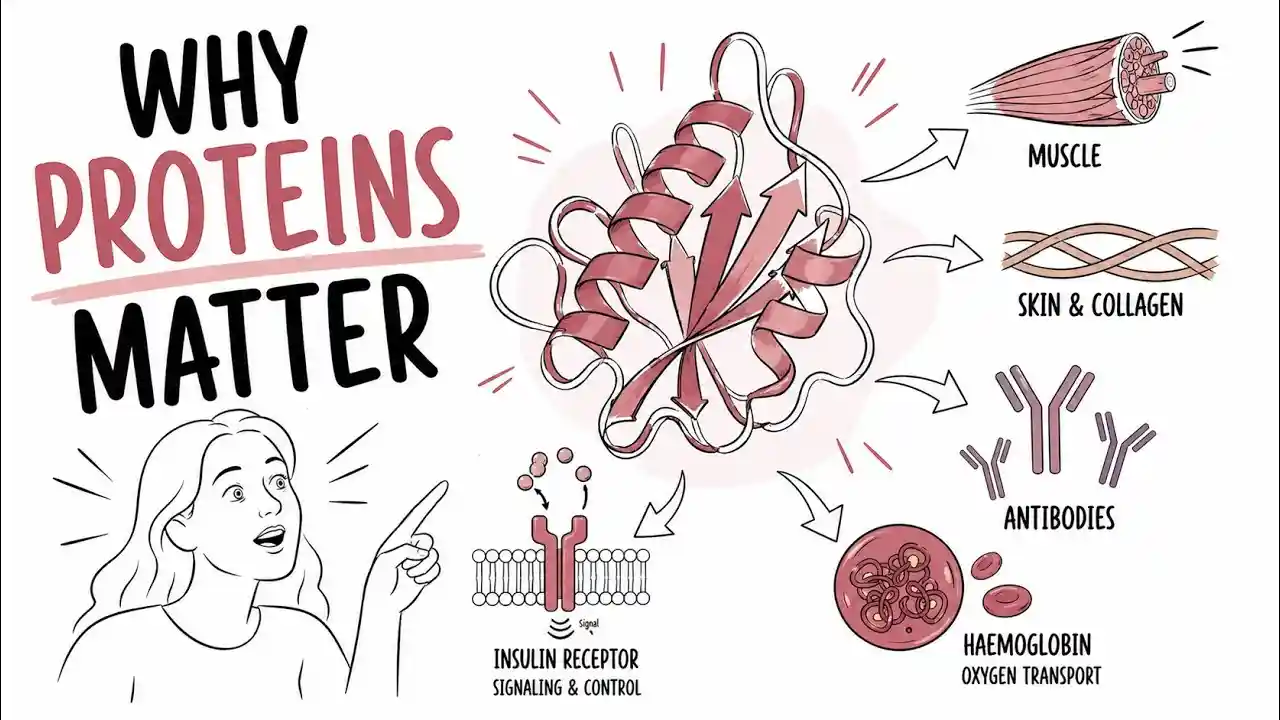
Connected studyComing soon
Clear visual explanations used by medical and allied-health learners around the world.
Explore the free library
Start with the topic in front of you.
Browse by subject or jump straight into the explanation you need. No account required.
Urinary Tract Infection
Overview Infection of the urinary tract is common and more so in women (due to shorter urethra and hormonal changes). UTIs may be classified as either a lower (Cystitis, urethritis and Prostatitis) or upper UTI (pyelonephritis). The main causative agents are bacteria such as E-coli. A lower UTI can progress to an upper UTI causing systemic symptoms…
View topic ↗Adult onset Still's Disease
Overview Adult Onset Still’s Disease (AOSD) is a complex multisystemic autoinflammatory disease characterised by recurrent episodes of spiking fever (> 39–40°C), pink–salmon transient skin rash, and the presence of arthralgia or polyarthritis. First described by Eric Bywaters in 1971 it closely resembles systemic onset juvenile idiopathic arthritis (Still’s disease). retrospective observational study in Japan found…
View topic ↗Liver Abscess
Author Areej Zeeshan Ahmed Dr. Armando Faigl (editor) Overview Collection of pus forming a mass in the liver as a result of infection. Mainly divided into two types Pyogenic Amoebic Route of infection Biliary tract (most common) Gallstones Cholangitis Congenital anomaly causing to bile stasis Portal Vein Peritonitis Hepatic artery Trauma Penetrating Non-penetrating can cause…
View topic ↗Chagas Disease
Authors Megan Miner Armando Faigl Overview Chagas disease is caused by the parasitic protozoan Trypanosoma cruzi (T. cruzi) and is potentially life-threatening. These parasites often live within triatomine bugs. Following a bite to the skin, these bugs, also known as “kissing bugs”, deposit fecal matter near the site of the bite. Their bite, unfortunately, causes…
View topic ↗Glomerulonephritis
Overview Glomerulonephritis is inflammation of the glomerulus. Glomerulonephritis is classified by clinical syndrome/presentation (e.g. nephritic or nephrotic syndrome), histological appearance , or by aetiology. We will divide glomerulonephritis broadly into two broad types: Nephritic glomerulonephritis and nephrotic glormerulonephritis. Classification Two Types of Glomerular disease: Nephrotic Syndrome Nephritic Syndrome DIFFERENCE BETWEEN NEPHROTIC AND NEPHRITIS SYNDROME …
View topic ↗Cerebral Palsy
Overview Cerebral palsy is a non-Progressive neurological disorder. Usually with significant motor component. Clinical presentation overtime changes due to increased developmental challenges.Cerebral palsy (CP) is the most common physical disability in childhood. Prevalence is about 1 – 3/ 1000 live births. Cerebral palsy can affect: Cerebral cortex – causing spasticity Basal ganglia – causing dyskinesia…
View topic ↗Asthma in Emergency
Introduction Most asthma deaths occur outside hospital and are: In patients with chronic severe disease In those receiving inadequate medical treatment In those who have been symptomatically deteriorating, and may have already sought medical help Associated with adverse behavioural and psychological factors Asthma Assessment Assess severity and start bronchodilators! Mild-Moderate (maybe admitted to hospital or…
View topic ↗Full resource library
Browse all topics ↗Choose how you learn
One idea. More than one way to see it.
Use the format that helps the topic click, then switch formats when you need to reinforce it.
01 / WATCH02 / READ03 / SEE04 / CHECK
Videos
Hand-drawn explanations that build the big picture as the concept unfolds.
Notes
Clear written explanations for review, reference and filling in the details.
Diagrams
Visual snapshots that help you easily review topics.
Questions
Test whether the explanation stayed with you—not just whether it looked familiar.
Good places to begin
Explanations learners return to.
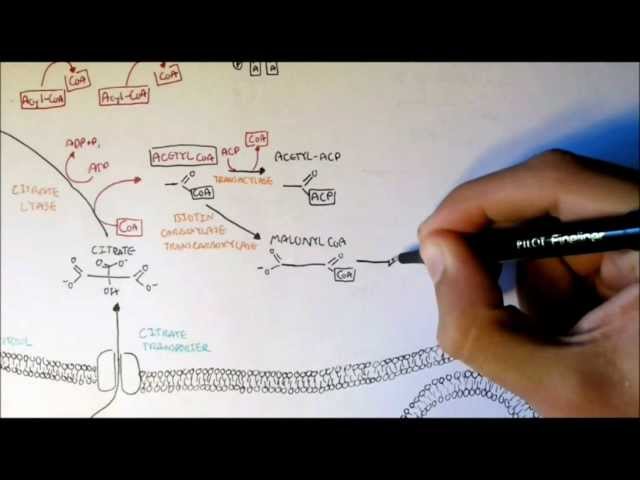
Human Metabolism Map V – Fatty Acid Synthesis
Master the process of Fatty Acid Synthesis in this video from the Human Metabolism Map series, covering key enzymes like ACC and FAS. Understand the regulation, energy requirements, and clinical relevance of lipogenesis—perfect for biochemistry exams and metabolic pathway reviews.
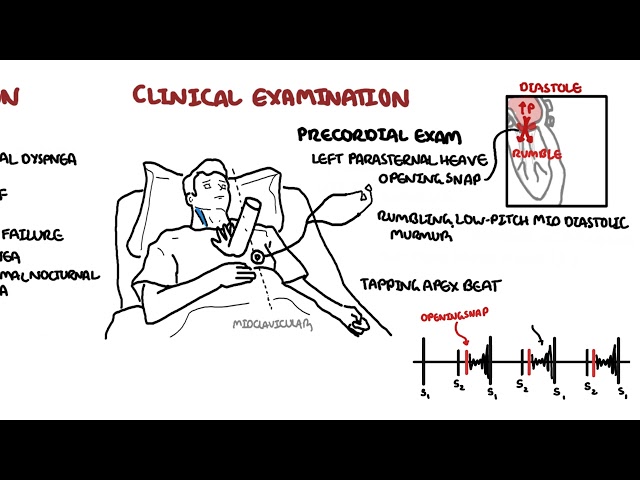
Mitral Stenosis – causes, pathophysiology and treatment
Mitral stenosis is a condition characterized by obstruction of blood flow across the mitral valve from the left atrium to the left ventricle. The mechanical obstruction leads to increases in pressure within the left atrium, pulmonary vasculature, and right side of the heart.
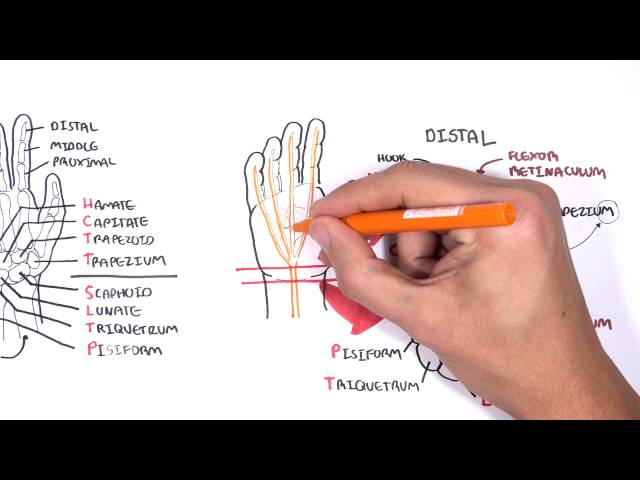
Clinical Anatomy – Hand, Wrist (palmar aspect/flexors)
Learn the detailed clinical anatomy of the hand and wrist, focusing on the palmar aspect, flexor tendons, and neurovascular structures. This video provides essential insights for understanding injuries, surgical landmarks, and hand function.
Our mission
Medical science is complex. Understanding it should feel possible.
Armando Hasudungan turns difficult medical science into clear visual explanations and connected learning experiences—so learners can see the whole picture, remember what matters and find a clearer way forward.
See it clearly
Turn abstract processes and invisible relationships into something the learner can picture.
Connect the pieces
Build understanding around how concepts fit together—not a pile of isolated facts.
Make it useful
Help learners move from explanation to recall, revision and the next logical step.
What clarity feels like
When the topic stops being a blur.
Learners do not come back because the subject became easy. They come back because the explanation gave them a picture they could work with.
“Armando's teaching style gives me the foundational knowledge.
Jessica Payne-Burnett
Medical Student, Charles Sturt University
“The notes I make during his videos help me retain everything better.
Ayesha RaiStudent, Islamabad Medical and Dental College
“The drawings are amazing and super easy to remember.
Reem Mohamed Khair Abdalrazig
Student, Neelain University
Coming soon: the AH study platform
The explanation is only the start.
The free library helps you find a clear explanation. The AH platform is being built to help you connect the resources, follow a clearer path and check what actually stuck.
- Watch in a focused, ad-free study environment.
- Move between connected videos, notes, diagrams and questions.
- Know what belongs next instead of rebuilding the study path yourself.
- Test your understanding while the topic is still fresh.
New and worth a look
Keep building the picture.
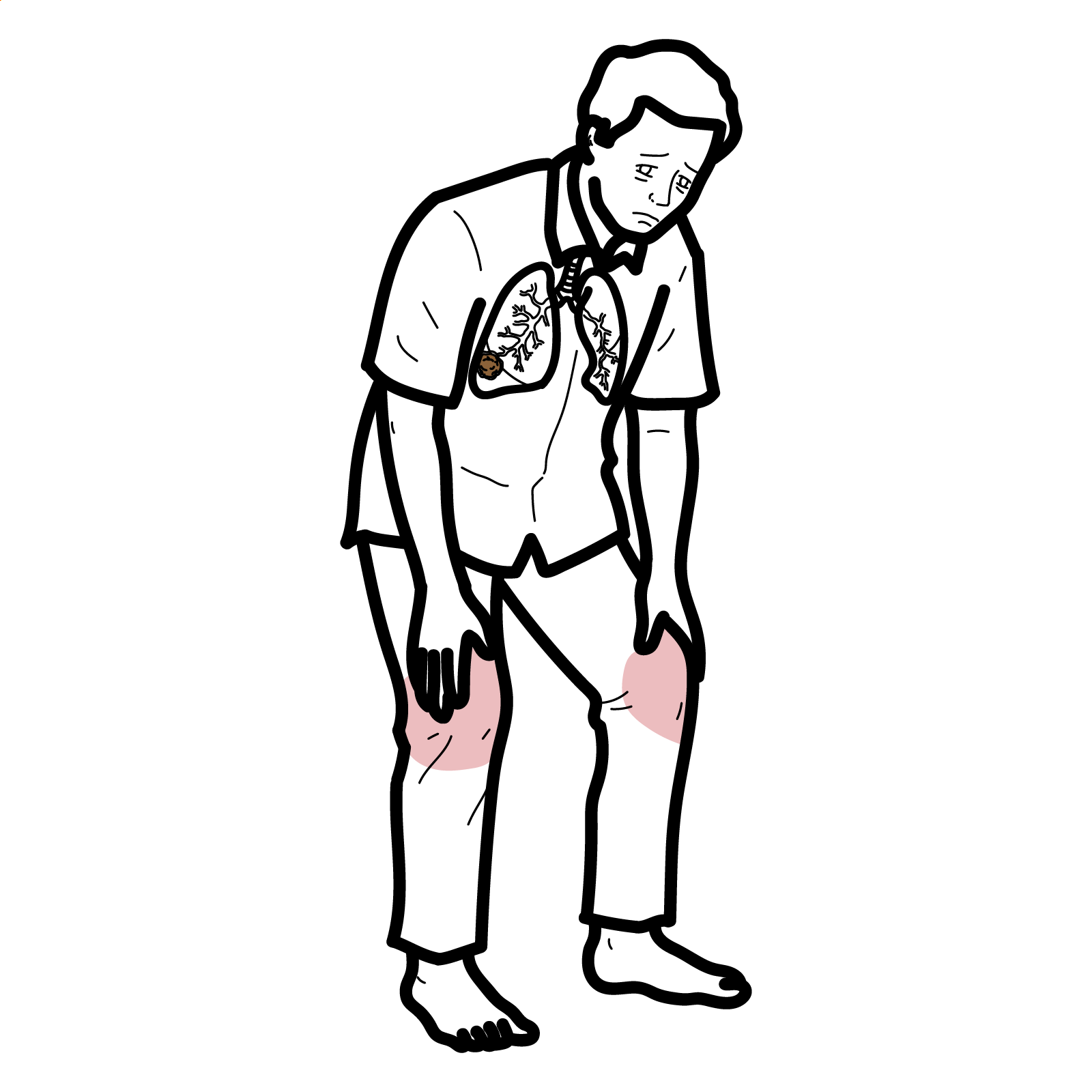
Lambert-Eaton Myasthenic Syndrome
Overview Lambert–Eaton myasthenic syndrome (LEMS) is a rare autoimmune disorder of the presynaptic neuromuscular junction. It causes impaired acetylcholine release, producing the characteristic triad of proximal muscle weakness, reduced reflexes and autonomic dysfunction. LEMS may occur as a paraneoplastic syndrome—most commonly associated with small-cell lung cancer (SCLC)—or as a non-tumour-associated autoimmune disorder. Neuromuscular junction: connection…
View this topic ↗About Visualising Medicine
Good education does not remove complexity. It makes complexity feel simple.
Visualising Medicine is the team behind Armando Hasudungan. We bring together medicine, illustration, writing and technology to make difficult ideas clearer—and build better ways for learners to use them.