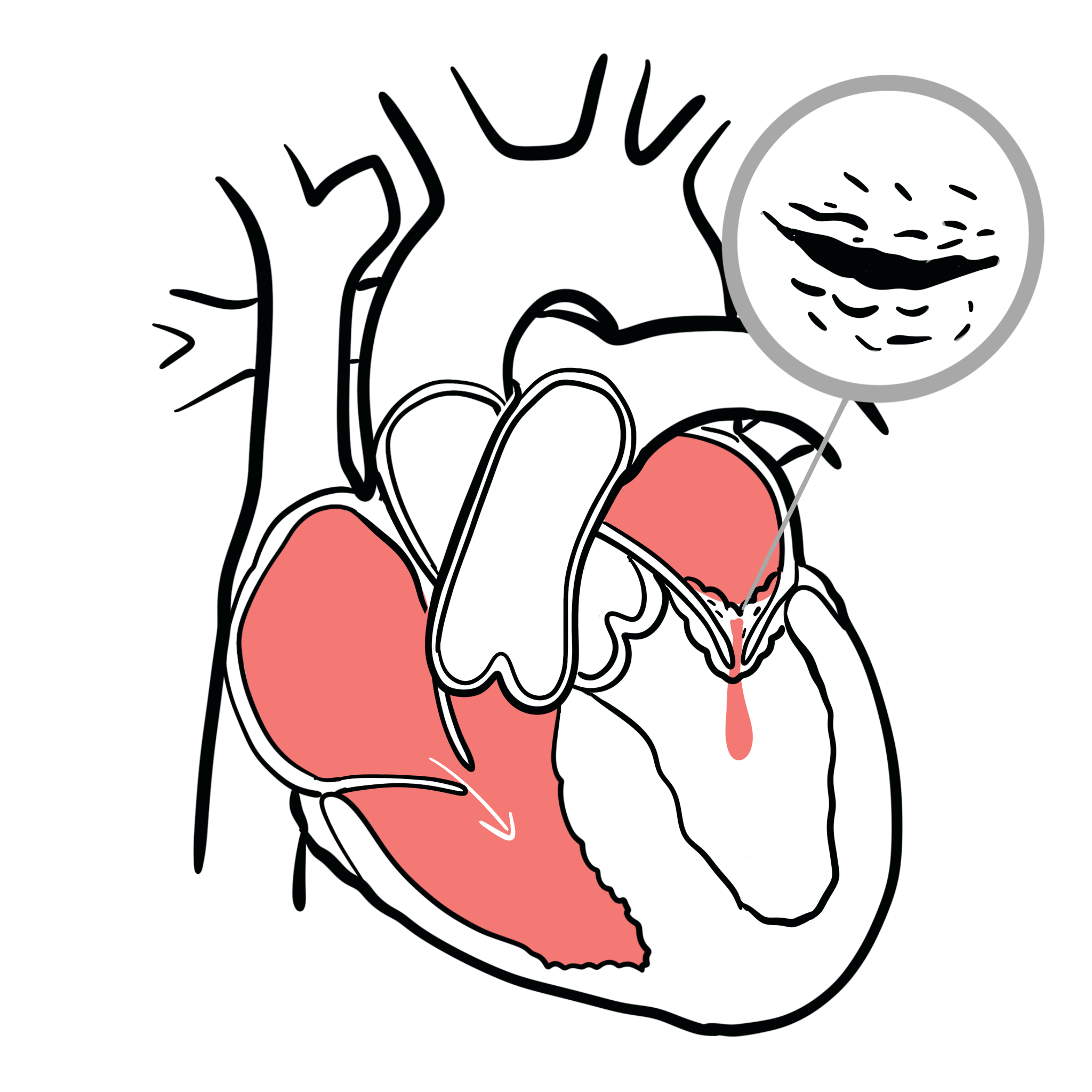
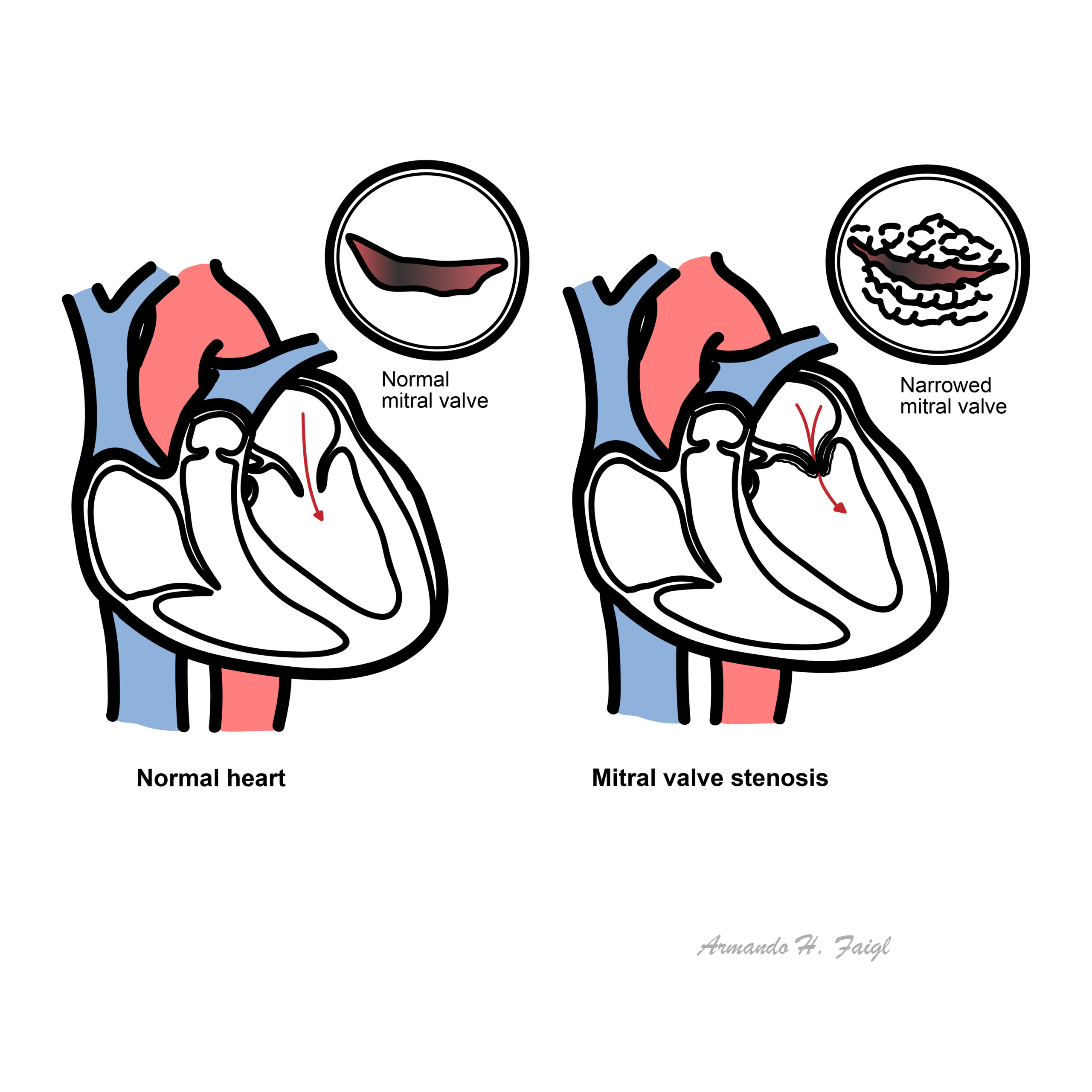
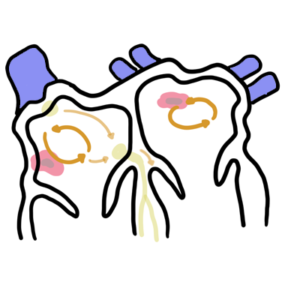
Overview Mitral stenosis causes an obstruction to blood flow from the left atrium to left ventricle usually as a result of rheumatic heart disease. The stenosis results in increased pressure in the left atrium, pulmonary vasculature and right side of heart. Mitral valve disease is a frequent cause of heart failure and death.
Valvular Heart Disease
Endocarditis Aortic Valve Disease Mitral Valve Disease Pulmonary Valve Disease Tricuspid Valve DiseaseAetiology and Risk Factors Aetiology
Rheumatic fever leading to rheumatic heart disease (95% of cases) Congenital Risk Factors
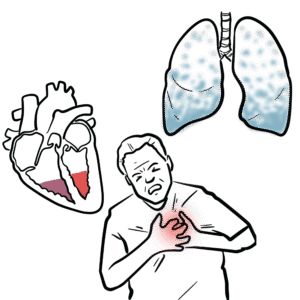
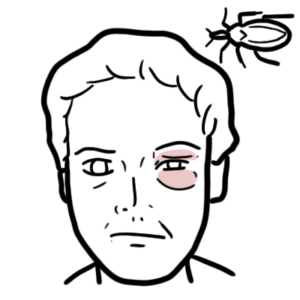
Clinical Manifestation Exertional dyspnoea Decreased excercise tolerance Haemoptysis Chest pain Fatigue History of rheumatic fever Malar flush Signs of right-sided heart failure Thromboembolic event “Stroke ”Hoarseness (recurrent laryngeal nerve compressed) Dysphagia (esophagus compressed)
This image series is only available to members
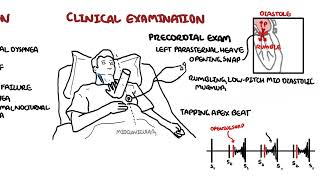
Cardiovascular Examination
Malar flush Pulse Left parasternal heave (from right ventricular hypertrophy) Auscultation – Mitral valve (Apex – left 5th intercostal space mid-clavicular)Pre systolic murmur precedes S1, a result of increase blood flow from atrial contraction Opening snap of the mitral valve following S2 (closure of the aortic and pulmonic valves) is the opening of the stenotic mitral valve (SNAP) Long murmur during Diastole (longer in chronic mitral stenosis) Low-pitched diastolic rumble that is most prominent at the apex. Early diastolic murmur (on inspiration) due to pulmonary regurgitation from pulmonary hypertension (Graham Steell murmur) may be heard rarely.
Diagnosis Symptoms and signs similar to mitral stenosis
left atrial myxoma prosthetic valve obstruction Cor tratriatum Investigations
ECG Atrial fibrillation Left atrial enlargement – P mitrale Right ventricular hypertrophy – Right axis deviation Chest X-ray Straight or convex L heart border Double shadow of LA behind RA Splaying of carina Dilated upper lobe veins Prominent pulmonary conus Pulmonary haemosiderosis Trans-thoracic echocardiography Transoesophageal echocardiography Cardiac catherization Diagnosis
Echocardiography — A transthoracic echocardiogram is indicated in patients with signs or symptoms of MS to establish the diagnosis, quantify the hemodynamic severity determine the etiology , and assess concomitant valve disease.
Treatment Medication – Preload reduction
No treatment generally required if asymptomatic but monitoring is important Diuretics and sodium Surgery
Balloon valvotomymoderate to severe symptomatic disease Diuretic Valve replacement or repair Complications and Prognosis Complications
Atrial Fibrillation Stroke Warfarin-induced haemorrhage Systemic Embolism – due to thrombus formation in the right atrium Infective endocarditis Functional tricuspid reguritation Prognosis
With continuous monitoring and ppropriate treatment prognosis is excellent Death from Mitral stenosis is oftne due to progressive right-sided heart failure and/or pulmonary edema



















Discussion