Tricuspid regurgitation – pathophysiology, investigation and treatment
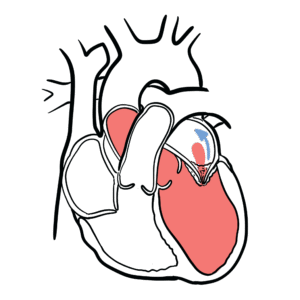
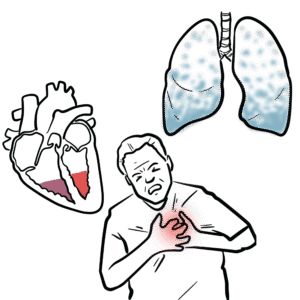
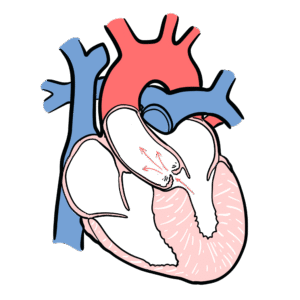
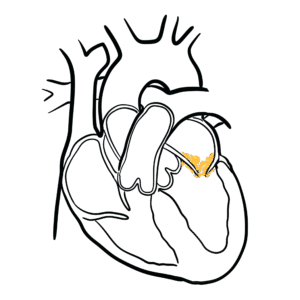
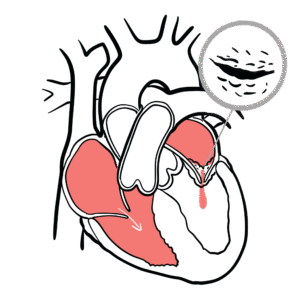
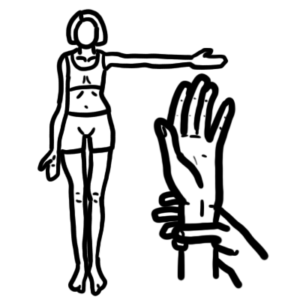
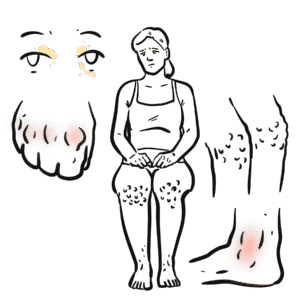
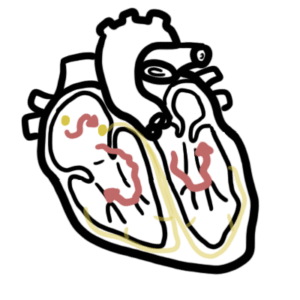
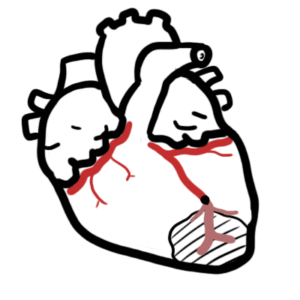
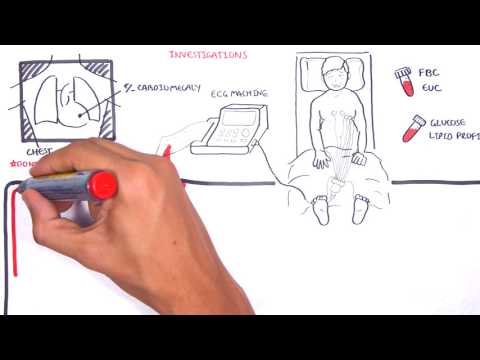
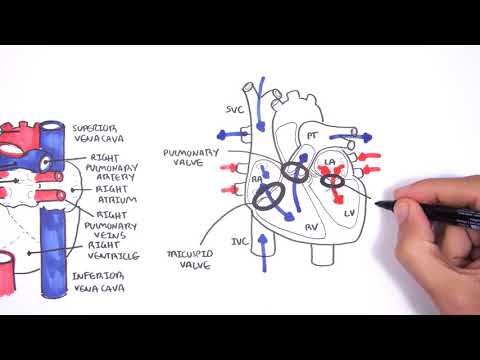
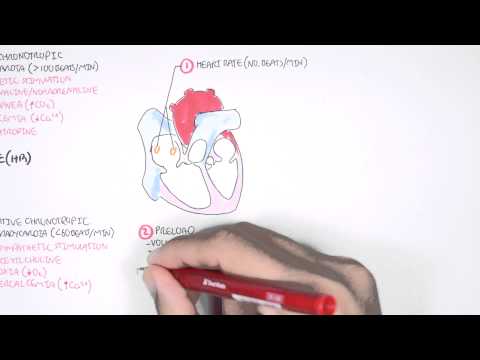
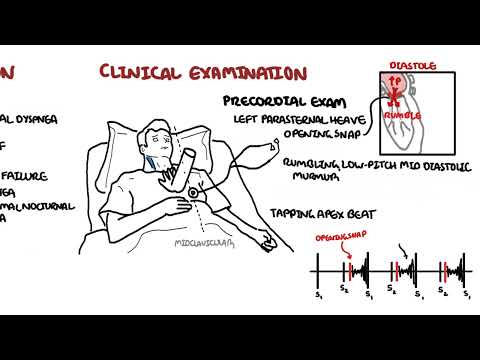
Tricuspid regurgitation causes blood to leak back into the right atrium during systole — learn causes, symptoms, diagnosis, and treatment. This clear, concise video explains primary vs. secondary tricuspid regurgitation, why valve anatomy (three leaflets, chordae tendineae, papillary muscles) matters, and how right ventricular dilation and pulmonary hypertension drive functional TR. Viewers will understand common primary causes (carcinoid syndrome, trauma, infective endocarditis, Ebstein anomaly, connective tissue disorders, drugs, congenital lesions) and the more frequent secondary causes linked to left-sided heart disease, pulmonary disease, pulmonary embolism, and left-to-right shunts. Watchers will also learn clinical signs of severe TR — jugular venous distension with prominent V-waves, hepatomegaly, ascites, peripheral edema, systolic murmur augmented by inspiration — and the role of ECG, chest X-ray, echocardiography, cardiac MRI, and catheterization in assessment. Practical management is covered: treating the underlying cause and heart failure medically (diuretics, mineralocorticoid antagonists), indications for surgical annuloplasty or valve replacement, and emerging transcatheter repair/replacement and coaptation devices. Ideal for medical students, clinicians, and patients seeking a focused overview, this video delivers actionable insights into diagnosis, severity grading, and treatment options to improve outcomes. Watch to deepen your understanding of tricuspid regurgitation and see when to pursue imaging, medical therapy, or referral for valve intervention.


Notes Articles