

Visual explanationFree resource
Visual medical education by Armando Hasudungan
Medical science, drawn into focus.
Explore visual explanations that reveal how the facts, processes and clinical patterns fit together—then discover the coming AH study platform, built to guide what you study next and check what stuck.
Connected studyComing soon
Clear visual explanations used by medical and allied-health learners around the world.
Explore the free library
Start with the topic in front of you.
Browse by subject or jump straight into the explanation you need. No account required.
Hypermobility Syndromes
Overview Hypermobility Spectrum Disorder (HSD) describes symptomatic joint hypermobility with musculoskeletal (and sometimes systemic) consequences in people who do not meet the 2017 diagnostic criteria for hypermobile Ehlers–Danlos syndrome (hEDS) or another heritable connective-tissue disorder (HCTD). Prevalence of generalised joint hypermobility varies (≈2–35% depending on age/sex/ethnicity and cut-offs), with symptomatic states more common in females…
View topic ↗Scarlatina (Scarlet Fever)
View topic ↗Aortic Stenosis
Overview Aortic valve stenosis is characterised by obstruction of left ventricular outflow, resulting in inadequate cardiac output, decreased exercise capacity, heart failure, and death from cardiovascular causes. Mild to moderate aortic stenosis is usually a symptomatic, but occasionally can be found on routine examination Locations of stenosis – Valvular (common), supravalvular and subvalvular Aortic Stenosis…
View topic ↗Urinary Incontinence
Overview Urinary incontinence is an important condition because it causes significant distress. Approximately 15% of the general female adult population have a significant problem with urinary incontinence. Urinary incontinence: Defined as the condition in which there is invontary loss of urine, which can be objectively demonstrated and which is a social or hygienic problem. Stress…
View topic ↗Hypercholesterolaemia
Overview Higher levels of cholesterol associated with worse CV outcomes. Three main types that are measured: VLDL, LDL and HDL. High LDL is associated with a significant increase in cardiovascular problems. Hypercholesterolaemia can also run in families. Lifestyle modification aim to reduce cardiovascular risk. Pharmacological agents are lipid lowering drugs, statins being first-line. Lipid Physiology…
View topic ↗Pre-menstrual Syndrome (PMS)
Overview Premenstrual syndrome is defined as recurrent moderate psychological and physical symptoms that occur during the luteal phase of menses and resolve with menstruation. Most women of reproductive age experience one or more mild emotional or physical symptoms for one to two days before the onset of menses. These symptoms, such as breast soreness and bloating,…
View topic ↗Schizophrenia
Overview Schizophrenia is a complex syndrome often presenting in late teens/early 20s with positive, negative and cognitive symptoms. Positive symptoms include behaviours and thoughts that are not normally present (psychosis). Negative symptoms include social withdrawal and affective flattening. Finally, cognitive symptoms are expressed as a broad set of cognitive dysfunction. The average lifetime prevalence of…
View topic ↗Full resource library
Browse all topics ↗Choose how you learn
One idea. More than one way to see it.
Use the format that helps the topic click, then switch formats when you need to reinforce it.
01 / WATCH02 / READ03 / SEE04 / CHECK
Videos
Hand-drawn explanations that build the big picture as the concept unfolds.
Notes
Clear written explanations for review, reference and filling in the details.
Diagrams
Visual snapshots that help you easily review topics.
Questions
Test whether the explanation stayed with you—not just whether it looked familiar.
Good places to begin
Explanations learners return to.

Chemistry Revision VI – Stoichiometry Balancing Equation
Understand the principles of stoichiometry and learn how to balance chemical equations step by step. This video offers clear methods and examples to help you confidently solve reactions and calculate reactants and products.
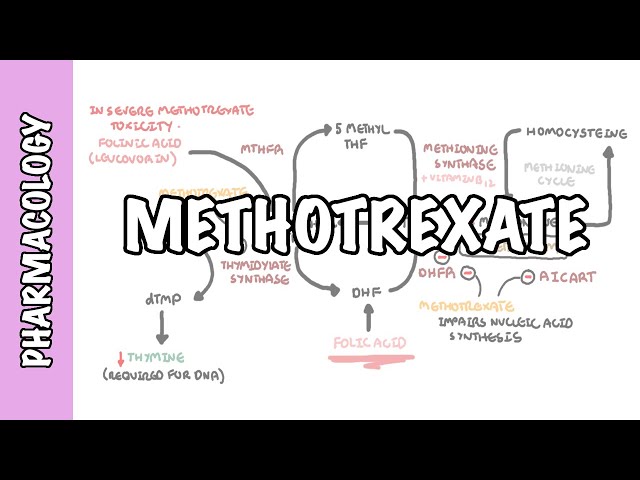
Methotrexate – Pharmacology (DMARDs, mechanism of action, side effects)
Learn about methotrexate, a key disease-modifying antirheumatic drug (DMARD) used to treat autoimmune conditions and certain cancers. This video explains its mechanism of action, pharmacologic properties, and common side effects such as liver toxicity and bone marrow suppression.
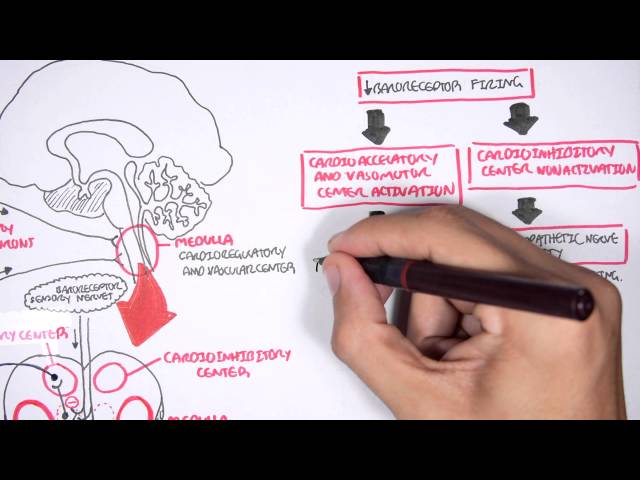
Compensatory Mechanisms of (Medical) Shock
Discover the body's compensatory mechanisms during medical shock, including how the cardiovascular and endocrine systems respond to maintain perfusion and blood pressure. This video explains key processes like sympathetic activation, vasoconstriction, tachycardia, and fluid retention aimed at stabilizing circulation.
Our mission
Medical science is complex. Understanding it should feel possible.
Armando Hasudungan turns difficult medical science into clear visual explanations and connected learning experiences—so learners can see the whole picture, remember what matters and find a clearer way forward.
See it clearly
Turn abstract processes and invisible relationships into something the learner can picture.
Connect the pieces
Build understanding around how concepts fit together—not a pile of isolated facts.
Make it useful
Help learners move from explanation to recall, revision and the next logical step.
What clarity feels like
When the topic stops being a blur.
Learners do not come back because the subject became easy. They come back because the explanation gave them a picture they could work with.
“Armando's teaching style gives me the foundational knowledge.
Jessica Payne-Burnett
Medical Student, Charles Sturt University
“The notes I make during his videos help me retain everything better.
Ayesha RaiStudent, Islamabad Medical and Dental College
“The drawings are amazing and super easy to remember.
Reem Mohamed Khair Abdalrazig
Student, Neelain University
Coming soon: the AH study platform
The explanation is only the start.
The free library helps you find a clear explanation. The AH platform is being built to help you connect the resources, follow a clearer path and check what actually stuck.
- Watch in a focused, ad-free study environment.
- Move between connected videos, notes, diagrams and questions.
- Know what belongs next instead of rebuilding the study path yourself.
- Test your understanding while the topic is still fresh.
New and worth a look
Keep building the picture.
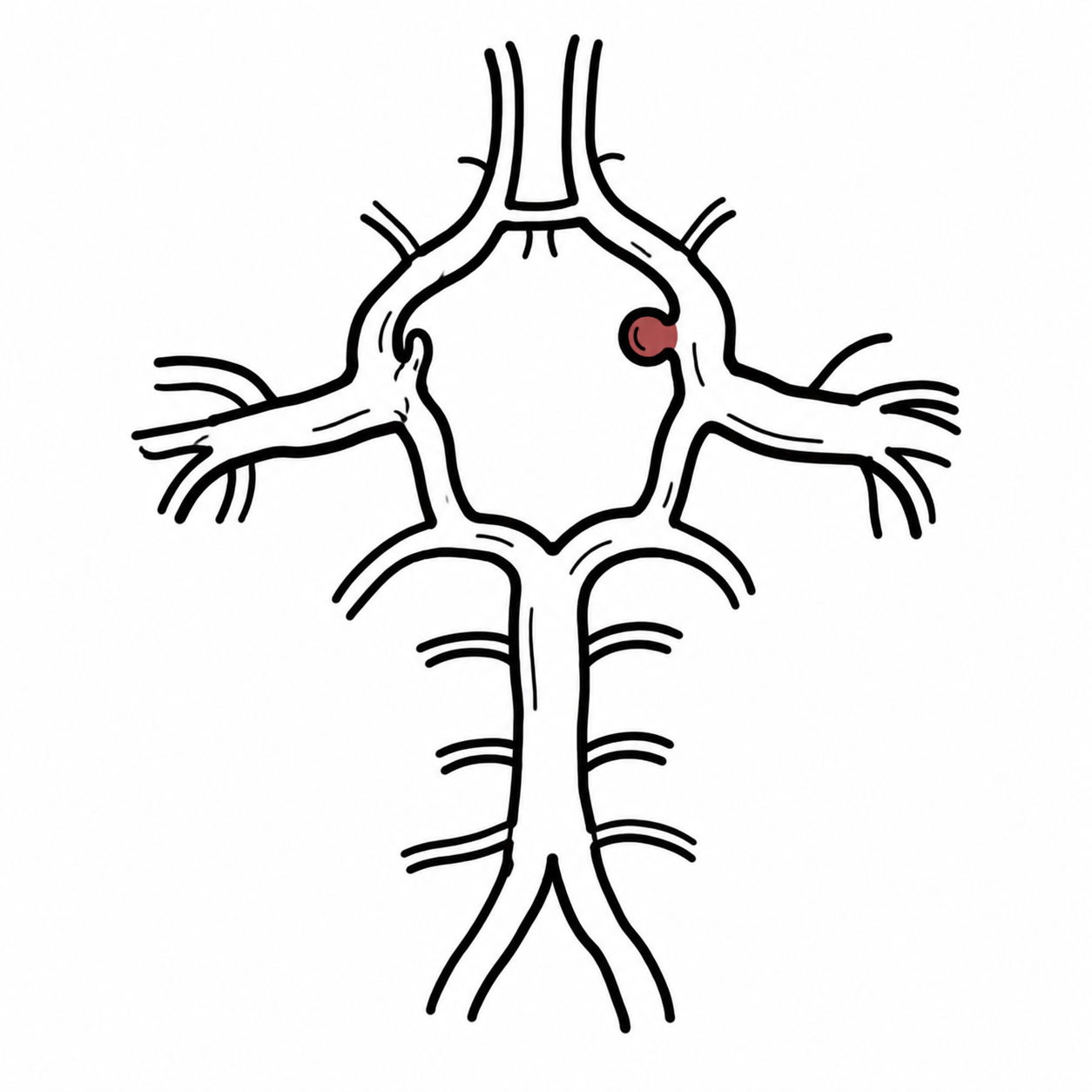
Cerebral Aneurysm
Overview Cerebral (Intracranial) aneurysm is a focal dilation of an intracranial artery due to weakness of the arterial wall. It occurs in roughly 1-5% of adults and can lead to permanent disability. The most common type is a saccular “berry” aneurysm. Most common location is anterior communicating artery. Cerebral aneurysms are typically asymptomatic until rupture,…
View this topic ↗About Visualising Medicine
Good education does not remove complexity. It makes complexity feel simple.
Visualising Medicine is the team behind Armando Hasudungan. We bring together medicine, illustration, writing and technology to make difficult ideas clearer—and build better ways for learners to use them.