

Visual explanationFree resource
Visual medical education by Armando Hasudungan
Medical science, drawn into focus.
Explore visual explanations that reveal how the facts, processes and clinical patterns fit together—then discover the coming AH study platform, built to guide what you study next and check what stuck.
Connected studyComing soon
Clear visual explanations used by medical and allied-health learners around the world.
Explore the free library
Start with the topic in front of you.
Browse by subject or jump straight into the explanation you need. No account required.
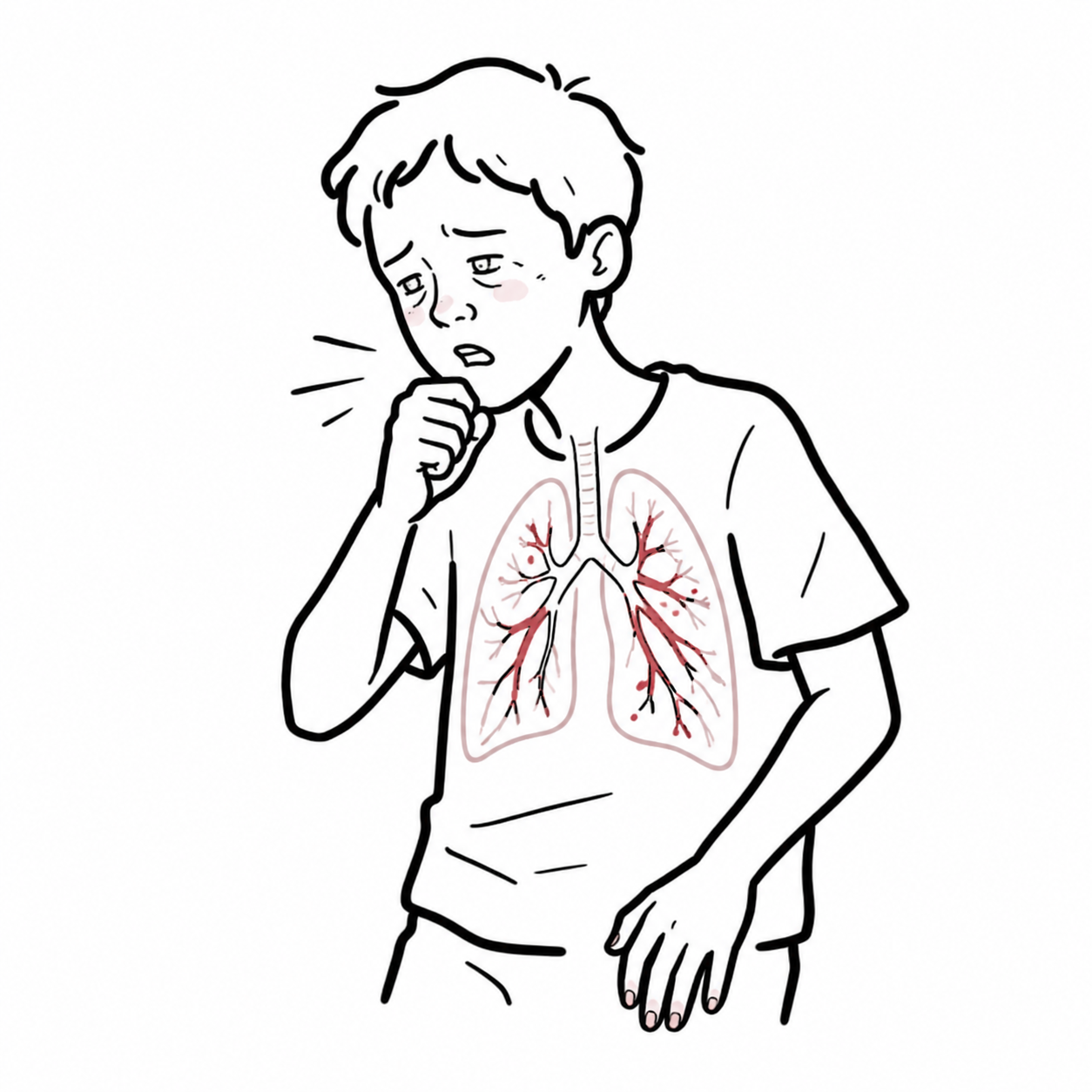
Cystic Fibrosis
Overview Cystic fibrosis causes the dehydration of the mucus lumen causing thick sticky mucus to build up. This occurs mainly the lungs, causing productive cough and increasing rates in respiratory infections, and the pancreas causing pancreatic dysfunction. Cystic fibrosis occurs due to a mutation in the CFTR gene. Salty sweat is also another important characteristic…
View topic ↗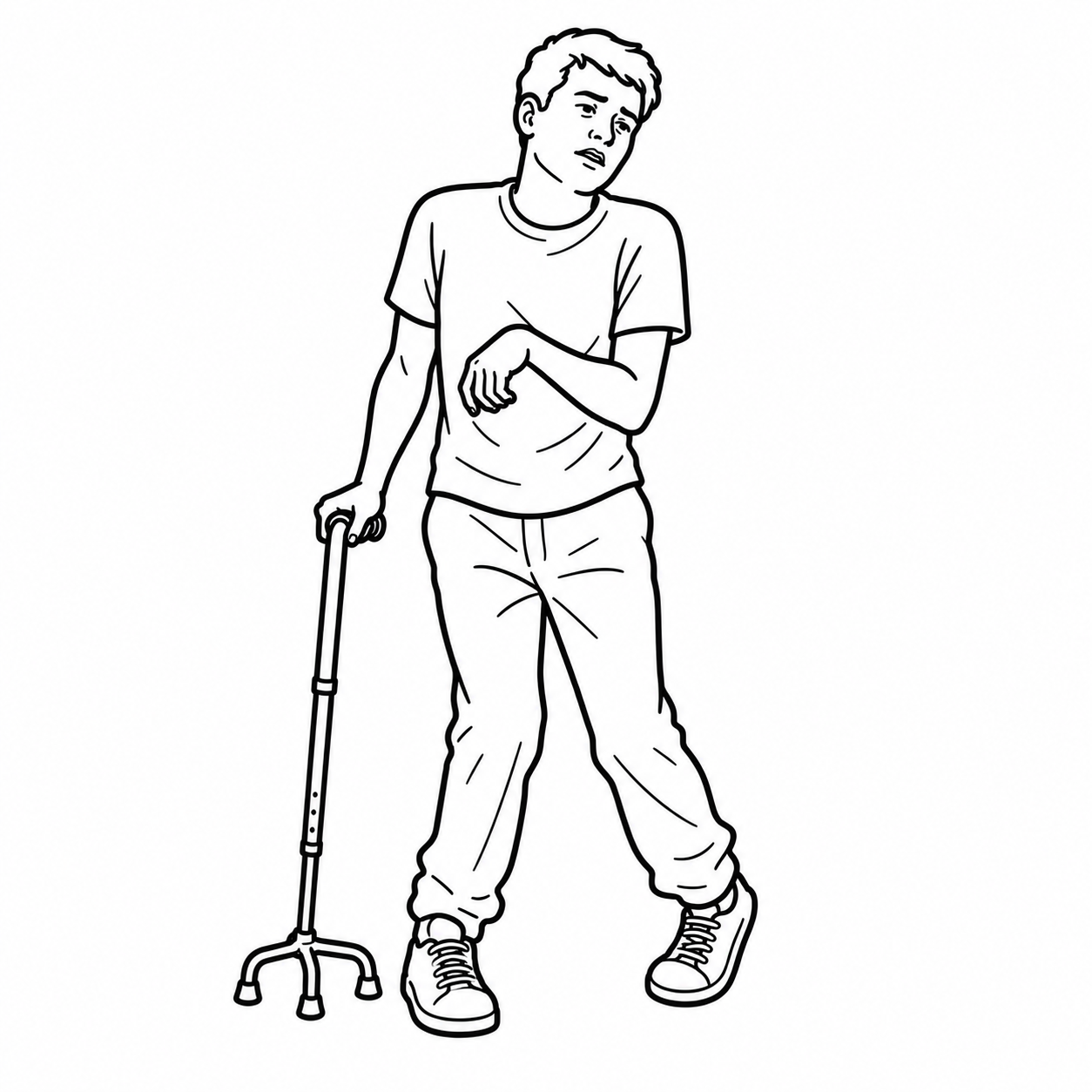
Cerebral Palsy
Overview Cerebral palsy is a non-Progressive neurological disorder. Usually with significant motor component. Clinical presentation overtime changes due to increased developmental challenges.Cerebral palsy (CP) is the most common physical disability in childhood. Prevalence is about 1 – 3/ 1000 live births. Cerebral palsy can affect: Cerebral cortex – causing spasticity Basal ganglia – causing dyskinesia…
View topic ↗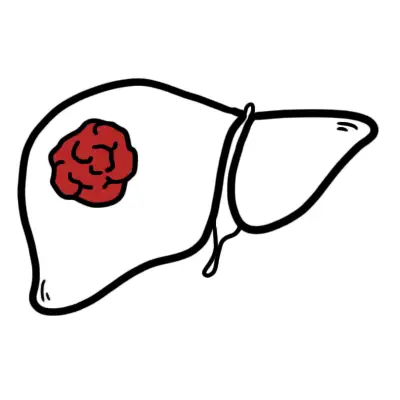
Liver Mass I Tumour
Author Armando Faigl MBBS Areej zeeshan Overview Liver tumors are divided into Benign and Malignant. Most liver tumors are benign, asymptomatic and found incidentally on unrelated imaging. Malignant liver tumours are associated with risk factors (Hep C, Cirrhosis) and present with a spectrum of clinical signs and symptoms such as right upper quadrant pain and…
View topic ↗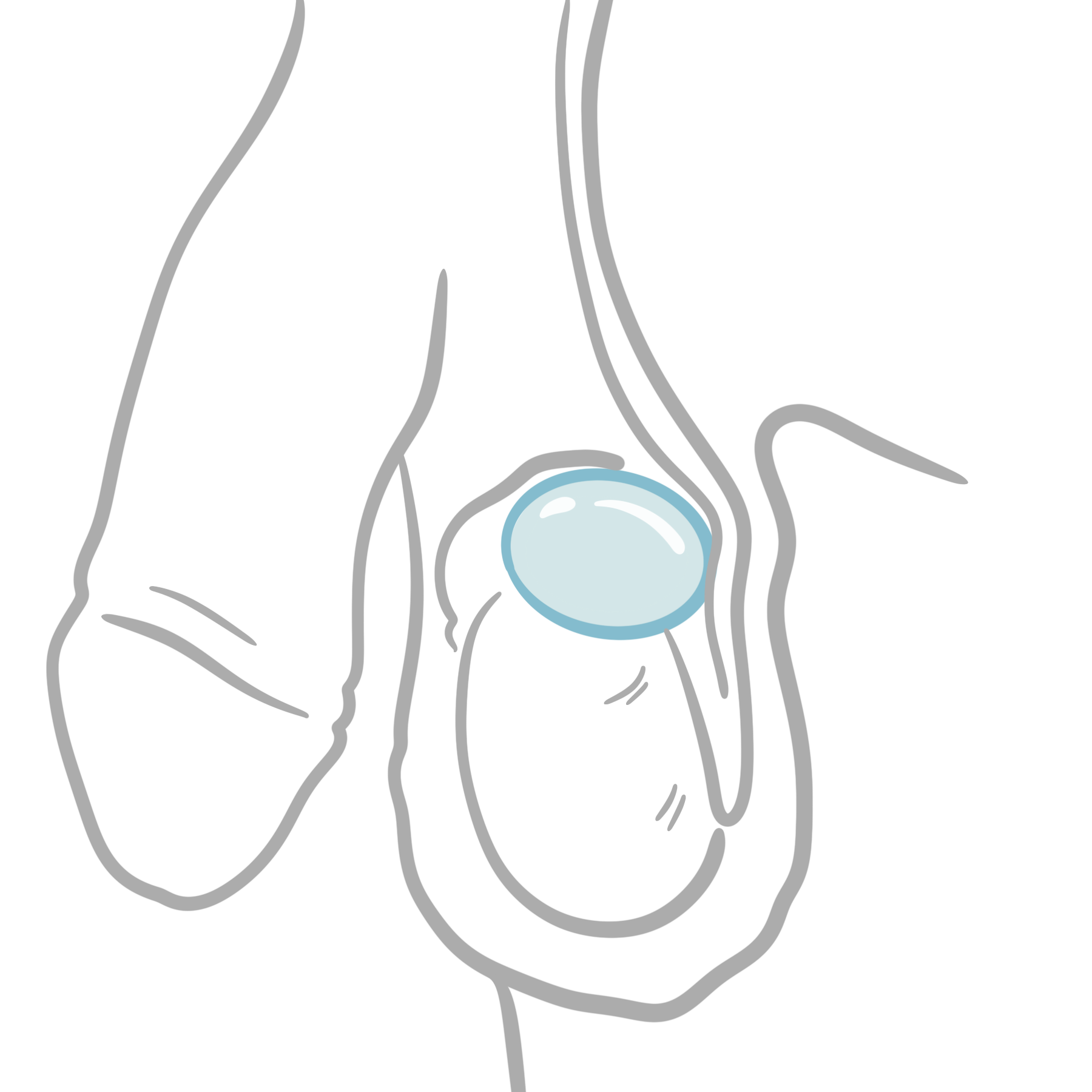
Spermatocele
Overview A spermatocele, or spermatic cyst, is a benign fluid-filled cyst arising from the epididymis, usually near the upper pole of the testis. It commonly contains clear or milky fluid with spermatozoa. Most spermatoceles are painless, discovered incidentally and do not require treatment. Epididymis: coiled structure behind the testis that stores and transports sperm. Spermatocele:…
View topic ↗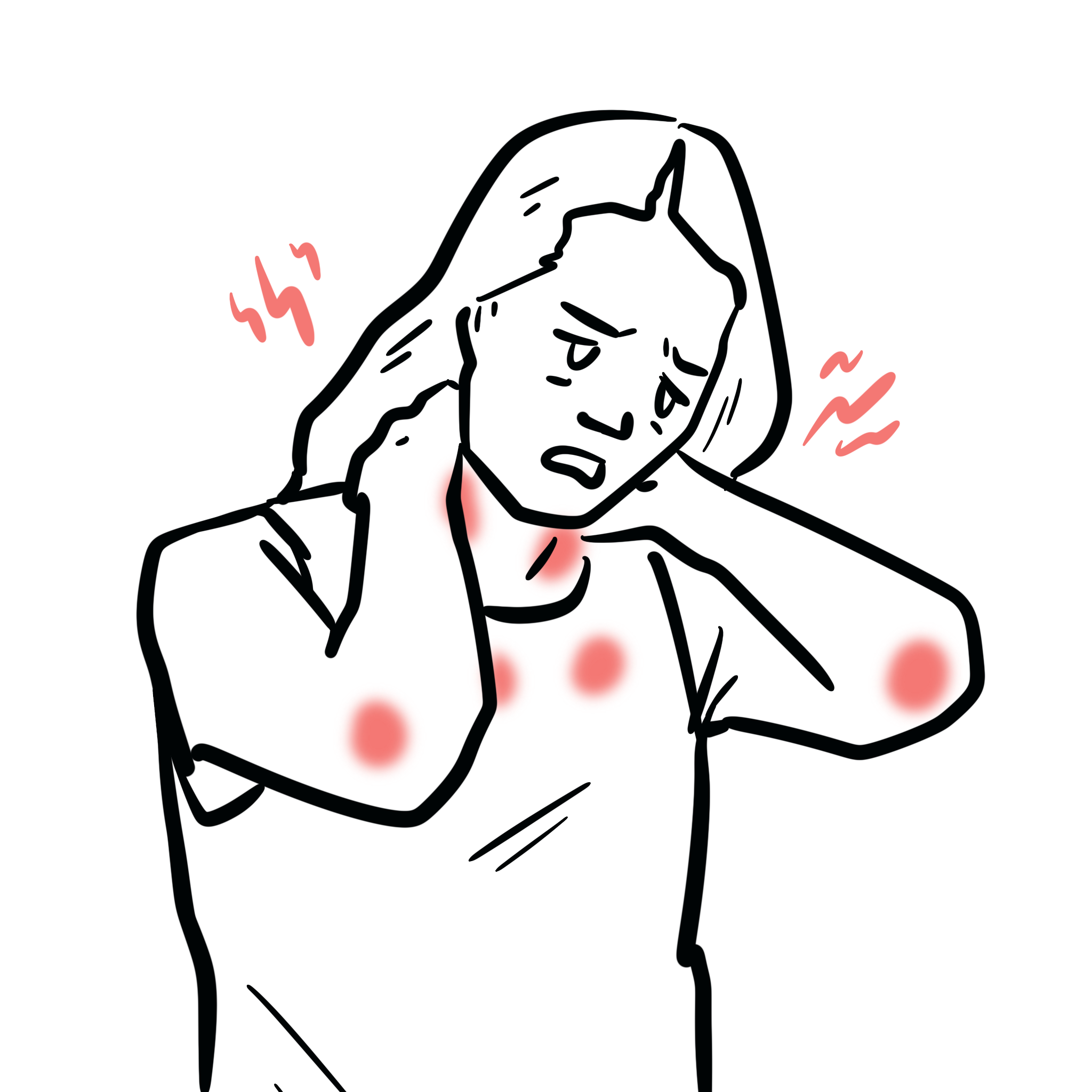
Fibromyalgia
Overview Fibromyalgia is a chronic, nociplastic pain condition characterised by widespread pain with prominent fatigue, sleep disturbance, and cognitive symptoms, reflecting altered central pain processing rather than tissue injury. Global prevalence is ~2–4%, higher in women, ages 20–60, and in those with mood/sleep disorders, obesity, low socioeconomic status, and comorbid rheumatic disease. Major complications include…
View topic ↗
Pre-menstrual Syndrome (PMS)
Overview Premenstrual syndrome is defined as recurrent moderate psychological and physical symptoms that occur during the luteal phase of menses and resolve with menstruation. Most women of reproductive age experience one or more mild emotional or physical symptoms for one to two days before the onset of menses. These symptoms, such as breast soreness and bloating,…
View topic ↗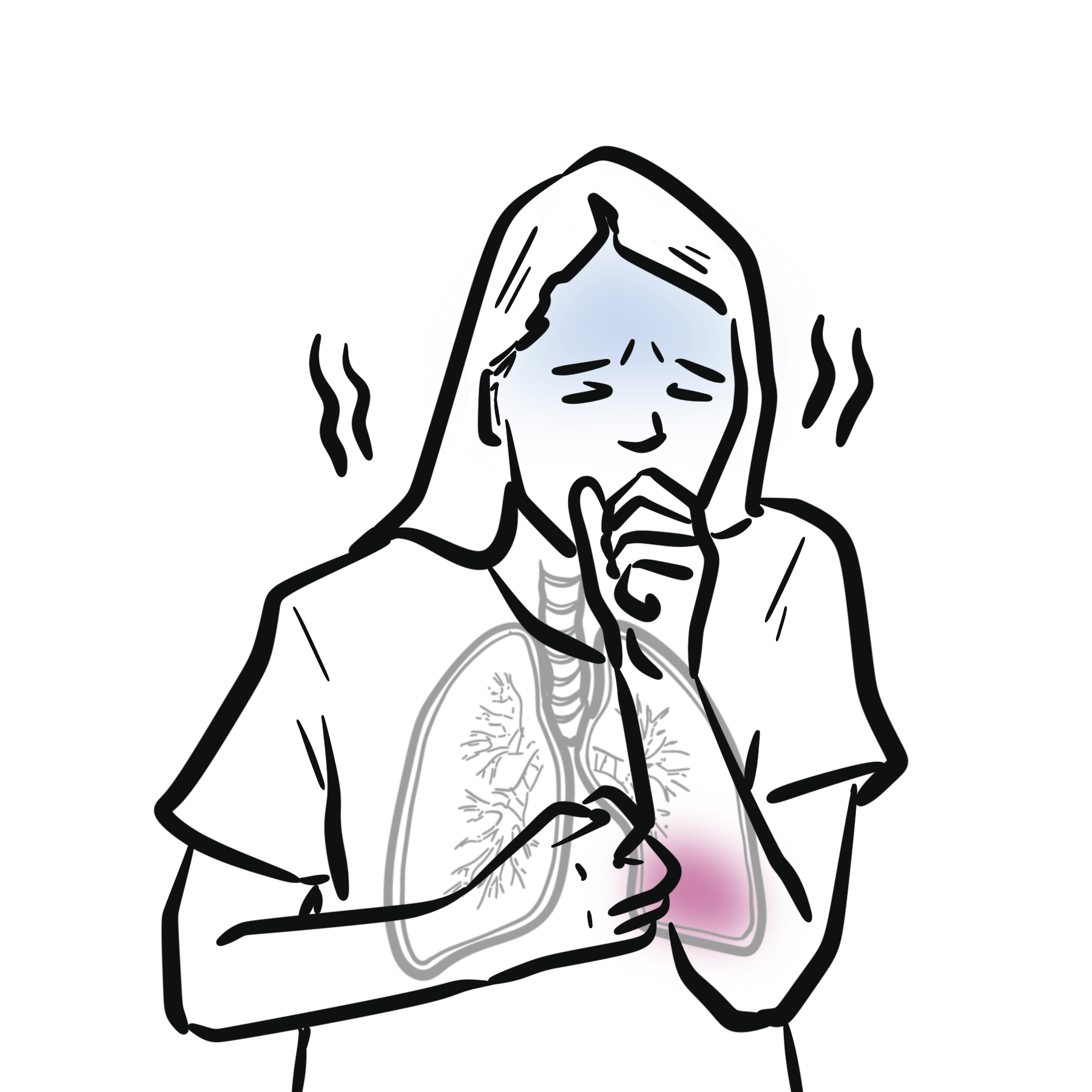
Community Acquired Pneumonia
Overview Community acquired pneumonia occur in individuals who are not in hospital (or have been in hospital in the past 48 hours) and who are not significantly immunocompromised. The World Health Organization estimates that lower respiratory tract infection is the most common infectious cause of death in the world. Choice of antibiotics are usually empirical…
View topic ↗Full resource library
Browse all topics ↗Choose how you learn
One idea. More than one way to see it.
Use the format that helps the topic click, then switch formats when you need to reinforce it.
01 / WATCH02 / READ03 / SEE04 / CHECK
Videos
Hand-drawn explanations that build the big picture as the concept unfolds.
Notes
Clear written explanations for review, reference and filling in the details.
Diagrams
Visual snapshots that help you easily review topics.
Questions
Test whether the explanation stayed with you—not just whether it looked familiar.
Good places to begin
Explanations learners return to.
Giardiasis – Giardia Lamblia
Learn how Giardia lamblia causes giardiasis, a common intestinal infection transmitted through contaminated water or food. This video explains the parasite’s life cycle, pathogenesis, clinical symptoms, and key diagnostic and treatment approaches.
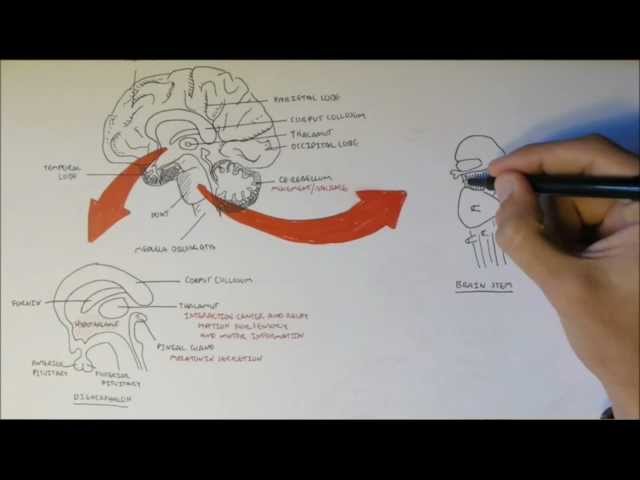
Brain Anatomy Overview – Lobes, Diencephalon, Brain Stem & Limbic System
Explore the Brain Anatomy Overview in this video, covering the cerebral lobes, diencephalon, brainstem, and limbic system with clear explanations and visuals. Ideal for exam prep, it highlights key functions, clinical correlations, and structural relationships in one concise review.
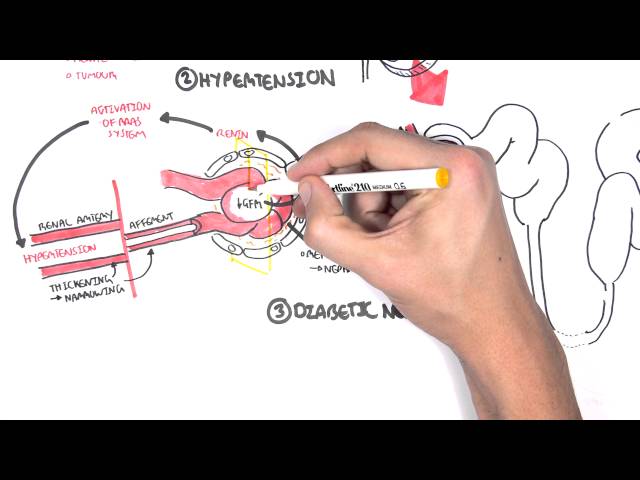
Chronic Kidney Disease (CKD) Pathophysiology
This video provides a clear overview of the pathophysiology of Chronic Kidney Disease (CKD), highlighting the progressive loss of renal function and underlying mechanisms. Understand how factors like hypertension, diabetes, and glomerular injury contribute to CKD development and progression.
Our mission
Medical science is complex. Understanding it should feel possible.
Armando Hasudungan turns difficult medical science into clear visual explanations and connected learning experiences—so learners can see the whole picture, remember what matters and find a clearer way forward.
See it clearly
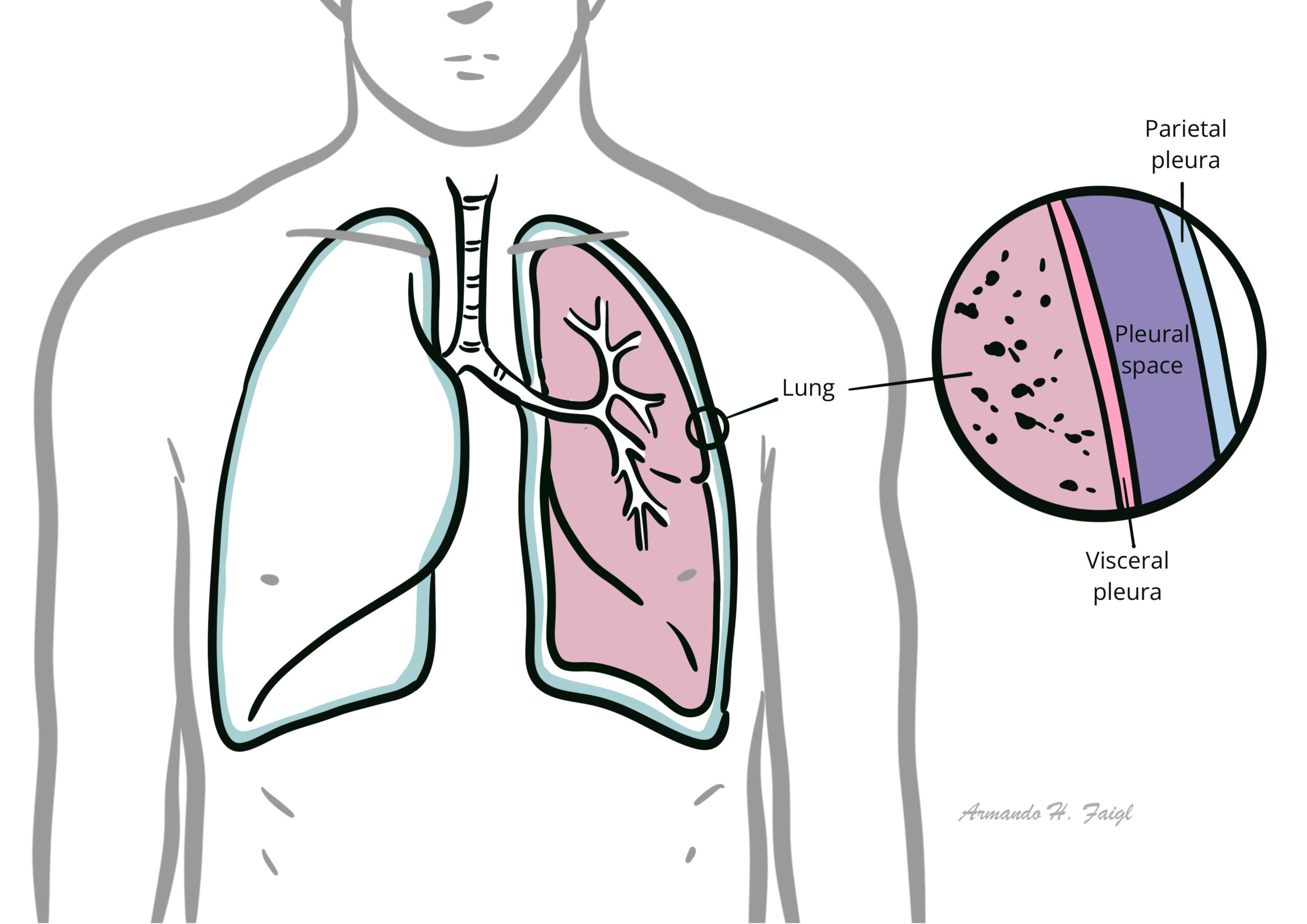
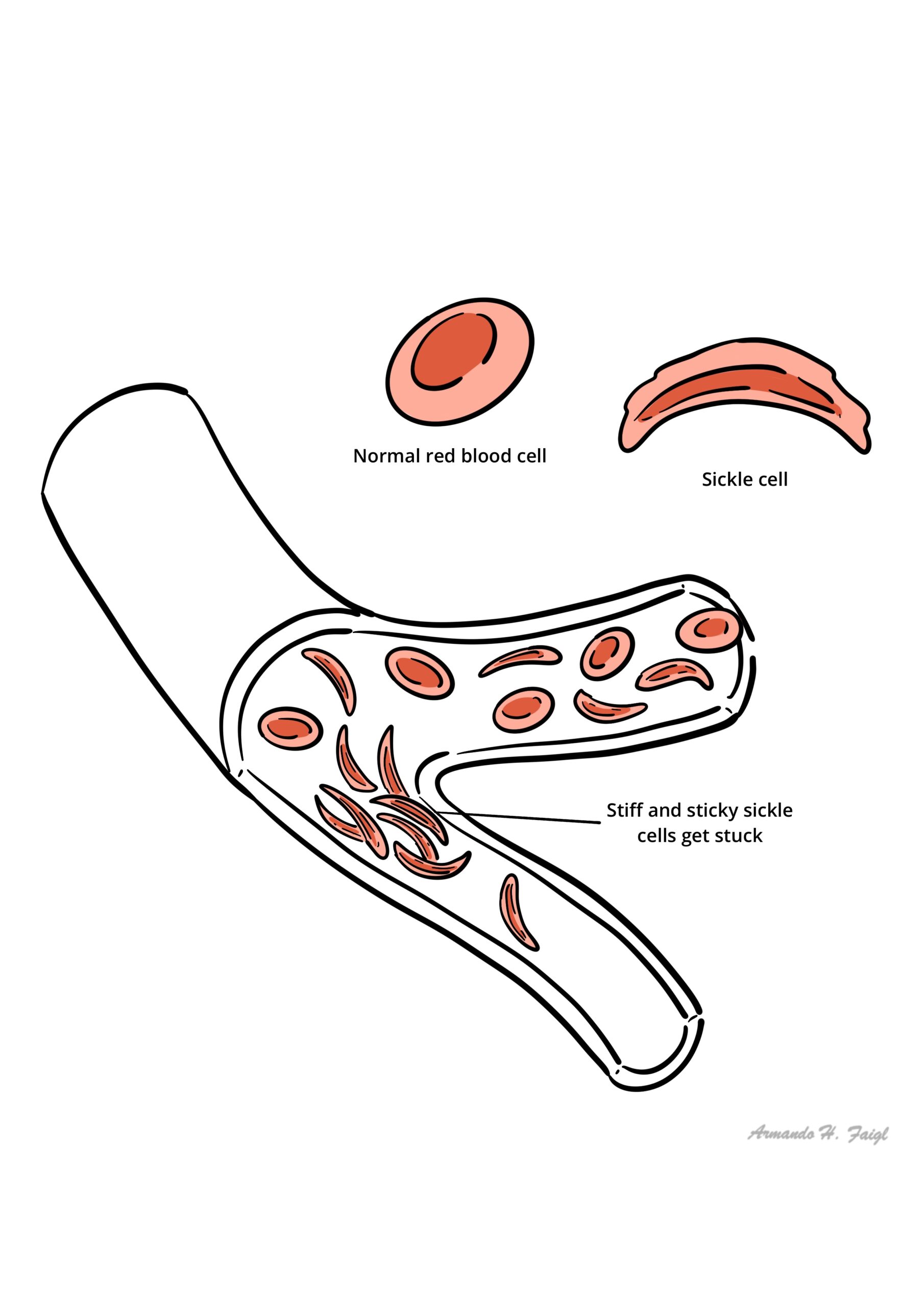
Turn abstract processes and invisible relationships into something the learner can picture.
Connect the pieces
Build understanding around how concepts fit together—not a pile of isolated facts.
Make it useful
Help learners move from explanation to recall, revision and the next logical step.
What clarity feels like
When the topic stops being a blur.
Learners do not come back because the subject became easy. They come back because the explanation gave them a picture they could work with.
“Armando's teaching style gives me the foundational knowledge.
Jessica Payne-Burnett
Medical Student, Charles Sturt University
“The notes I make during his videos help me retain everything better.
Ayesha RaiStudent, Islamabad Medical and Dental College
“The drawings are amazing and super easy to remember.
Reem Mohamed Khair Abdalrazig
Student, Neelain University
Coming soon: the AH study platform
The explanation is only the start.
The free library helps you find a clear explanation. The AH platform is being built to help you connect the resources, follow a clearer path and check what actually stuck.
- Watch in a focused, ad-free study environment.
- Move between connected videos, notes, diagrams and questions.
- Know what belongs next instead of rebuilding the study path yourself.
- Test your understanding while the topic is still fresh.
New and worth a look
Keep building the picture.

Cervical Radiculopathy
Overview Cervical radiculopathy is dysfunction of a cervical nerve root caused by irritation or compression as it leaves the spine. It commonly produces pain radiating from the neck into one arm, sometimes with paraesthesia, numbness, weakness or altered reflexes. A disc herniation or degenerative narrowing of the neural foramen is a common cause. Diagnosis is…
View this topic ↗About Visualising Medicine
Good education does not remove complexity. It makes complexity feel simple.
Visualising Medicine is the team behind Armando Hasudungan. We bring together medicine, illustration, writing and technology to make difficult ideas clearer—and build better ways for learners to use them.