

Non-Hodgkins Lymphoma
Overview
Non-Hodgkin lymphoma (NHL) is a heterogeneous group of lymphoid malignancies arising from B cells, T cells, or natural killer (NK) cells, characterised by clonal proliferation of lymphocytes at different stages of differentiation. It accounts for approximately 4–5% of all cancers worldwide, with incidence increasing with age and a median diagnosis in the sixth to seventh decade. B-cell lymphomas represent ~85–90% of cases. NHL encompasses a wide clinical spectrum from indolent (e.g., follicular lymphoma) to aggressive (e.g., diffuse large B-cell lymphoma) and highly aggressive subtypes (e.g., Burkitt lymphoma). Risk factors include immunosuppression, infections (EBV, H. pylori, HIV), autoimmune disease, and environmental exposures.
What to notice
Detailed image description
Definition
Lymphoma: Malignancy of lymphocytes arising from lymphoid tissues.
Non-Hodgkin lymphoma: Group of lymphoid malignancies excluding Hodgkin lymphoma, lacking Reed-Sternberg cells.
B-cell lymphoma: Malignancy derived from B lymphocytes (~85–90% of NHL).
Indolent vs aggressive lymphoma: Classification based on growth rate and clinical behaviour.
NHL is a spectrum of diseases, not a single entity.
Anatomy & Physiology
- Lymphatic system: Network of lymph nodes, spleen, thymus, and lymphatic vessels responsible for immune surveillance
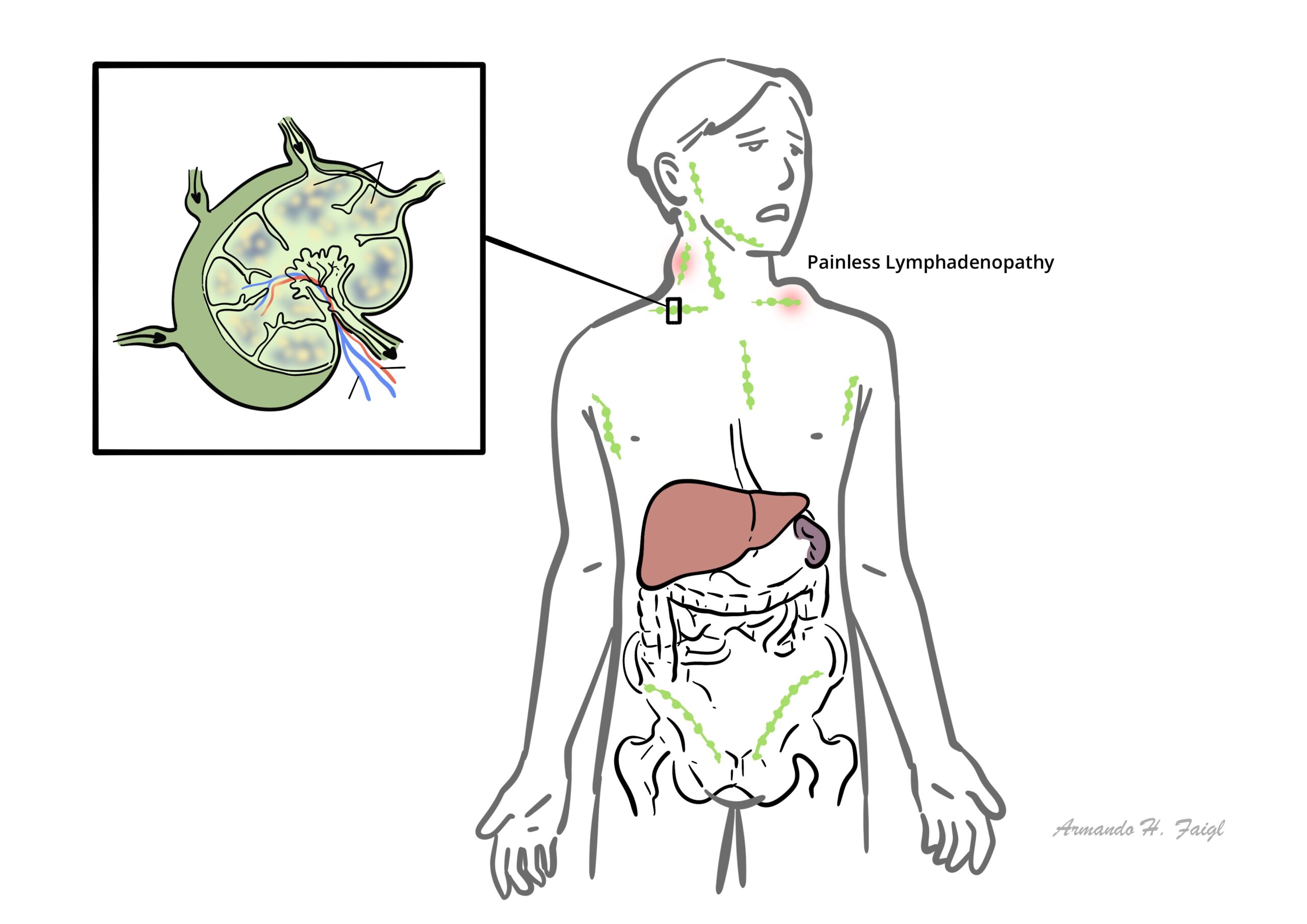
- Lymph node structure: Cortex (B-cell follicles), paracortex (T-cells), medulla (plasma cells, macrophages)
- B-cell maturation: Occurs in bone marrow → germinal centre reaction → antibody production
- T-cell function: Cell-mediated immunity, immune regulation
Aetiology & Risk Factors
Aetiology
- Genetic mutations (e.g., BCL2, MYC, BCL6 rearrangements)
- Chronic antigenic stimulation
- Viral oncogenesis
Risk Factors
- Immunosuppression (HIV, post-transplant)
- Infections: EBV, H. pylori, HTLV-1, hepatitis C
- Autoimmune diseases (RA, Sjögren’s)
- Environmental exposures (radiation, chemicals)
- Increasing age
Chronic immune stimulation → increased risk of malignant transformation.
Pathophysiology
- Genetic mutation in lymphocyte → clonal expansion
- Dysregulated apoptosis (e.g., BCL2 overexpression)
- Accumulation in lymph nodes and extranodal tissues
- Disruption of normal immune function
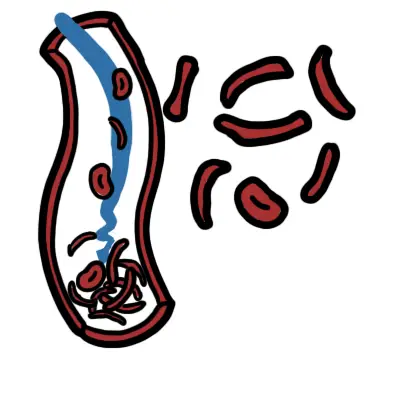
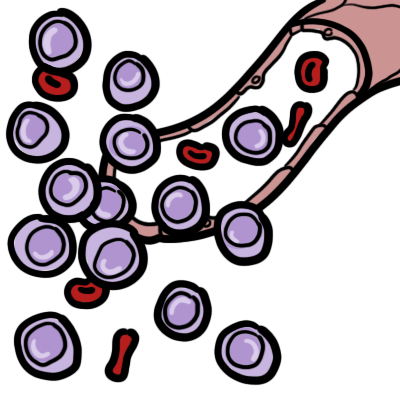
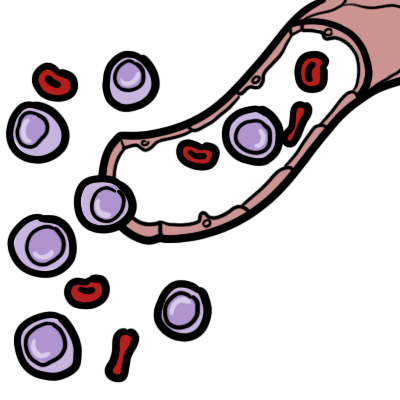
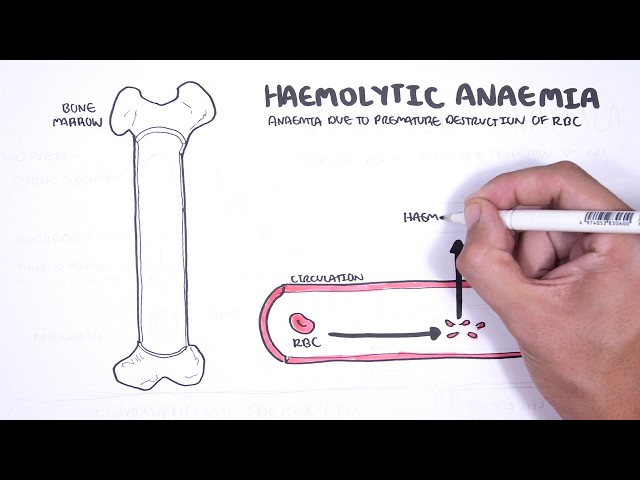
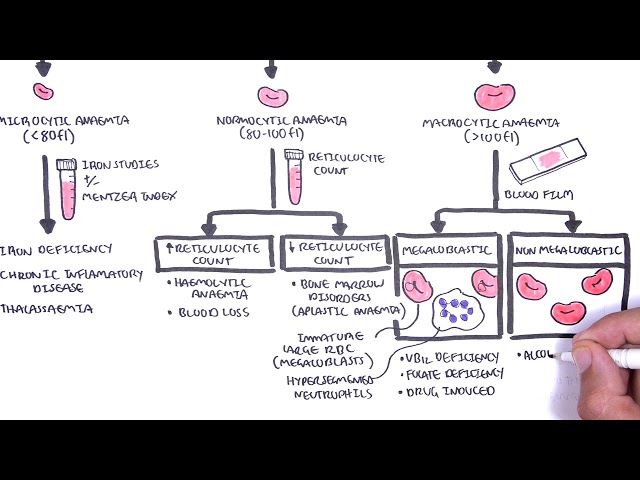
- Bone marrow infiltration → cytopenias
Clinical Manifestations
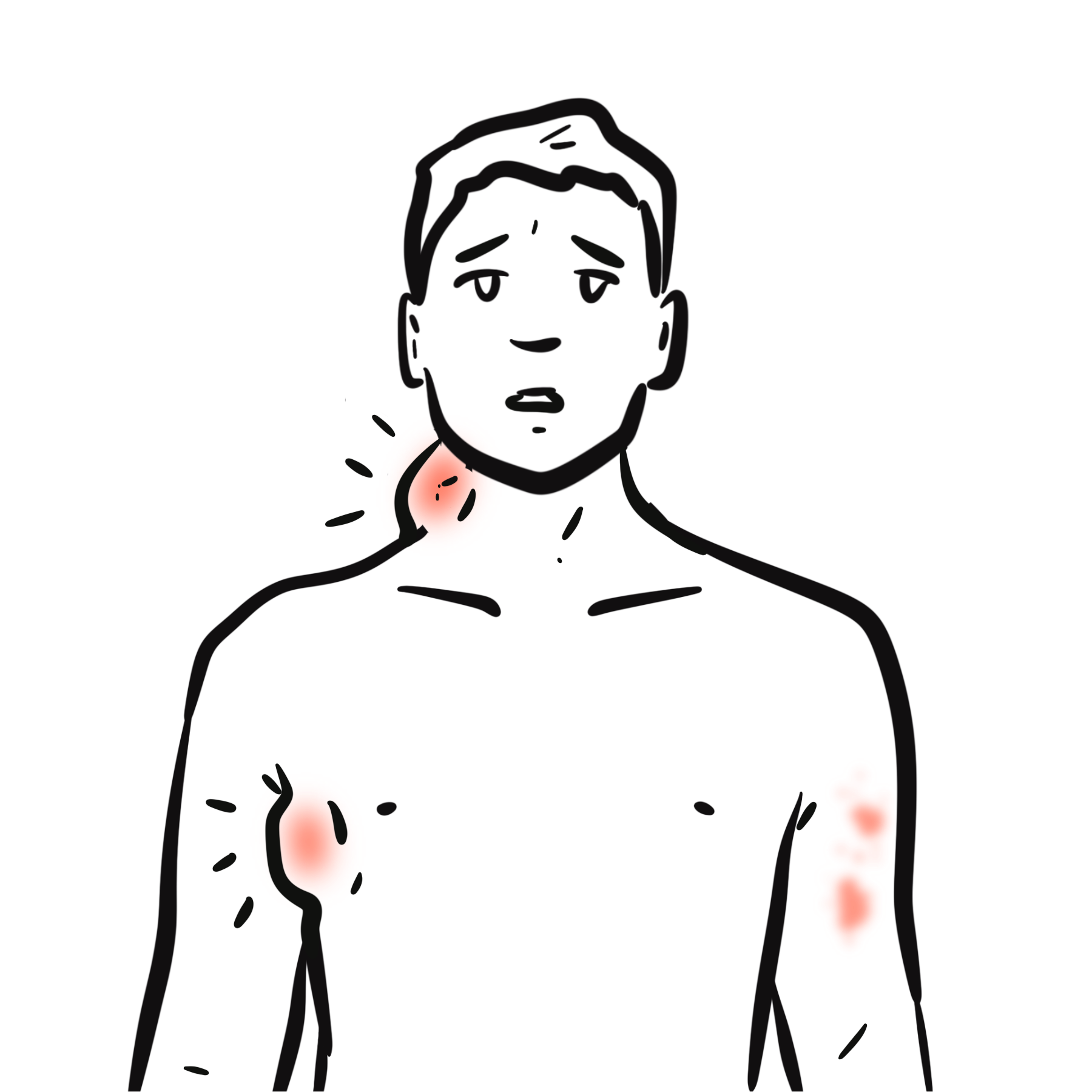
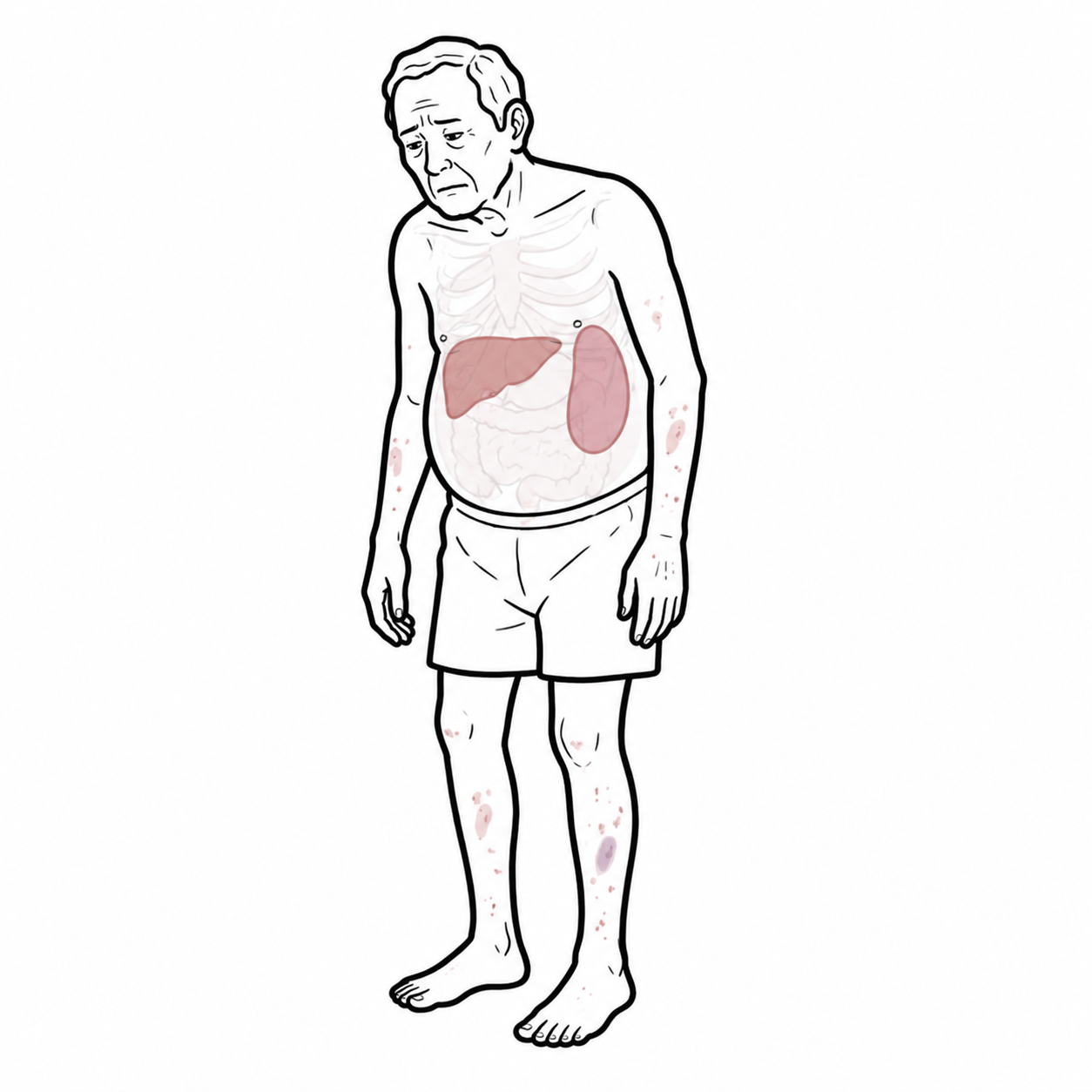
- Painless, firm lymphadenopathy
- B symptoms:
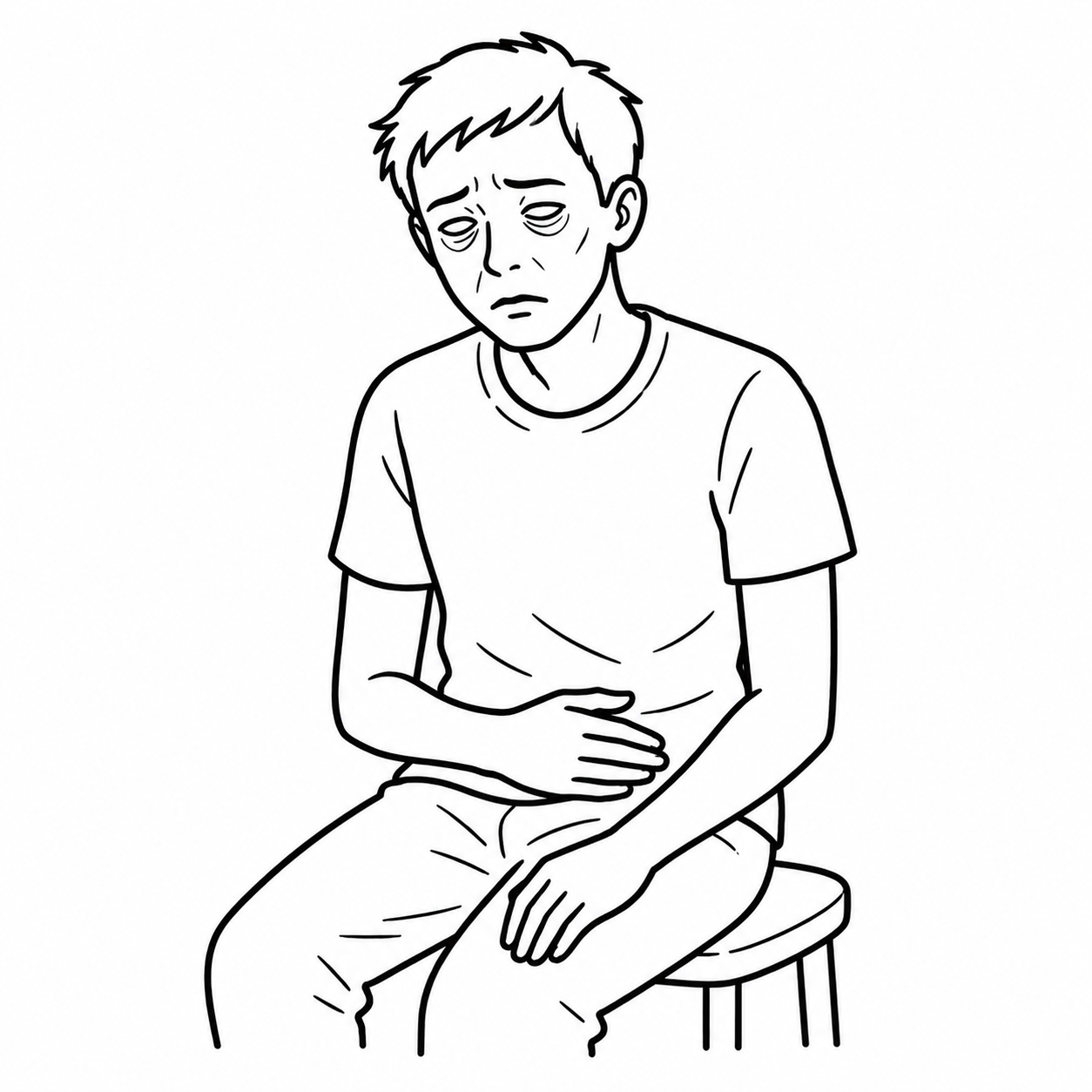
- Fatigue and malaise
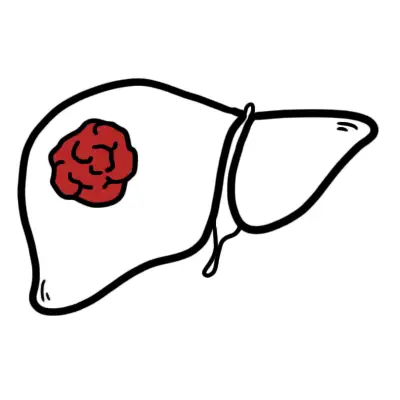
- Splenomegaly or hepatomegaly
- Extranodal disease:
- GI tract → abdominal pain, bleeding, obstruction
- CNS → headache, seizures, neurological deficits
- Skin → rash, nodules or plaques
- Testes → painless swelling
- Compression symptoms from bulky lymphadenopathy
- Mediastinal mass → cough, dyspnoea, chest discomfort
- Superior vena cava obstruction → facial swelling, venous distension
- Abdominal/pelvic nodes → abdominal pain, bowel or urinary obstruction
- Symptoms may vary by subtype
Non-Hodgkin lymphoma is more likely than Hodgkin lymphoma to present with extranodal involvement and can have a very variable clinical presentation.
Diagnosis
Diagnostic Criteria (WHO classification 2016+ / ICC 2022)
- Histopathological confirmation required
- Immunophenotyping + molecular classification essential
Investigations
- Excisional lymph node biopsy (gold standard)
- Immunohistochemistry (CD markers)
- Flow cytometry
- PET-CT for staging
- Bone marrow biopsy
- Blood tests: LDH, FBC
Differential diagnosis
- Hodgkin lymphoma
- Reactive lymphadenopathy
- Leukemia
Excisional biopsy > FNA. Excisional biopsy is preferred over FNA in suspected lymphoma because it preserves lymph node architecture, enabling accurate classification and definitive diagnosis.
Classification
By Cell Type:
- B-cell lymphomas
- T-cell/NK-cell lymphomas
By Behaviour:
- Indolent (slow-growing)
- Aggressive
- Highly aggressive
Table – Common Subtypes
| Subtype | Behaviour | Key Feature |
| DLBCL | Aggressive | Most common NHL |
| Follicular lymphoma | Indolent | t(14;18), BCL2 |
| Burkitt lymphoma | Highly aggressive | MYC translocation |
| Mantle cell lymphoma | Aggressive | Cyclin D1 overexpression |
Treatment
Treatment depends on type of NHL and disease burden
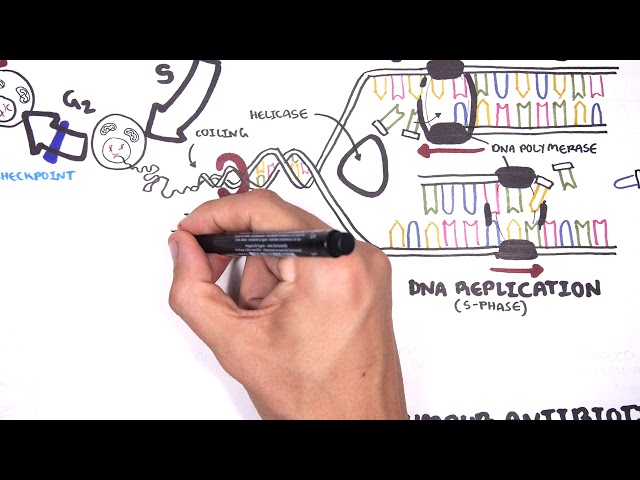
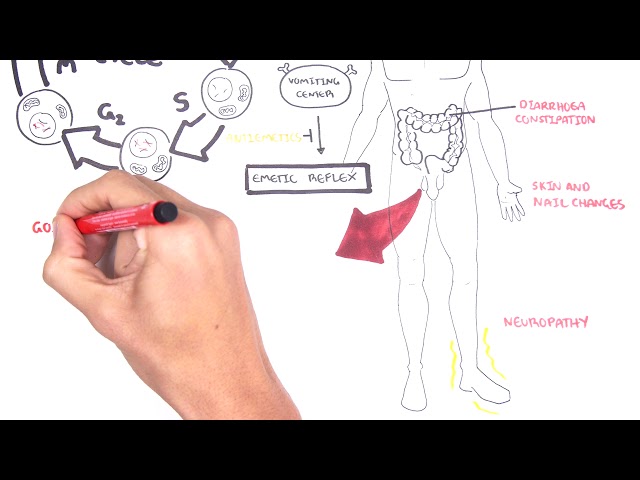
- Chemotherapy: R-CHOP = rituximab + cyclophosphamide + doxorubicin + vincristine + prednisone.
- Adjuncts
- Methotrexate (CNS prophylaxis)
- Mesna (high dose cyclophosphamide or ifosfamide are at risk of haemorrhagic cystitis)
- Radiotherapy
- Targeted therapy (BTK inhibitors, CAR-T)
- Stem cell transplant (selected patients)
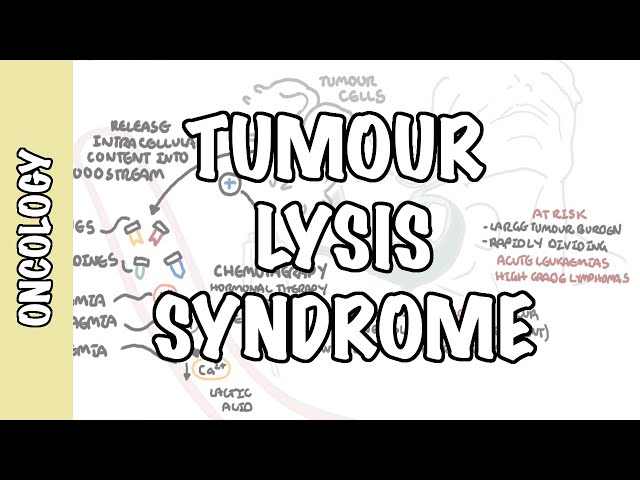
Always assess risk of tumour lysis syndrome, infection, hepatitis B reactivation, fertility issues, and cardiac function before treatment.
Rituximab is used for CD20-positive B-cell lymphomas.
R-CHOP = rituximab + cyclophosphamide + doxorubicin + vincristine + prednisone.
| Treatment Overview | |
| NHL type | Usual first-line approach |
| Diffuse large B-cell lymphoma (DLBCL) | R-CHOP or similar chemoimmunotherapy; aggressive but potentially curable |
| Follicular lymphoma, asymptomatic low burden | Watch and wait |
| Follicular lymphoma, symptomatic/high burden | Anti-CD20 therapy ± chemotherapy, e.g. rituximab-based treatment |
| Burkitt lymphoma | Urgent intensive multi-agent chemotherapy + CNS prophylaxis |
| Mantle cell lymphoma | Immunochemotherapy ± BTK inhibitor; transplant considered in fit younger patients |
| Marginal zone lymphoma | Treat cause if present, e.g. H. pylori eradication in gastric MALT; radiotherapy or rituximab-based therapy if persistent/disseminated |
| Relapsed/refractory aggressive B-cell NHL | Salvage therapy, CAR-T, bispecific antibodies, or transplant depending on fitness and prior response |
Complications & Prognosis
Complications
- Bone marrow failure
- Infections
- Tumour lysis syndrome
- CNS involvement
Prognosis
- Variable depending on subtype
- Indolent lymphomas: long survival, often incurable
- Aggressive lymphomas: potentially curable
- Poor prognostic factors:
- Age
- Elevated LDH
- Advanced stage
- Poor performance status
References
- Swerdlow SH, et al. WHO classification of lymphoid neoplasms. Blood. 2016.
- Armitage JO. The aggressive non-Hodgkin lymphomas. N Engl J Med. 2018.
- NCCN Guidelines for Non-Hodgkin Lymphoma. 2024.
- Tilly H, et al. Diffuse large B-cell lymphoma. Lancet. 2015.
- National Cancer Institute. NHL overview. 2023.




Members only discussions coming soon…