

Visual explanationFree resource
Visual medical education by Armando Hasudungan
Medical science, drawn into focus.
Explore visual explanations that reveal how the facts, processes and clinical patterns fit together—then discover the coming AH study platform, built to guide what you study next and check what stuck.
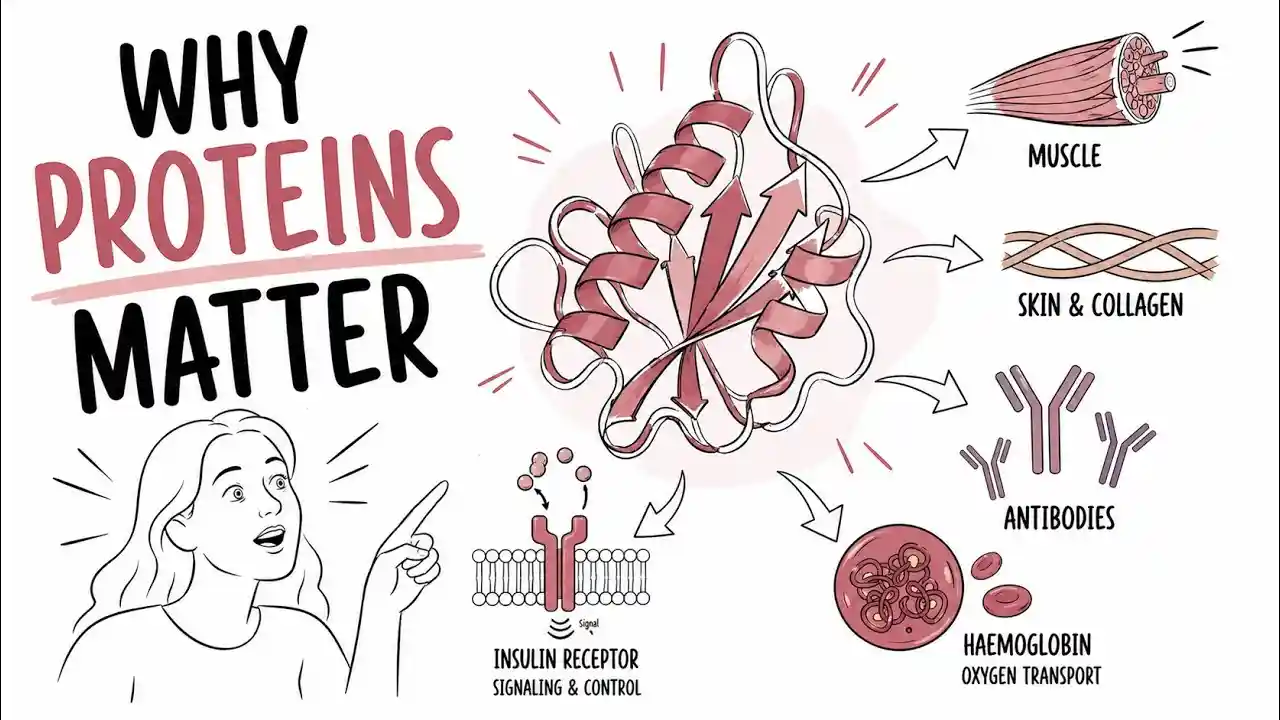
Connected studyComing soon
Clear visual explanations used by medical and allied-health learners around the world.
Explore the free library
Start with the topic in front of you.
Browse by subject or jump straight into the explanation you need. No account required.
Liver Cirrhosis
Overview Cirrhosis is the advanced stage of chronic liver injury characterised by widespread fibrosis, regenerative nodules and distortion of normal hepatic architecture. This causes two major consequences: Portal hypertension Reduced hepatic function Cirrhosis may remain asymptomatic for years before progressing from a compensated to a decompensated stage. Compensated cirrhosis: cirrhosis without major clinical complications. Decompensated…
View topic ↗Cerebral Palsy
Overview Cerebral palsy is a non-Progressive neurological disorder. Usually with significant motor component. Clinical presentation overtime changes due to increased developmental challenges.Cerebral palsy (CP) is the most common physical disability in childhood. Prevalence is about 1 – 3/ 1000 live births. Cerebral palsy can affect: Cerebral cortex – causing spasticity Basal ganglia – causing dyskinesia…
View topic ↗Hypermobility Syndromes
Overview Hypermobility Spectrum Disorder (HSD) describes symptomatic joint hypermobility with musculoskeletal (and sometimes systemic) consequences in people who do not meet the 2017 diagnostic criteria for hypermobile Ehlers–Danlos syndrome (hEDS) or another heritable connective-tissue disorder (HCTD). Prevalence of generalised joint hypermobility varies (≈2–35% depending on age/sex/ethnicity and cut-offs), with symptomatic states more common in females…
View topic ↗Pregnancy (not a disease)
Overview Pregnancy – Overview Physiological Changes in Pregnancy Uterus, Vagina and Breast Physiology changes Uterus (Cervix + Isthmus + Body of uterus) Muscle hypertrophy til 20weeks then stretching till term. Uterine and ovarian arteries undergo hypertrophy Cervix Reduced collagen → allows dilatation Hypertrophy of cervical glands → thick mucus plug Uterine body ↑size, shape, shape and consitency Increases…
View topic ↗Polymyalgia Rheumatica (PMR)
Overview Polymyalgia rheumatica is a common inflammatory condition affecting older adults, typically over 50 years of age, characterised by pain and stiffness in the shoulder and pelvic girdles. It is strongly associated with elevated inflammatory markers and responds dramatically to low-dose corticosteroids. PMR is a clinical diagnosis and can mimic other rheumatic or non-rheumatic disorders.…
View topic ↗Deep Vein Thrombosis
Overview Deep vein thrombosis (DVT) is the formation of a blood clot in a vein deep under the skin 25-50% of surgical patients and many non-surgical patients. 65% of DVT are below the knee are symptomatic and rarely embolism to the lung. There are many causes of DVT. Thrombus: blood clot Thrombosis: blood clot that forms in…
View topic ↗Severe Combined Immunodeficiency (SCID)
Overview Severe combined immunodeficiency (SCID) is the most severe form of primary immunodeficiency, characterised by profound defects in both humoral (B-cell) and cellular (T-cell) immunity. It presents in infancy with recurrent, severe, and opportunistic infections, chronic diarrhoea, and failure to thrive. Without curative therapy, most infants die within the first year of life. Incidence is…
View topic ↗Full resource library
Browse all topics ↗Choose how you learn
One idea. More than one way to see it.
Use the format that helps the topic click, then switch formats when you need to reinforce it.
01 / WATCH02 / READ03 / SEE04 / CHECK
Videos
Hand-drawn explanations that build the big picture as the concept unfolds.
Notes
Clear written explanations for review, reference and filling in the details.
Diagrams
Visual snapshots that help you easily review topics.
Questions
Test whether the explanation stayed with you—not just whether it looked familiar.
Good places to begin
Explanations learners return to.
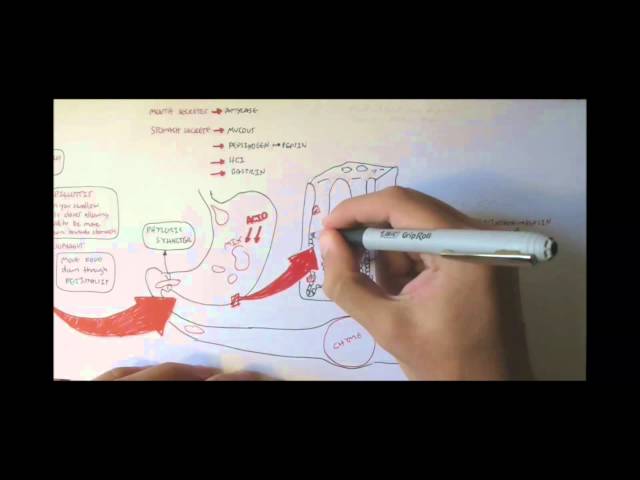
Digestive System Physiology Overview
Get a concise breakdown of digestive system physiology, including essential processes like motility, secretion, digestion, and absorption from mouth to anus. This video simplifies complex GI functions with clear visuals and core concepts—perfect for exam prep and clinical revision.
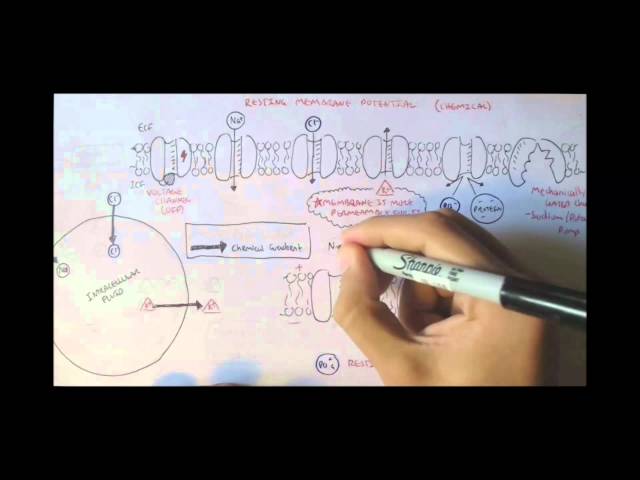
Nervous System – Resting Membrane Potential
Understand the resting membrane potential and how ion gradients and membrane permeability maintain electrical balance in neurons. This high-yield video is essential for grasping nerve physiology in exams like the USMLE, NCLEX, or NEET.
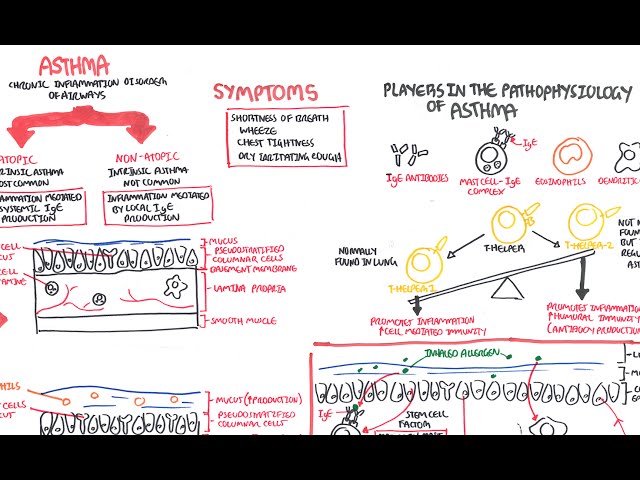
Asthma Pathophysiology
Explore asthma, a chronic inflammatory airway disease characterized by reversible airway obstruction and hyperresponsiveness. This video explains its key signs and symptoms, underlying pathophysiology, and how these contribute to breathing difficulties.
Our mission
Medical science is complex. Understanding it should feel possible.
Armando Hasudungan turns difficult medical science into clear visual explanations and connected learning experiences—so learners can see the whole picture, remember what matters and find a clearer way forward.
See it clearly
Turn abstract processes and invisible relationships into something the learner can picture.
Connect the pieces
Build understanding around how concepts fit together—not a pile of isolated facts.
Make it useful
Help learners move from explanation to recall, revision and the next logical step.
What clarity feels like
When the topic stops being a blur.
Learners do not come back because the subject became easy. They come back because the explanation gave them a picture they could work with.
“Armando's teaching style gives me the foundational knowledge.
Jessica Payne-Burnett
Medical Student, Charles Sturt University
“The notes I make during his videos help me retain everything better.
Ayesha RaiStudent, Islamabad Medical and Dental College
“The drawings are amazing and super easy to remember.
Reem Mohamed Khair Abdalrazig
Student, Neelain University
Coming soon: the AH study platform
The explanation is only the start.
The free library helps you find a clear explanation. The AH platform is being built to help you connect the resources, follow a clearer path and check what actually stuck.
- Watch in a focused, ad-free study environment.
- Move between connected videos, notes, diagrams and questions.
- Know what belongs next instead of rebuilding the study path yourself.
- Test your understanding while the topic is still fresh.
New and worth a look
Keep building the picture.
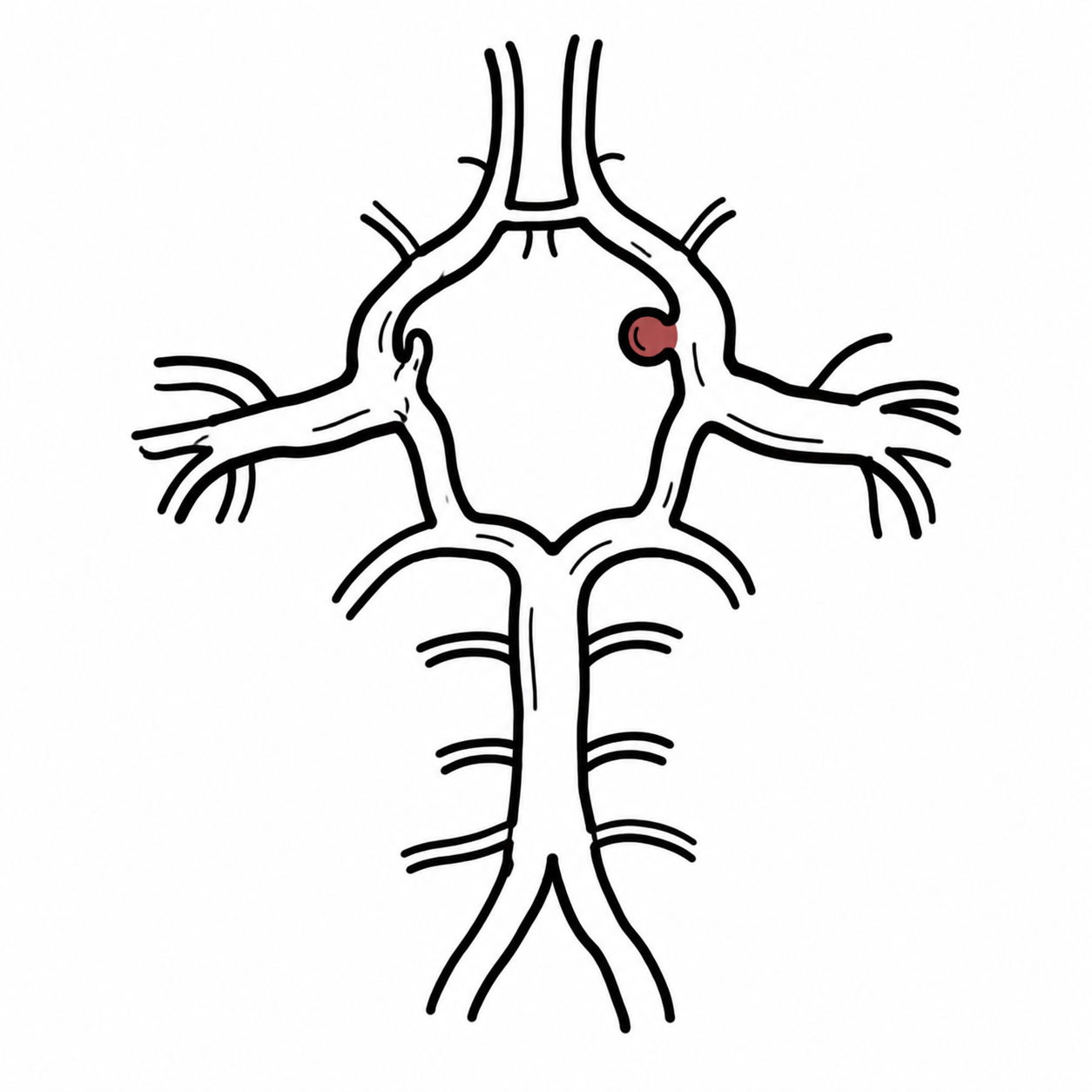
Cerebral Aneurysm
Overview Cerebral (Intracranial) aneurysm is a focal dilation of an intracranial artery due to weakness of the arterial wall. It occurs in roughly 1-5% of adults and can lead to permanent disability. The most common type is a saccular “berry” aneurysm. Most common location is anterior communicating artery. Cerebral aneurysms are typically asymptomatic until rupture,…
View this topic ↗About Visualising Medicine
Good education does not remove complexity. It makes complexity feel simple.
Visualising Medicine is the team behind Armando Hasudungan. We bring together medicine, illustration, writing and technology to make difficult ideas clearer—and build better ways for learners to use them.