

Visual explanationFree resource
Visual medical education by Armando Hasudungan
Medical science, drawn into focus.
Explore visual explanations that reveal how the facts, processes and clinical patterns fit together—then discover the coming AH study platform, built to guide what you study next and check what stuck.
Connected studyComing soon
Clear visual explanations used by medical and allied-health learners around the world.
Explore the free library
Start with the topic in front of you.
Browse by subject or jump straight into the explanation you need. No account required.
Spermatocele
Overview A spermatocele, or spermatic cyst, is a benign fluid-filled cyst arising from the epididymis, usually near the upper pole of the testis. It commonly contains clear or milky fluid with spermatozoa. Most spermatoceles are painless, discovered incidentally and do not require treatment. Epididymis: coiled structure behind the testis that stores and transports sperm. Spermatocele:…
View topic ↗Liver Cirrhosis
Overview Cirrhosis is the advanced stage of chronic liver injury characterised by widespread fibrosis, regenerative nodules and distortion of normal hepatic architecture. This causes two major consequences: Portal hypertension Reduced hepatic function Cirrhosis may remain asymptomatic for years before progressing from a compensated to a decompensated stage. Compensated cirrhosis: cirrhosis without major clinical complications. Decompensated…
View topic ↗Inguinal Hernia
Overview Higher incidence among men 40 to 59 years of age. Although there are many different types of hernias, they are usually related to the abdomen, with approximately 75% of all hernias occurring in the inguinal region. Hernia contains omentum (90% of cases) or intestine (10% of cases). Inguinal hernias are at risk of irreducibility or incarceration, which…
View topic ↗Henoch–Schönlein Purpura (IgA Vasculitis)
Overview Henoch–Schönlein purpura (HSP), now termed IgA vasculitis, is the most common systemic vasculitis in children, characterised by IgA1-dominant immune complex deposition in small vessels, particularly affecting the skin, joints, gastrointestinal tract, and kidneys. It predominantly occurs in children aged 3–10 years, with a slight male predominance, and often follows an upper respiratory tract infection.…
View topic ↗Behçet’s Disease
Overview Behçet’s syndrome is a chronic, relapsing, multisystem inflammatory disorder and variable-vessel vasculitis characterized classically by recurrent oral ulcers, genital ulcers, ocular inflammation, and skin lesions. It can also involve the joints, vessels, nervous system, and gastrointestinal tract. The disease is most prevalent along the historic “Silk Road” region, including Turkey, the Middle East, and…
View topic ↗Community Acquired Pneumonia
Overview Community acquired pneumonia occur in individuals who are not in hospital (or have been in hospital in the past 48 hours) and who are not significantly immunocompromised. The World Health Organization estimates that lower respiratory tract infection is the most common infectious cause of death in the world. Choice of antibiotics are usually empirical…
View topic ↗Alzheimer's Disease
Overview Alzheimer disease is characterised by an insidious onset of symptoms with initial forgetfulness progressing over time to profound memory impairment with accompanying dysphasia, dyspraxia and personality change. Dementia: Clinical syndrome that is characterised by a progressive deterioration in cognition with resulting decline in function. Alzheimer disease: Characterised by an insidious onset of symptoms with initial…
View topic ↗Full resource library
Browse all topics ↗Choose how you learn
One idea. More than one way to see it.
Use the format that helps the topic click, then switch formats when you need to reinforce it.
01 / WATCH02 / READ03 / SEE04 / CHECK
Videos
Hand-drawn explanations that build the big picture as the concept unfolds.
Notes
Clear written explanations for review, reference and filling in the details.
Diagrams
Visual snapshots that help you easily review topics.
Questions
Test whether the explanation stayed with you—not just whether it looked familiar.
Good places to begin
Explanations learners return to.
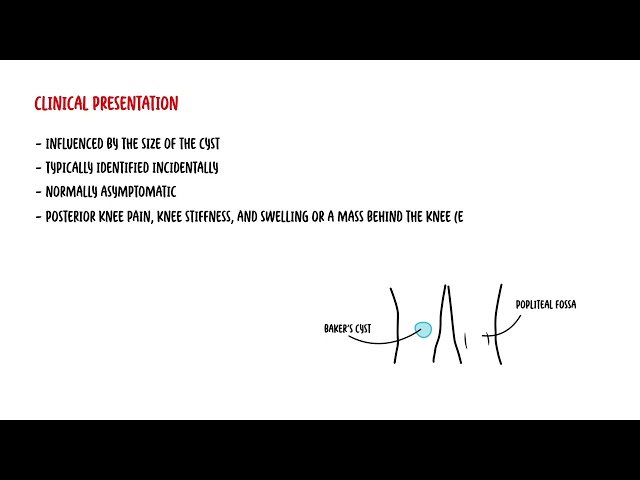
Baker's Cyst Knee – posterior knee swelling and pain
Baker’s cysts, also known as popliteal cysts, are among the most common knee disorders. These fluid-filled cysts develop at the back of the knee in the popliteal fossa and result from the enlargement of the gastrocnemius-semimembranosus bursa, a bursa located between the gastrocnemius and semimembranosus muscles. Baker’s cysts typically form in adults due to knee…
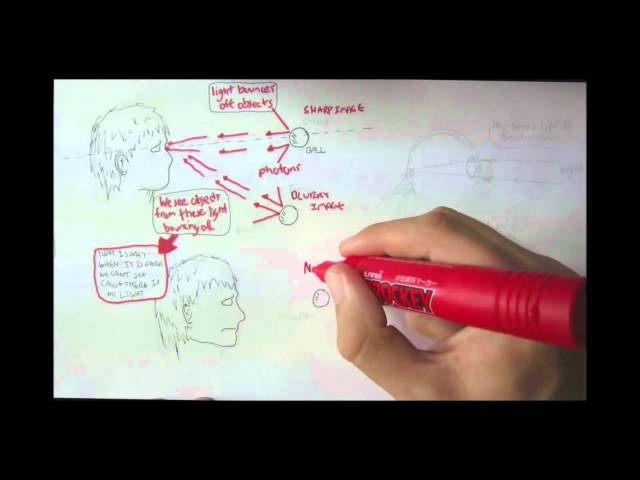
Vision Physiology Introduction
Gain a clear understanding of vision physiology, from light entering the eye to signal processing in the retina and brain. This high-yield introduction is perfect for mastering the basics of visual pathways for exams like the USMLE, NEET, or MCAT.
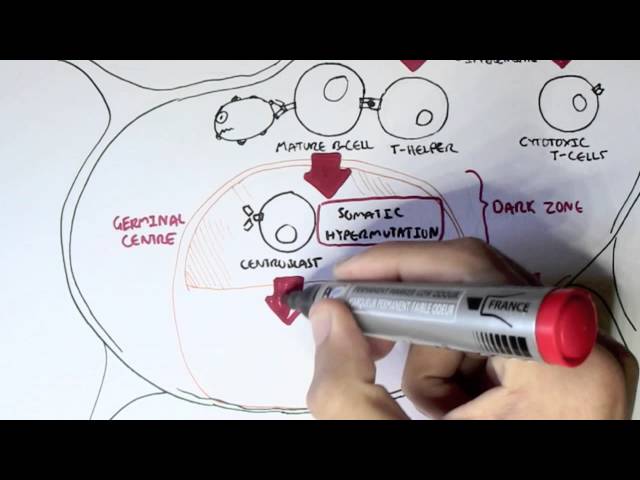
Immunology – Antibody (BCR) and TCR Diversity
Understand how BCR (antibody) and TCR diversity is generated through gene rearrangement, junctional diversity, and somatic hypermutation in this educational immunology video. Essential for mastering adaptive immunity, this video breaks down the molecular mechanisms that ensure immune specificity and antigen recognition.
Our mission
Medical science is complex. Understanding it should feel possible.
Armando Hasudungan turns difficult medical science into clear visual explanations and connected learning experiences—so learners can see the whole picture, remember what matters and find a clearer way forward.
See it clearly
Turn abstract processes and invisible relationships into something the learner can picture.
Connect the pieces
Build understanding around how concepts fit together—not a pile of isolated facts.
Make it useful
Help learners move from explanation to recall, revision and the next logical step.
What clarity feels like
When the topic stops being a blur.
Learners do not come back because the subject became easy. They come back because the explanation gave them a picture they could work with.
“Armando's teaching style gives me the foundational knowledge.
Jessica Payne-Burnett
Medical Student, Charles Sturt University
“The notes I make during his videos help me retain everything better.
Ayesha RaiStudent, Islamabad Medical and Dental College
“The drawings are amazing and super easy to remember.
Reem Mohamed Khair Abdalrazig
Student, Neelain University
Coming soon: the AH study platform
The explanation is only the start.
The free library helps you find a clear explanation. The AH platform is being built to help you connect the resources, follow a clearer path and check what actually stuck.
- Watch in a focused, ad-free study environment.
- Move between connected videos, notes, diagrams and questions.
- Know what belongs next instead of rebuilding the study path yourself.
- Test your understanding while the topic is still fresh.
New and worth a look
Keep building the picture.
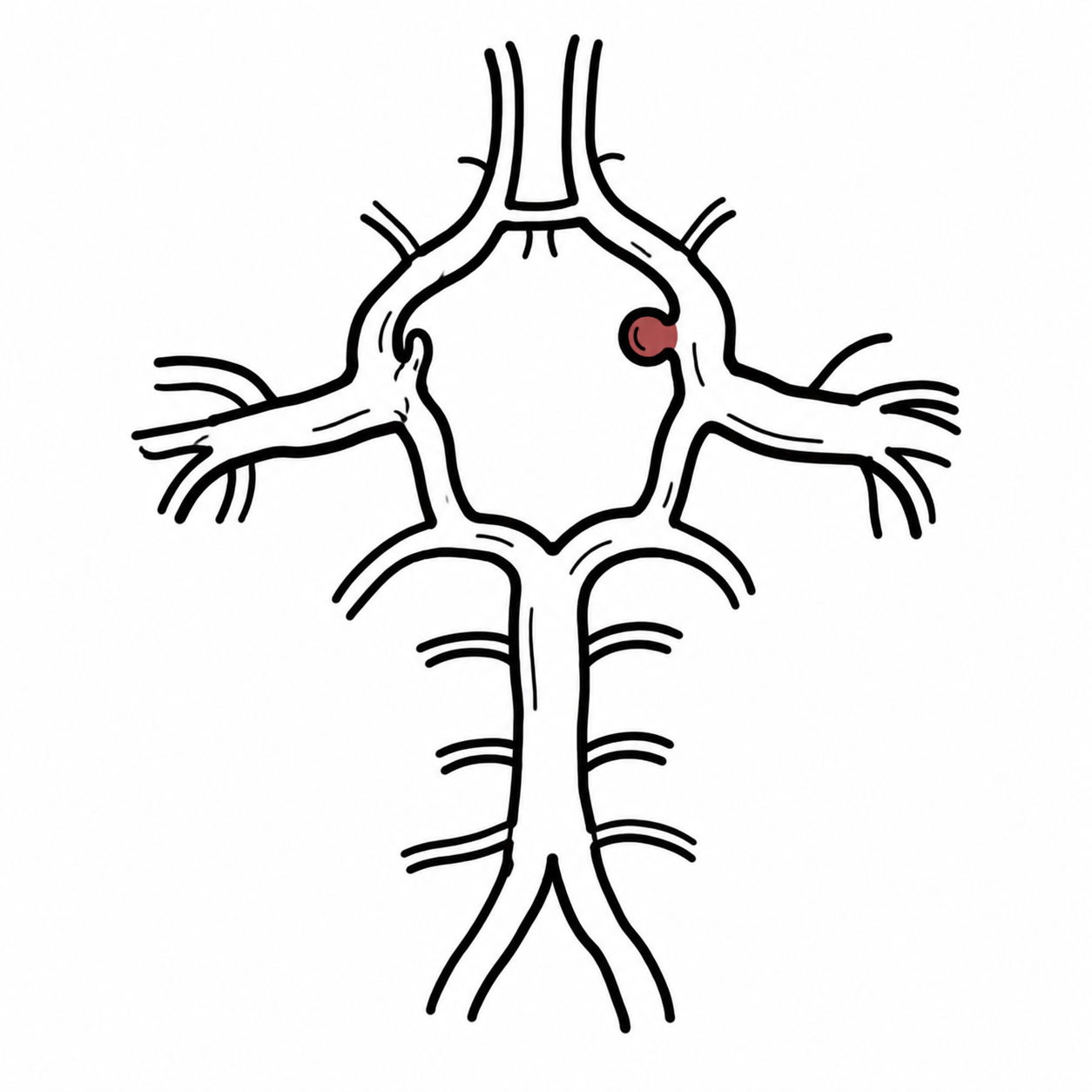
Cerebral Aneurysm
Overview Cerebral (Intracranial) aneurysm is a focal dilation of an intracranial artery due to weakness of the arterial wall. It occurs in roughly 1-5% of adults and can lead to permanent disability. The most common type is a saccular “berry” aneurysm. Most common location is anterior communicating artery. Cerebral aneurysms are typically asymptomatic until rupture,…
View this topic ↗About Visualising Medicine
Good education does not remove complexity. It makes complexity feel simple.
Visualising Medicine is the team behind Armando Hasudungan. We bring together medicine, illustration, writing and technology to make difficult ideas clearer—and build better ways for learners to use them.