

Visual explanationFree resource
Visual medical education by Armando Hasudungan
Medical science, drawn into focus.
Explore visual explanations that reveal how the facts, processes and clinical patterns fit together—then discover the coming AH study platform, built to guide what you study next and check what stuck.
Connected studyComing soon
Clear visual explanations used by medical and allied-health learners around the world.
Explore the free library
Start with the topic in front of you.
Browse by subject or jump straight into the explanation you need. No account required.
Hypercholesterolaemia
Overview Higher levels of cholesterol associated with worse CV outcomes. Three main types that are measured: VLDL, LDL and HDL. High LDL is associated with a significant increase in cardiovascular problems. Hypercholesterolaemia can also run in families. Lifestyle modification aim to reduce cardiovascular risk. Pharmacological agents are lipid lowering drugs, statins being first-line. Lipid Physiology…
View topic ↗Transient Ischaemic Attack (TIA)
Overview Transient ischemic attack is defined as transient neurologic symptoms without evidence of acute infarction. It is a common and important risk factor for future stroke. TIAs are produced by temporary ischemia to a vascular territory, usually caused by thrombosis or embolism and less commonly by vasculitis, hematologic disorders such as sickle cell disease or…
View topic ↗Hyperparathyroidism
This section will mainly focus on Primary Parathyroidism Overview Primary Hyperparathyroidism (PHPT) is generalised disorder calcium, phosphate and bone metabolism due to increased secretion of parathyroid hormone normally leading to hypercalcaemia and hypophosphatemia. PHPT may present with recurrent nephrolithiasis, peptic ulcers, mental and muscle changes and less frequently bone resorption. Frequently, routine blood tests will…
View topic ↗Nephritic Syndrome
Overview Nephritic syndrome is one of two clinical patterns seen in glomerular disease. Nephritic Syndrome is characterised by haematuria, proteinuria, hypertension and oligouria. Nephritic syndrome can be further classified based on light microscopic features: Focal Diffuse Glomerular Disease: Disease effecting the glomerulus. Glomerular disease reduces the ability of the kidneys to maintain a balance of certain substances in…
View topic ↗Melanoma
Overview Melanoma accounts for 4 percent of all dermatological cancer. Melanoma has the highest mortality rate of all dermatological cancers, only 14 percent of patients with metastatic melanoma survive for five years. Melanoma is one of the most common cancers in young adults. Melanoma Overview Anatomy and Physiology The skin consist of three layers, from superficial…
View topic ↗Liver Mass I Tumour
Author Armando Faigl MBBS Areej zeeshan Overview Liver tumors are divided into Benign and Malignant. Most liver tumors are benign, asymptomatic and found incidentally on unrelated imaging. Malignant liver tumours are associated with risk factors (Hep C, Cirrhosis) and present with a spectrum of clinical signs and symptoms such as right upper quadrant pain and…
View topic ↗Pseudogout: Calcium Pyrophosphate Deposition Disease
Overview Pseudogout, more accurately known as calcium pyrophosphate deposition disease (CPPD), is a crystal arthropathy characterized by the deposition of calcium pyrophosphate dihydrate crystals in articular cartilage and soft tissues, leading to joint inflammation. It most commonly affects elderly individuals, especially over the age of 60, with a slight female predominance. Clinically, it often mimics…
View topic ↗Full resource library
Browse all topics ↗Choose how you learn
One idea. More than one way to see it.
Use the format that helps the topic click, then switch formats when you need to reinforce it.
01 / WATCH02 / READ03 / SEE04 / CHECK
Videos
Hand-drawn explanations that build the big picture as the concept unfolds.
Notes
Clear written explanations for review, reference and filling in the details.
Diagrams
Visual snapshots that help you easily review topics.
Questions
Test whether the explanation stayed with you—not just whether it looked familiar.
Good places to begin
Explanations learners return to.
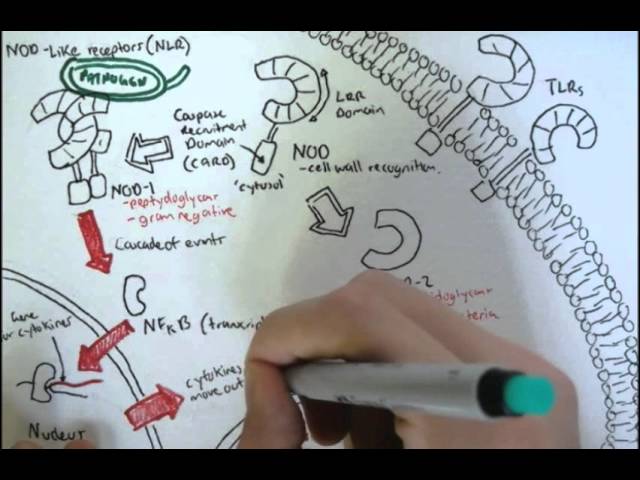
Immunology Innate Immunity (NOD Like Receptors)
Learn about NOD-Like Receptors (NLRs) in this immunology video, focusing on their role in detecting intracellular pathogens and initiating inflammatory responses. Ideal for exam prep, this video breaks down NLR types, inflammasome activation, and their significance in innate immunity.

COVID-19 (SARS Coronavirus 2) – timeline, pathophysiology (ARDS), coronavirus life cycle, treatment
Explore COVID-19 caused by SARS-CoV-2, including its timeline of infection, viral life cycle, and mechanisms leading to complications like ARDS. This video also covers the pathophysiology of severe disease and highlights current treatment approaches and therapeutic targets.
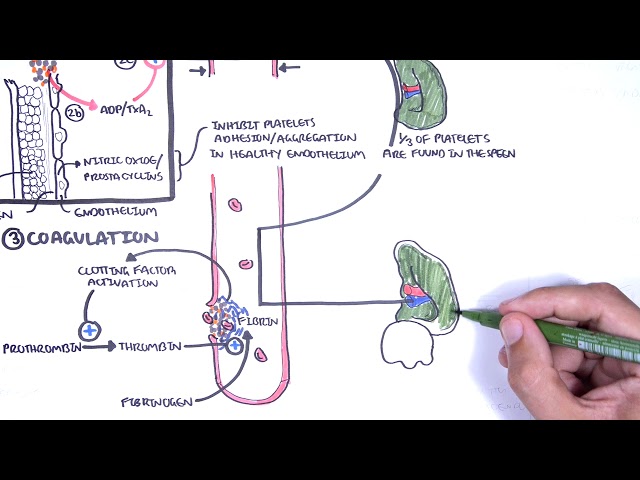
Thrombocytopaenia (low platelets) Overview – platelet physiology, classification, pathophysiology
Learn the basics of thrombocytopaenia, including platelet physiology, classification, and the key mechanisms behind low platelet counts. This video breaks down common causes and how they affect clotting and overall hemostasis.
Our mission
Medical science is complex. Understanding it should feel possible.
Armando Hasudungan turns difficult medical science into clear visual explanations and connected learning experiences—so learners can see the whole picture, remember what matters and find a clearer way forward.
See it clearly
Turn abstract processes and invisible relationships into something the learner can picture.
Connect the pieces
Build understanding around how concepts fit together—not a pile of isolated facts.
Make it useful
Help learners move from explanation to recall, revision and the next logical step.
What clarity feels like
When the topic stops being a blur.
Learners do not come back because the subject became easy. They come back because the explanation gave them a picture they could work with.
“Armando's teaching style gives me the foundational knowledge.
Jessica Payne-Burnett
Medical Student, Charles Sturt University
“The notes I make during his videos help me retain everything better.
Ayesha RaiStudent, Islamabad Medical and Dental College
“The drawings are amazing and super easy to remember.
Reem Mohamed Khair Abdalrazig
Student, Neelain University
Coming soon: the AH study platform
The explanation is only the start.
The free library helps you find a clear explanation. The AH platform is being built to help you connect the resources, follow a clearer path and check what actually stuck.
- Watch in a focused, ad-free study environment.
- Move between connected videos, notes, diagrams and questions.
- Know what belongs next instead of rebuilding the study path yourself.
- Test your understanding while the topic is still fresh.
New and worth a look
Keep building the picture.
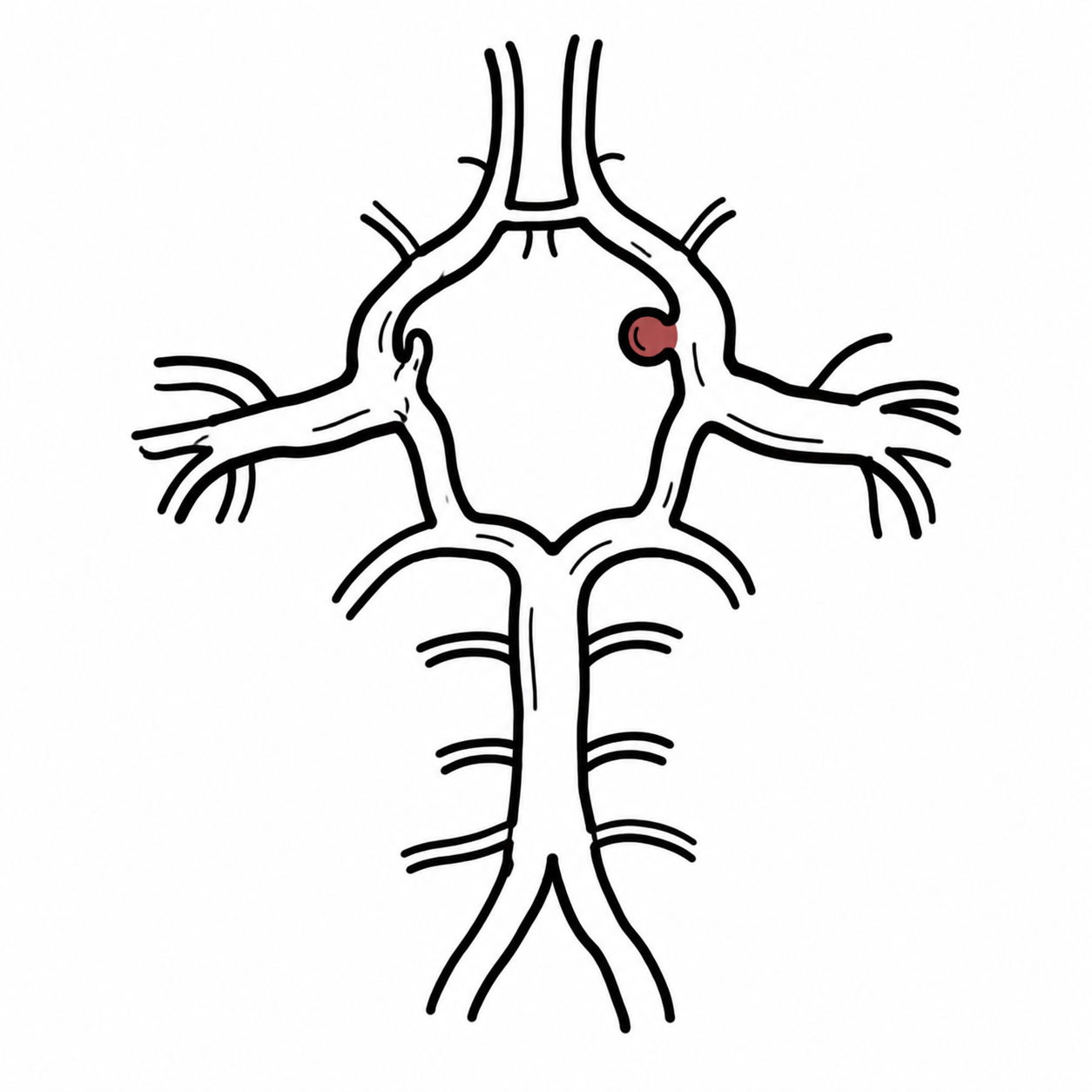
Cerebral Aneurysm
Overview Cerebral (Intracranial) aneurysm is a focal dilation of an intracranial artery due to weakness of the arterial wall. It occurs in roughly 1-5% of adults and can lead to permanent disability. The most common type is a saccular “berry” aneurysm. Most common location is anterior communicating artery. Cerebral aneurysms are typically asymptomatic until rupture,…
View this topic ↗About Visualising Medicine
Good education does not remove complexity. It makes complexity feel simple.
Visualising Medicine is the team behind Armando Hasudungan. We bring together medicine, illustration, writing and technology to make difficult ideas clearer—and build better ways for learners to use them.