

Visual explanationFree resource
Visual medical education by Armando Hasudungan
Medical science, drawn into focus.
Explore visual explanations that reveal how the facts, processes and clinical patterns fit together—then discover the coming AH study platform, built to guide what you study next and check what stuck.
Connected studyComing soon
Clear visual explanations used by medical and allied-health learners around the world.
Explore the free library
Start with the topic in front of you.
Browse by subject or jump straight into the explanation you need. No account required.
Thyroiditis
Overview Thyroiditis: Varied group of disorder all characterized by some form of thyroid inflammation Hyperthyroidism: denote conditions in which hyperfunction of the thyroid leads to thyrotoxicosis. Hypothyroidism: Variety of abnormalities that cause insufficient secretion of thyroid hormones. The most common cause is autoimmune thyroid disease Thyrotoxicosis: denotes the clinical, physiological, and biochemical findings that result…
View topic ↗Substance Dependence (Addiction), Withdrawal and Overdose
Overview of addition medicine. This section is a brief introduction to substance abuse, followed by section that look at specific drugs of addiction. Substance Misuse: Consumption above designated low risk levels Substance Abuse: repetitive substance use resulting in social complications (financial, occupational and legal) Substance Tolerance: Defined by either of the following: a need for…
View topic ↗Rheumatoid Arthritis
Overview Rheumatoid arthritis is a common systemic inflammatory disease characterized by the presence of a destructive polyarthritis with a predisposition for affecting the small joints of the hands and feet and the wrists. Rheumatoid arthritis (RA) is the most common inflammatory arthritis, with a lifetime prevalence of up to 1 percent worldwide. Like many autoimmune diseases, the etiology…
View topic ↗Valvular Heart Disease
Overview Valvular disease can come to clinical attention due to stenosis, insufficiency (regurgitation/incompetence) or both. Stenosis is the failure of a valve to open completely, which impedes forward flow. Insufficiency results from failure of a valve to close completely, thereby allows reversed flow. Doppler echocardiogram is the best technique for assessing patients with valvular heart disease, but…
View topic ↗Coeliac Disease
Overview Coeliac disease is a systemic autoimmune disease triggered (T-lymphocytes) by dietary gluten peptides found in wheat, rye, barley, and related grains. Immune activation in the small intestine leads to villous atrophy, hypertrophy of the intestinal crypts, and increased numbers of lymphocytes in the epithelium and lamina propria. Locally these changes lead to gastrointestinal symptoms and malabsorption.…
View topic ↗Breast Cancer
"A 35 Year old women presents with a 1cm hard lump in the upper quadrant of her right breast. She first noticed this when she was in the shower three months ago. She is worried that the lump might be malignant" Overview Breast cancer is the most common cancer in women worldwide. It accounts for…
View topic ↗Pneumonia
Overview Pneumonia is infection in the lower respiratory tract and is characterised by fevers, purulent sputum, leucocytosis, low oxygen levels and new lung infiltrates (consolidation) on radiographic imaging. The infection is identified by the site of consolidation. Consolidation is where the lung tissue is filled with fluid (ie. water, blood, pus, microbes). Types of pneumonia…
View topic ↗Full resource library
Browse all topics ↗Choose how you learn
One idea. More than one way to see it.
Use the format that helps the topic click, then switch formats when you need to reinforce it.
01 / WATCH02 / READ03 / SEE04 / CHECK
Videos
Hand-drawn explanations that build the big picture as the concept unfolds.
Notes
Clear written explanations for review, reference and filling in the details.
Diagrams
Visual snapshots that help you easily review topics.
Questions
Test whether the explanation stayed with you—not just whether it looked familiar.
Good places to begin
Explanations learners return to.
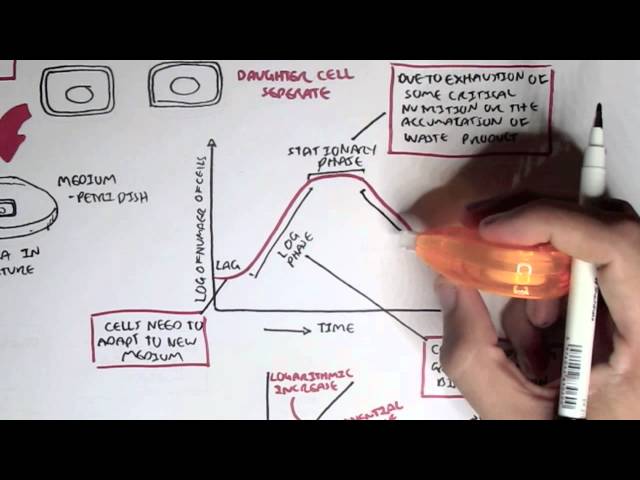
Bacterial growth – reproduction, phases, and requirements
Understand how bacteria grow and reproduce through binary fission and explore the factors that influence their growth. This video also covers the classification of bacteria based on shape, staining, and metabolic characteristics.
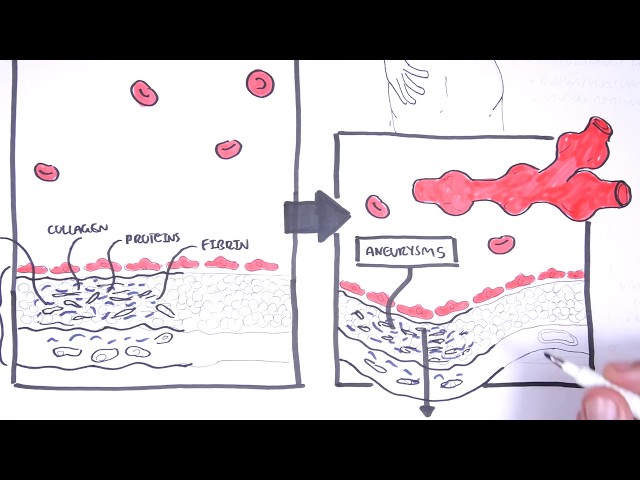
Polyarteritis Nodosa and Kawasaki Disease (Medium Vessel Vasculitis) – Symptoms, pathophysiology
Polyarteritis Nodosa and Kawasaki Disease are types of medium vessel vasculitis with distinct clinical presentations and vascular involvement. This video explores their key symptoms, underlying pathophysiology, and differences in disease mechanisms.
Febrile Neutropenia – Pathophysiology and Management
Febrile neutropenia is a potentially life-threatening oncologic emergency—learn its causes, diagnosis, and immediate management to protect chemotherapy patients. In this concise, clinically focused video you’ll understand what febrile neutropenia is, why neutrophils matter, and how chemotherapy-induced neutropenia (often 5–10 days after treatment) predisposes patients to rapid sepsis. Key concepts covered include neutrophil biology (primary and…
Our mission
Medical science is complex. Understanding it should feel possible.
Armando Hasudungan turns difficult medical science into clear visual explanations and connected learning experiences—so learners can see the whole picture, remember what matters and find a clearer way forward.
See it clearly
Turn abstract processes and invisible relationships into something the learner can picture.
Connect the pieces
Build understanding around how concepts fit together—not a pile of isolated facts.
Make it useful
Help learners move from explanation to recall, revision and the next logical step.
What clarity feels like
When the topic stops being a blur.
Learners do not come back because the subject became easy. They come back because the explanation gave them a picture they could work with.
“Armando's teaching style gives me the foundational knowledge.
Jessica Payne-Burnett
Medical Student, Charles Sturt University
“The notes I make during his videos help me retain everything better.
Ayesha RaiStudent, Islamabad Medical and Dental College
“The drawings are amazing and super easy to remember.
Reem Mohamed Khair Abdalrazig
Student, Neelain University
Coming soon: the AH study platform
The explanation is only the start.
The free library helps you find a clear explanation. The AH platform is being built to help you connect the resources, follow a clearer path and check what actually stuck.
- Watch in a focused, ad-free study environment.
- Move between connected videos, notes, diagrams and questions.
- Know what belongs next instead of rebuilding the study path yourself.
- Test your understanding while the topic is still fresh.
New and worth a look
Keep building the picture.
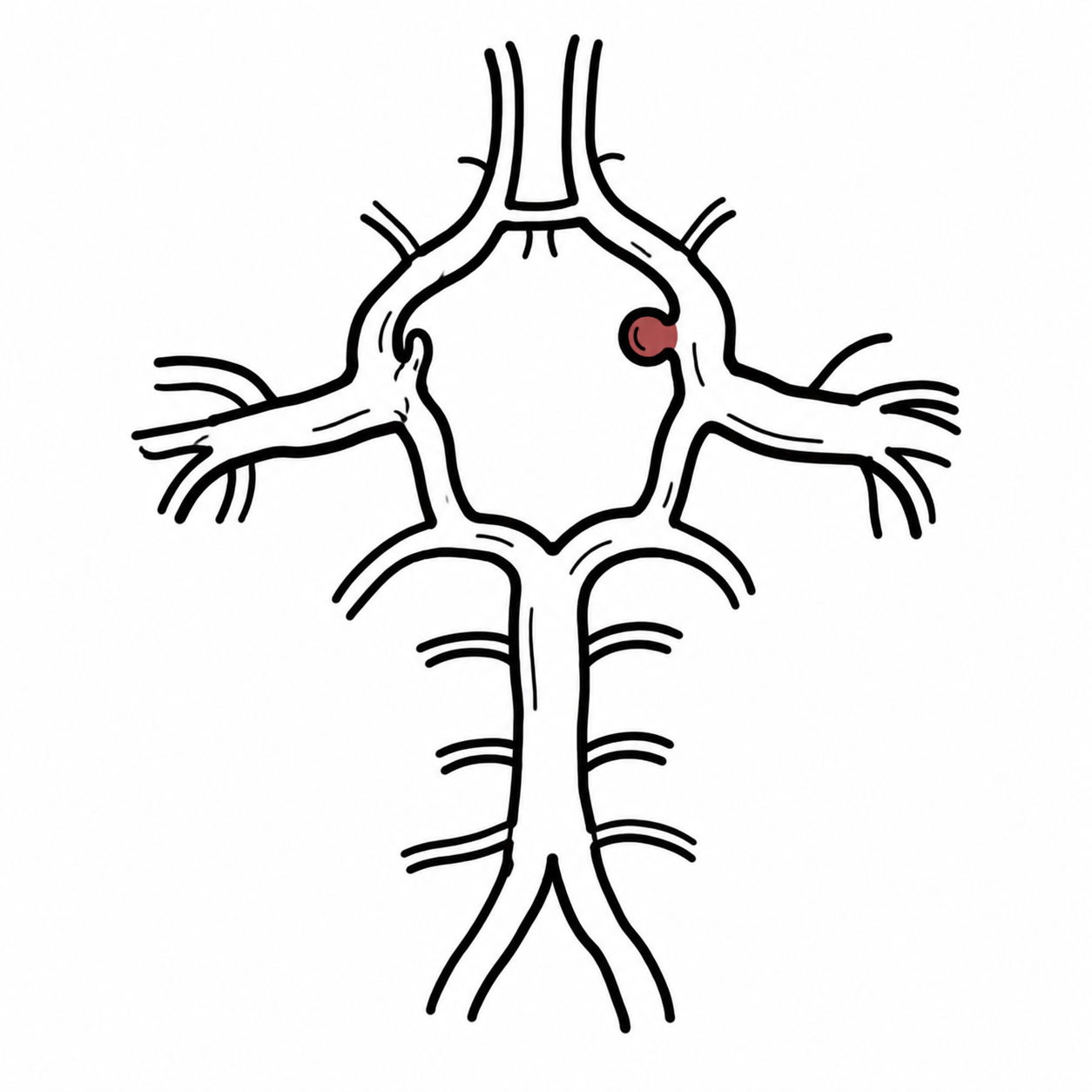
Cerebral Aneurysm
Overview Cerebral (Intracranial) aneurysm is a focal dilation of an intracranial artery due to weakness of the arterial wall. It occurs in roughly 1-5% of adults and can lead to permanent disability. The most common type is a saccular “berry” aneurysm. Most common location is anterior communicating artery. Cerebral aneurysms are typically asymptomatic until rupture,…
View this topic ↗About Visualising Medicine
Good education does not remove complexity. It makes complexity feel simple.
Visualising Medicine is the team behind Armando Hasudungan. We bring together medicine, illustration, writing and technology to make difficult ideas clearer—and build better ways for learners to use them.