

Tuberculosis
Overview
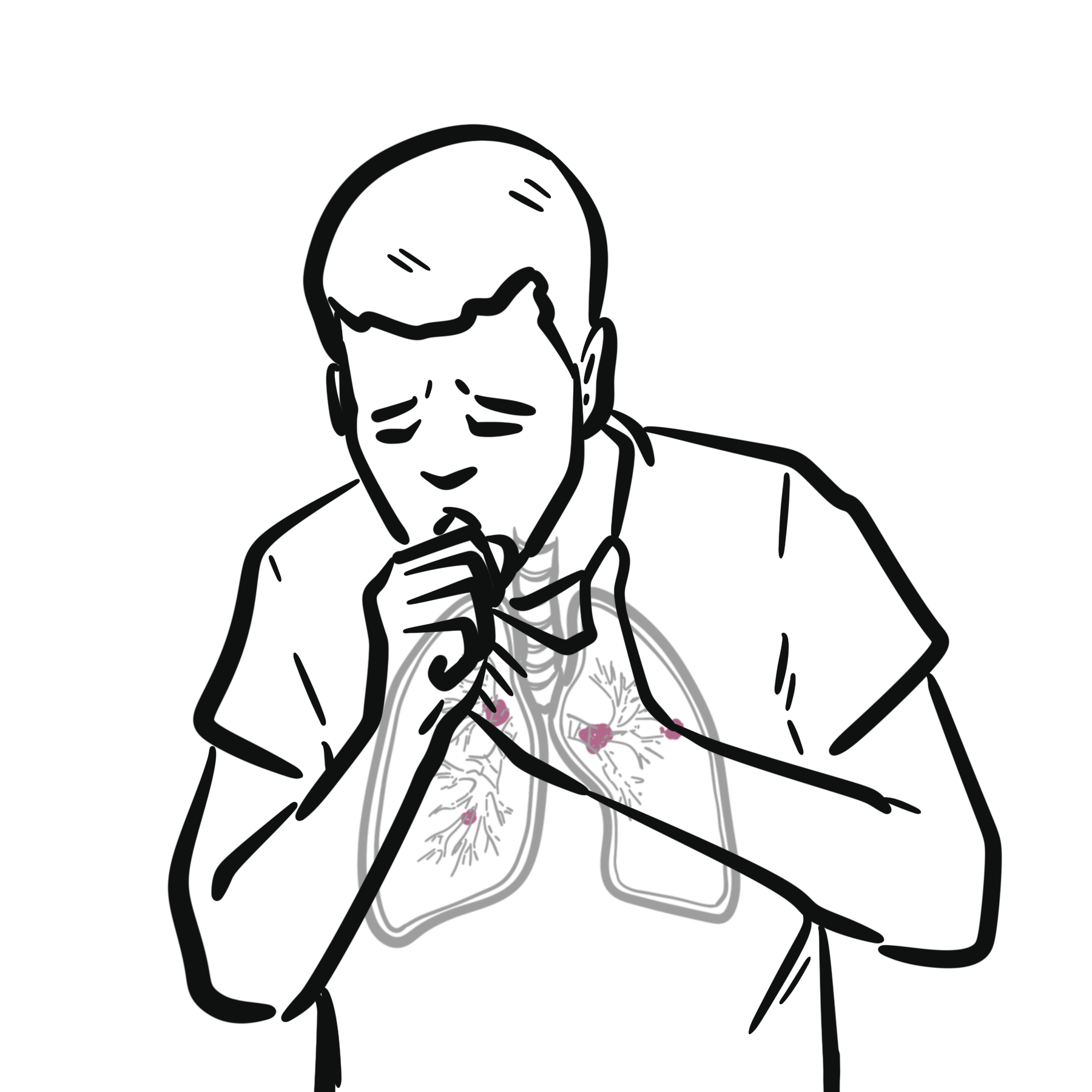
Tuberculosis (TB) is a chronic, communicable infectious disease caused by the acid-fast bacillus Mycobacterium tuberculosis. It primarily affects the pulmonary parenchyma but possesses the capacity to disseminate to virtually any organ system via hematogenous and lymphatic spread. TB remains one of the leading infectious causes of mortality worldwide, representing a major global public health challenge closely linked to social determinants of health, poverty, and immunosuppression.
The disease exists on a dynamic spectrum ranging from asymptomatic Latent Tuberculosis Infection (LTBI), where the host immune response successfully contains the pathogen within granulomas, to active, progressive Tuberculosis disease characterized by tissue destruction, caseating necrosis, and high risk of transmission. Early diagnostic identification, appropriate multi-drug antimicrobial therapy, and rigorous contact tracing are essential to control individual morbidity and interrupt population-level transmission pathways.
Definition
Ghon Focus: A small, subpleural primary focus of tuberculous granulomatous inflammation, typically located in the lower region of the upper lobe or upper region of the lower lobe.
Ghon Complex: The combination of a Ghon focus and its draining ipsilateral hilar lymph node involvement.
Ranke Complex: A calcified, fibrotic evolution of a Ghon complex visible on chest radiography, representing healed primary infection.
Caseating Granuloma: A pathognomonic histological lesion characterized by a central zone of acellular, soft, cheese-like necrotic debris surrounded by epithelioid histiocytes, Langhans giant cells, and a peripheral lymphocytic rim.
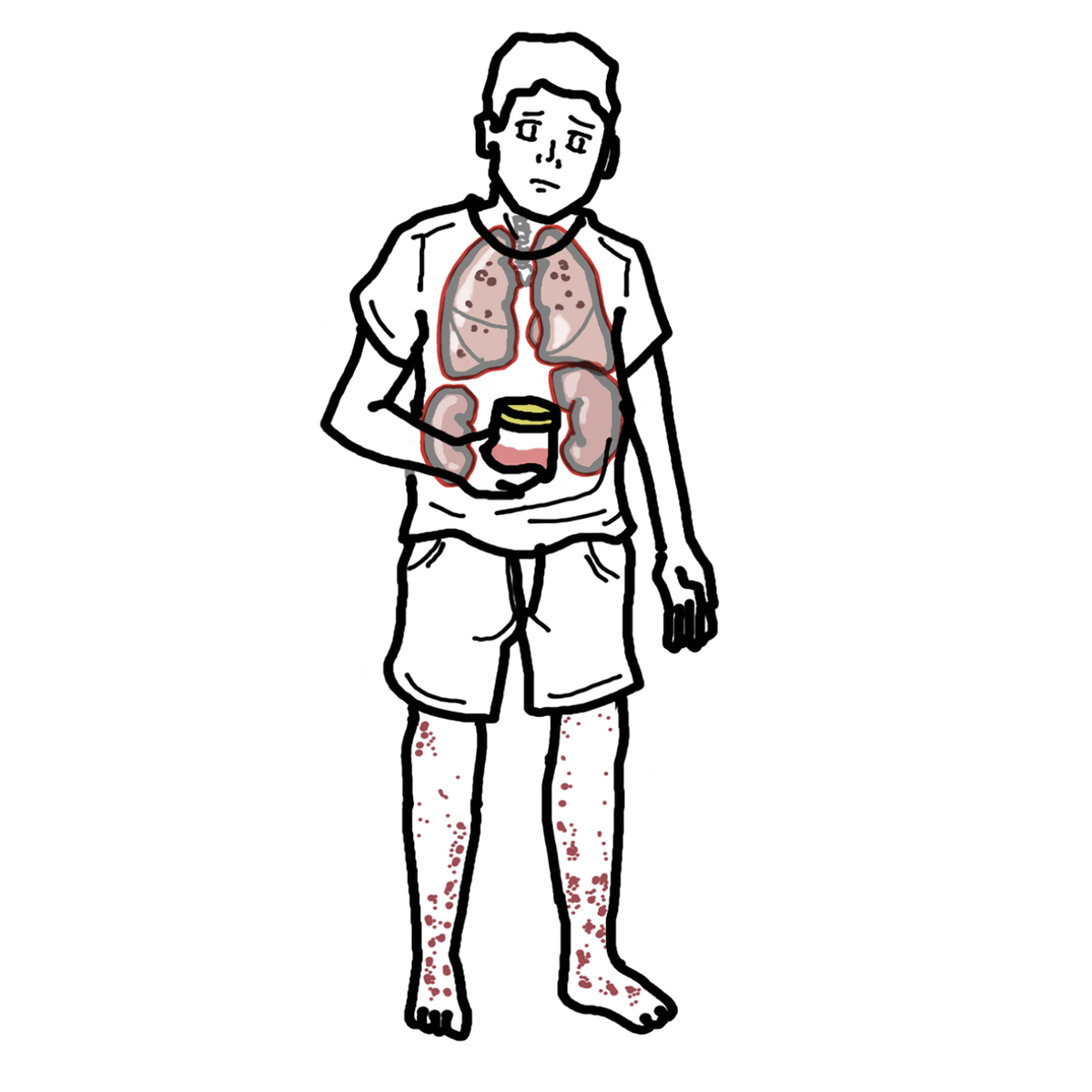
Miliary Tuberculosis: A severe, potentially fatal form of disseminated tuberculosis resulting from hematogenous seeding of M. tuberculosis, producing tiny, uniform “millet-seed” nodules (1–2 mm) throughout multiple organs.
Classification
By Disease State
- Latent Tuberculosis Infection (LTBI): Ingestion and containment of M. tuberculosis by host macrophages without active bacterial replication; patients are asymptomatic, non-infectious, have normal chest imaging, but display positive immune reactivity (TST or IGRA).
- Active Tuberculosis Disease: Symptomatic disease characterized by actively replicating bacilli, tissue necrosis, and potential contagiousness.
By Drug Resistance Profile
- Drug-Susceptible TB: Infection responsive to standard first-line antitubercular medications.
- Multidrug-Resistant TB (MDR-TB): In vitro resistance to at least Rifampicin and Isoniazid.
- Extensively Drug-Resistant TB (XDR-TB): Resistance to Rifampicin and Isoniazid, PLUS resistance to any fluoroquinolone AND at least one additional Group A drug (e.g., Bedaquiline or Linezolid).
Multidrug-Resistant TB (MDR-TB) is defined specifically as resistance to BOTH Rifampicin and Isoniazid, the two most potent first-line agents.
Aetiology & Risk Factors
Etiology & Transmission
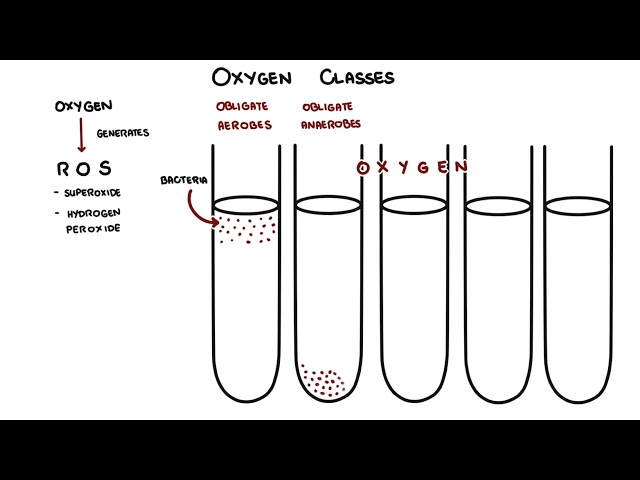
- Causative Agent: Mycobacterium tuberculosis, an obligate aerobic, slow-growing, non-motile, acid-fast bacillus with a lipid-rich cell wall (mycolic acid).
- Mode of Transmission: Airborne droplet nuclei (1–5 um) generated when individuals with active pulmonary or laryngeal TB cough, sneeze, speak, or sing.
High-Risk Populations & Factors
- Immunosuppression (Single Strongest Risk Factor): HIV/AIDS (increases lifetime risk of active TB from 10% to 10% per year), organ transplantation, end-stage renal disease, prolonged systemic corticosteroid use, and TNF-alpha inhibitor therapy.
- Socioeconomic & Environmental Factors: Overcrowded or poorly ventilated living environments (shelters, correctional facilities, refugee camps), malnutrition, poverty, and healthcare workers with occupational exposure.
- Substance Use & Comorbidities: Diabetes mellitus, silicosis, active cigarette smoking, alcohol use disorder, and intravenous drug use.
Patients scheduled to start TNF-alpha inhibitors (e.g., Infliximab, Adalimumab) MUST be screened for Latent TB prior to initiating therapy, as TNF-alpha is essential for maintaining granuloma integrity.
Pathophysiology
- Phagocytosis & Intracellular Survival: Mycobacteria reach alveolar spaces and are ingested by alveolar macrophages, where they inhibit phagolysosome fusion to replicate intracellularly.
- Cell-Mediated Immune Response: Dendritic cells transport antigens to local lymph nodes, triggering a Type IV delayed-type hypersensitivity reaction. CD4+ T-cells release Interferon-gamma (IFN-g) and TNF-alpha, activating macrophages into epithelioid cells and multinucleated Langhans giant cells.
- Granuloma Formation & Caseation: Aggregated immune cells surround the infection to form a granuloma. Central hypoxia and immune cytotoxicity lead to caseating (cheese-like) necrosis, which limits bacterial proliferation.
- Reactivation: Secondary TB occurs when waning cell-mediated immunity allows bacilli in necrotic centers to liquefy, multiply, and break into airways, causing cavitation.
The central mechanism of host defense in TB is Type IV delayed-type hypersensitivity driven by CD4+ Th1 lymphocytes secreting Interferon-gamma.
Clinical Manifestations
Systemic Constitutional Features
- B-Symptoms: Low-grade evening fevers, drenching night sweats, anorexia, and progressive involuntary weight loss.
- General Features: Chronic fatigue, malaise, and generalized weakness.
Pulmonary Manifestations
- Chronic Cough: Persistent cough lasting > 2–3 weeks, initially non-productive, progressing to mucopurulent sputum.
- Hemoptysis: Blood-streaked sputum or frank hemoptysis due to cavitary erosion of bronchial or pulmonary vessels (Rasmussen aneurysm).
- Pleuritic Chest Pain & Dyspnoea: Occurs with subpleural involvement, tuberculous pleural effusion, or extensive parenchymal destruction.
Extrapulmonary Manifestations
- Tuberculous Lymphadenitis (Scrofula): Painless, matted, firm or cold swelling of cervical lymph nodes.
- Central Nervous System (TB Meningitis): Subacute onset of headache, confusion, fever, neck stiffness, and cranial nerve palsies (CN VI palsy most common) due to basal meningeal exudate.
- Musculoskeletal (Pott Disease): Tuberculous spondylitis affecting the anterior vertebral bodies (typically thoracic/lumbar), causing destruction, anterior wedging, kyphosis (gibbus deformity), and cold paraspinal abscesses.
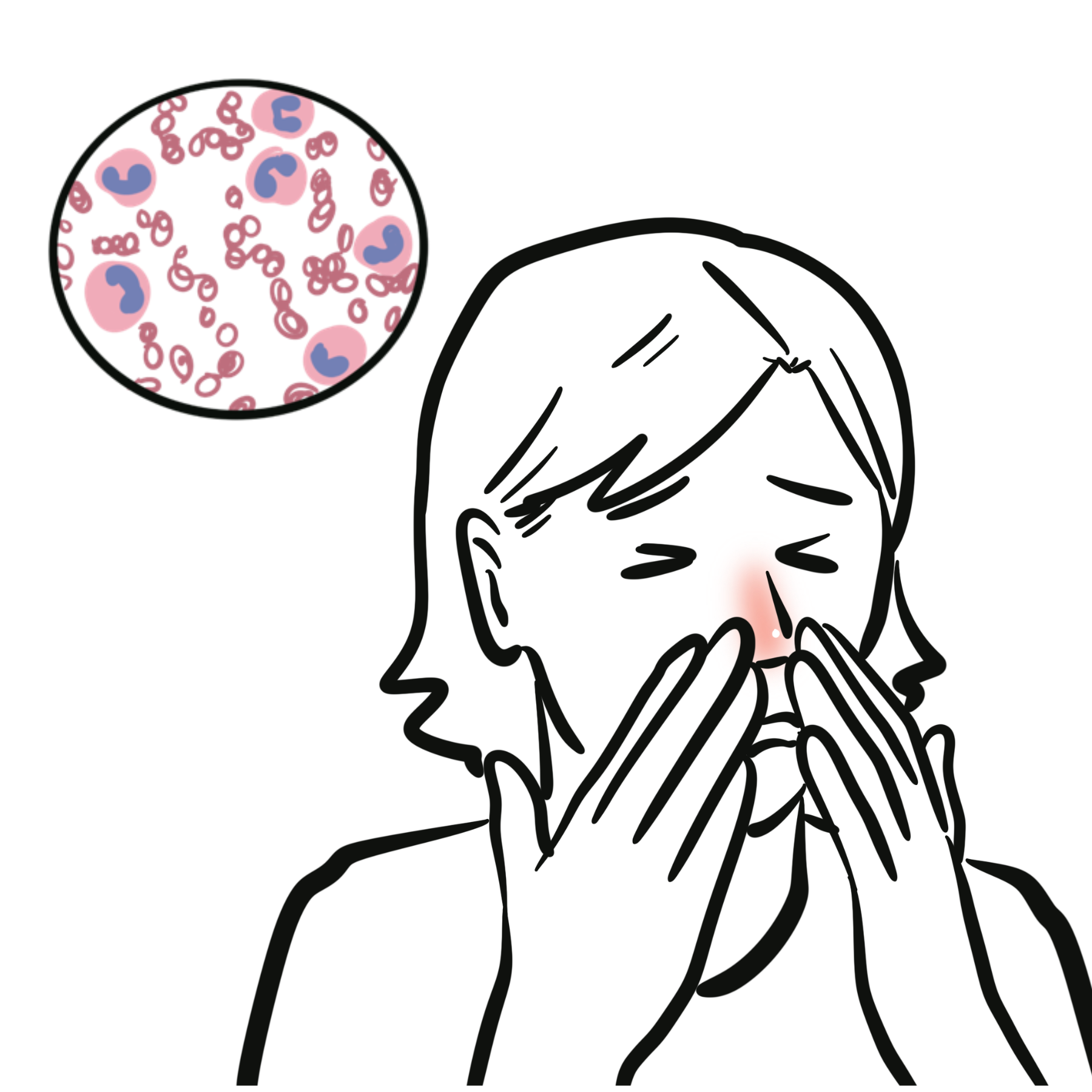
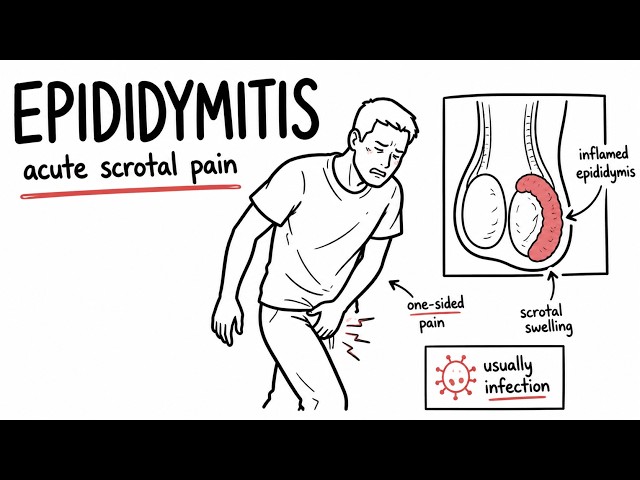
- Renal / Genitourinary: “Sterile pyuria” (pus cells in urine with negative routine bacterial cultures), dysuria, flank pain, and epididymitis/salpingitis.
- Gastrointestinal / Peritoneal: Ileocecal involvement presenting with abdominal pain, palpable right lower quadrant mass, malabsorption, or ascites (“doughy abdomen”).
Sterile pyuria (white blood cells in urine with a negative standard bacterial culture) is a classic presentation for Genitourinary Tuberculosis.
Diagnosis
Microbiological & Molecular Tests (Gold Standard)
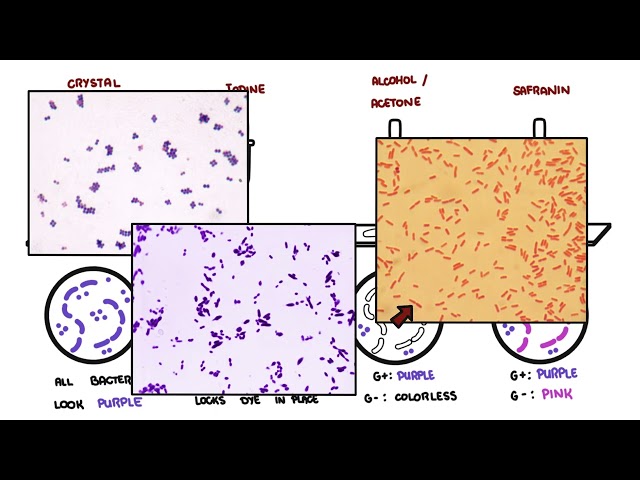
- Sputum Acid-Fast Bacilli (AFB) Smear: Ziehl-Neelsen or auramine-rhodamine fluorescent staining; rapid screening test requiring 3 consecutive morning sputum samples (low sensitivity, cannot distinguish M. tuberculosis from non-tuberculous mycobacteria).
- Rapid Nucleic Acid Amplification Test (NAAT / GeneXpert MTB/RIF): Automated PCR test; detects M. tuberculosis DNA within 2 hours AND simultaneously screens for Rifampicin resistance.
- Mycobacterial Culture (Gold Standard): Performed on liquid media (MGIT, 1–3 weeks) or solid media (Lowenstein-Jensen, 4–8 weeks); mandatory for definitive species identification and Drug Susceptibility Testing.
Imaging Studies
- Chest Radiography
- Primary TB: Subpleural consolidation (Ghon focus) with ipsilateral hilar lymphadenopathy (Ghon complex); pleural effusion.
- Secondary / Reactivation TB: Focal upper-lobe infiltrates, apical and posterior segment consolidation, and cavitary lesions.
- Miliary TB: Reticulonodular pattern with diffuse, uniform 1–2 mm “millet-seed” opacities distributed throughout both lung fields.
Latent TB Screening Tests (Immune Reactivity)
- Tuberculin Skin Test (TST / Mantoux): Intradermal injection of Purified Protein Derivative (PPD); read induration diameter at 48–72 hours.
- >= 5 mm: Positive for high-risk (HIV, recent TB contact, organ transplant).
- >= 10 mm: Positive for moderate-risk (immigrants from endemic areas, IV drug users, healthcare workers, high-risk conditions).
- >= 15 mm: Positive for low-risk individuals with no known risk factors.
- Interferon-Gamma Release Assay (IGRA – QuantiFERON-TB): Blood test measuring T-cell IFN-g release in response to specific M. tuberculosis antigens (ESAT-6, CFP-10). Does NOT cross-react with BCG vaccination or most non-tuberculous mycobacteria.
The IGRA (QuantiFERON) blood test is preferred over TST in patients who have received the BCG vaccine, as TST often produces false-positive results due to BCG cross-reactivity.
Treatment
Active Drug-Susceptible Pulmonary TB (First-Line Regimen)
Standard 6-month treatment regimen divided into two phases:
- Intensive Phase (2 Months): Four drugs — Rifampicin + Isoniazid + Pyrazinamide + Ethambutol (RIPE).
- Continuation Phase (4 Months): Two drugs — Rifampicin + Isoniazid (RI).
- (Note: Duration is extended to 9–12 months for CNS / bone-joint / miliary disease).
Pharmacology
High-Yield Adverse Effects of First-Line RIPE Drugs
- Rifampicin: Red-orange discoloration of bodily fluids (tears, urine, sweat); potent cytochrome P450 inducer (reduces effectiveness of oral contraceptives, warfarin, antiretrovirals); hepatotoxicity.
- Isoniazid (INH): Peripheral neuropathy (prevented by co-administering Pyridoxine / Vitamin B6); drug-induced hepatitis; drug-induced lupus erythematosus.
- Pyrazinamide: Hyperuricemia (may trigger gouty arthritis); severe hepatotoxicity; arthralgias.
- Ethambutol: Optic neuritis (decreased visual acuity and red-green color blindness); requires baseline and periodic visual testing.
Treatment of Latent TB Infection (LTBI)
- Rifampicin monotherapy
- Isoniazid monotherapy
- Rifampicin + Isoniazid combination therapy
Always co-administer Pyridoxine (Vitamin B6) with Isoniazid to prevent peripheral neuropathy, especially in pregnant women, diabetic patients, malnourished individuals, or those with alcoholism.
Complications & Prognosis
- Pulmonary complications
- Massive hemoptysis (erosion into Rasmussen aneurysm)
- Bronchiectasis
- Secondary fungal ball (Aspergilloma) colonizing old tuberculous cavities
- Chronic respiratory failure
- Fibrothorax.
- Amyloidosis (secondary AA type)
- Permanent neurological deficits post-TB meningitis
- Spinal cord compression / paraplegia (Pott disease)
- Constrictive pericarditis.
- Treatment-Related complications
- Severe drug-induced liver injury (DILI)
- Permanent optic nerve damage.
- Over 95% cure rate for drug-susceptible TB when full compliance with the 6-month RIPE regimen is achieved.
- Poor adherence, premature discontinuation, or monotherapy drives treatment failure, relapse, and development of MDR-TB.
References
- Nahid P, Dorman SE, Alipanah N, et al. Official American Thoracic Society/Centers for Disease Control and Prevention/Infectious Diseases Society of America Clinical Practice Guidelines: Treatment of Drug-Susceptible Tuberculosis. Clin Infect Dis. 2016;63(7):e147-e195. doi:10.1093/cid/ciw376
- Dheda K, Barry CE 3rd, Maartens G. Tuberculosis. Lancet. 2016;387(10024):1211-1226. doi:10.1016/S0140-6736(15)00151-8
- World Health Organization. WHO Operational Handbook on Tuberculosis: Module 4: Treatment – Drug-Susceptible Tuberculosis Treatment. Geneva: World Health Organization; 2022.


Members only discussions coming soon…