

Urinary Tract Infection

Overview
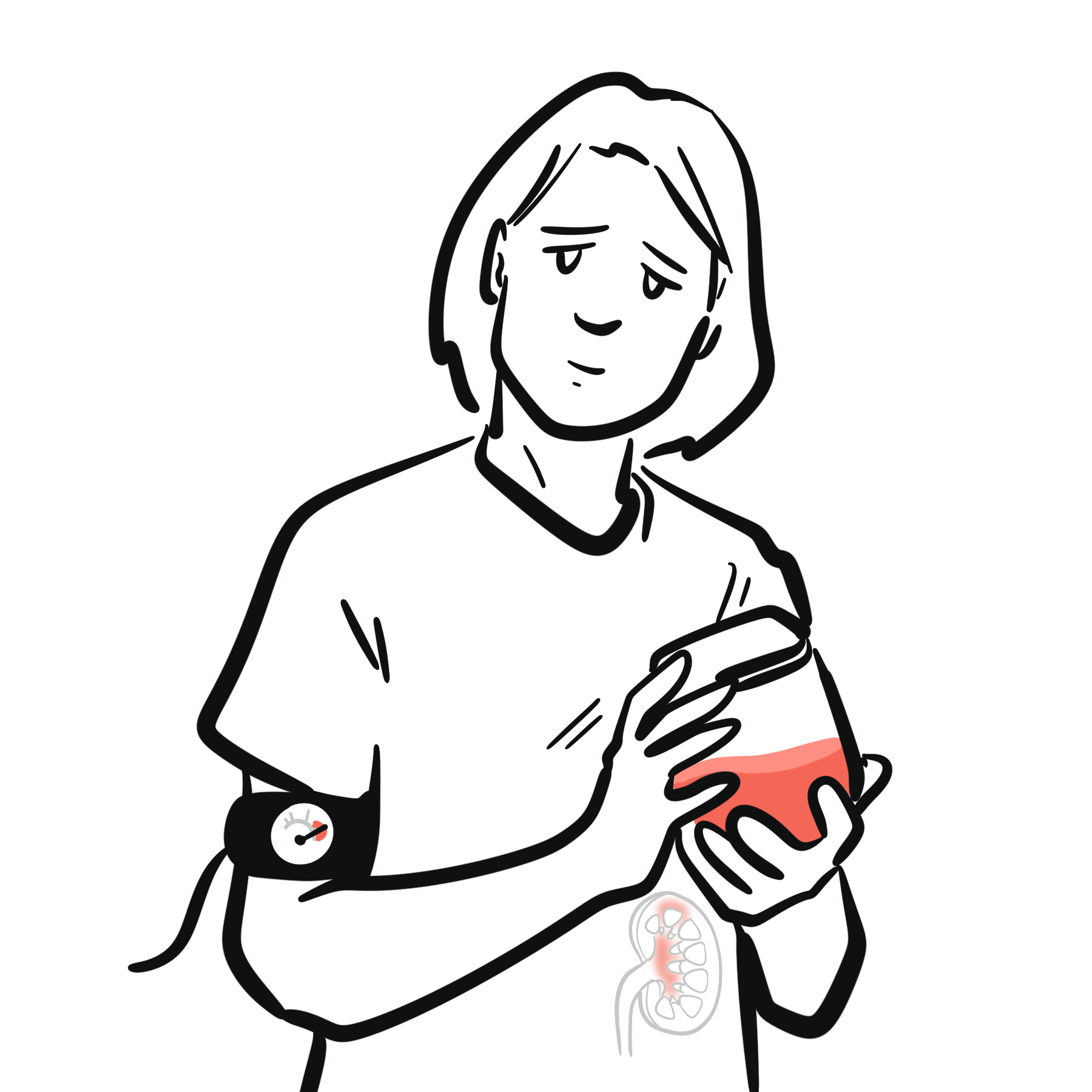
Infection of the urinary tract is common and more so in women (due to shorter urethra and hormonal changes). UTIs may be classified as either a lower (Cystitis, urethritis and Prostatitis) or upper UTI (pyelonephritis). The main causative agents are bacteria such as E-coli. A lower UTI can progress to an upper UTI causing systemic symptoms and acute loin pain.
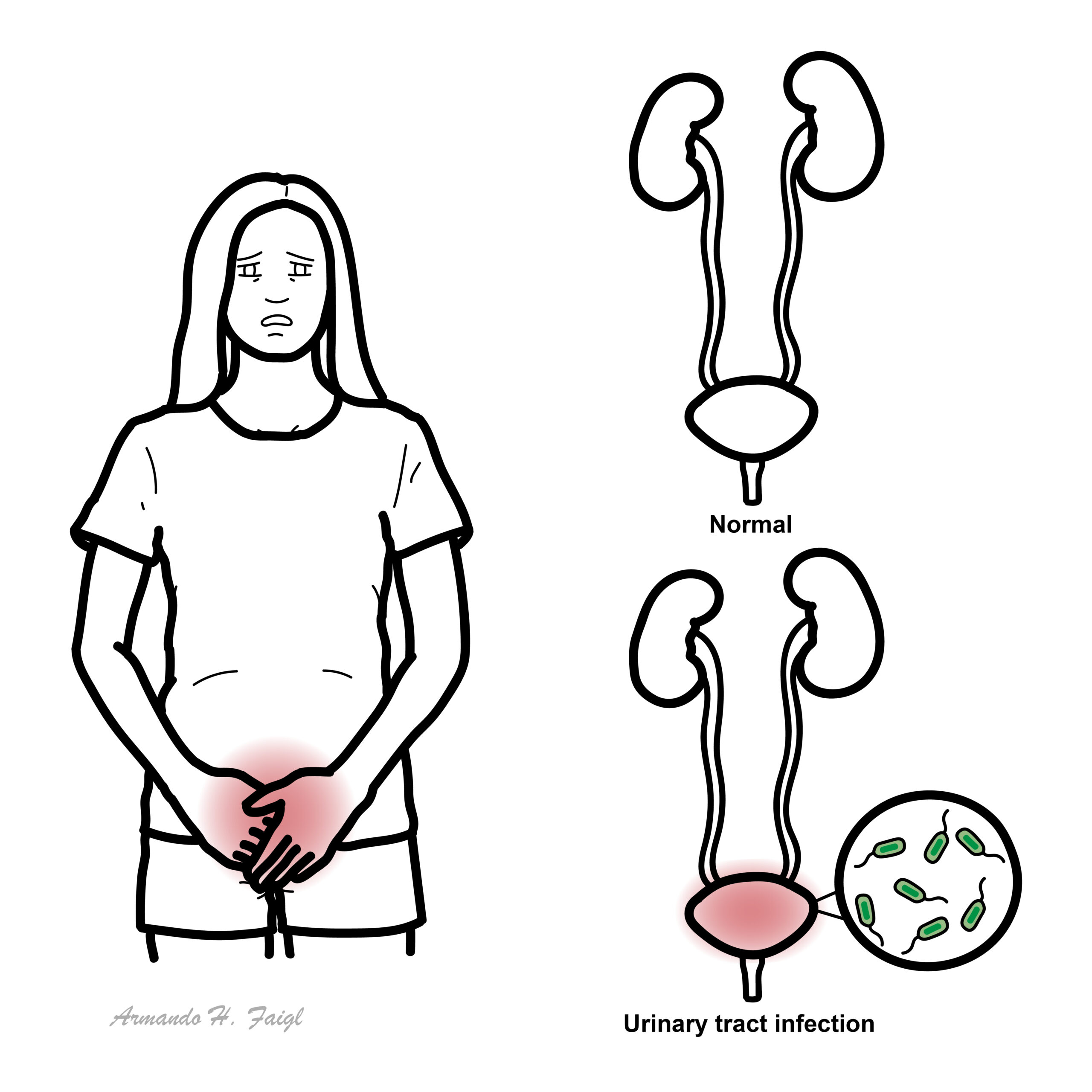
What to notice
Detailed image description
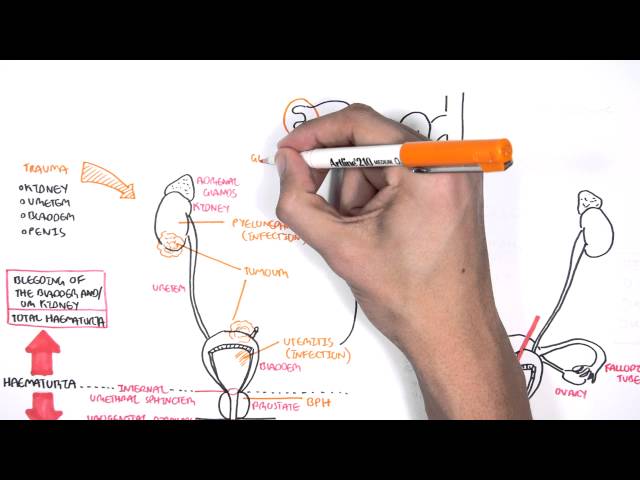
Kidney Anatomy
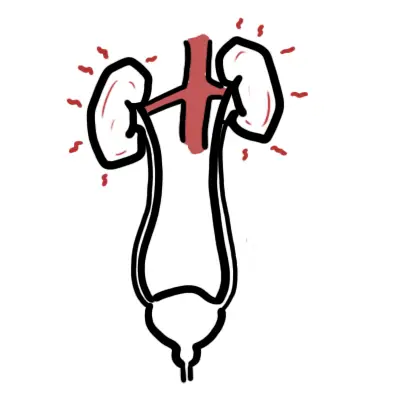
The urinary system consists of:
- Kidneys
- Ureters
- Bladder
- Urethra
The kidneys are retroperitoneal bean shaped organs thats sits between veretbral levels T11-L3, the left kidney sitting slightly higher then the right kidney.
The kidneys is divided into three sections:
- Renal cortex – renal arches and renal columns
- Renal Medulla – pyramids, papillae, major calyx, minor calyx
- Renal Sinus – Pelvis, renal vessels and lymphatics
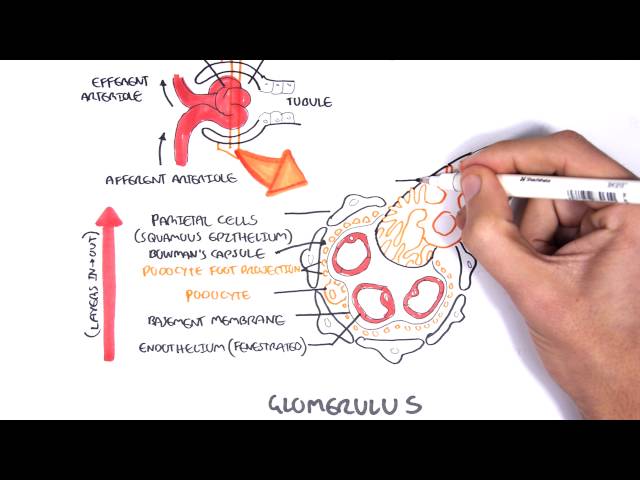
Arterial Supply
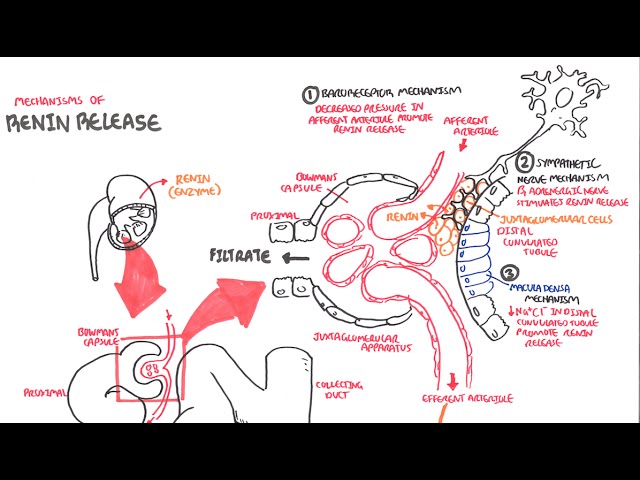
- Aorta → Renal artery (L2) → Segmental artery → Interlobular artery → Cortical radiate artery → Afferent Arteriole → GLOMERULUS
Venous Drainage
- GLOMERULUS → Efferent arteriole (has branches forming the Vasa recta) → Arcuate vein → Interlobar vein → Renal Vein → Inferior vena cava
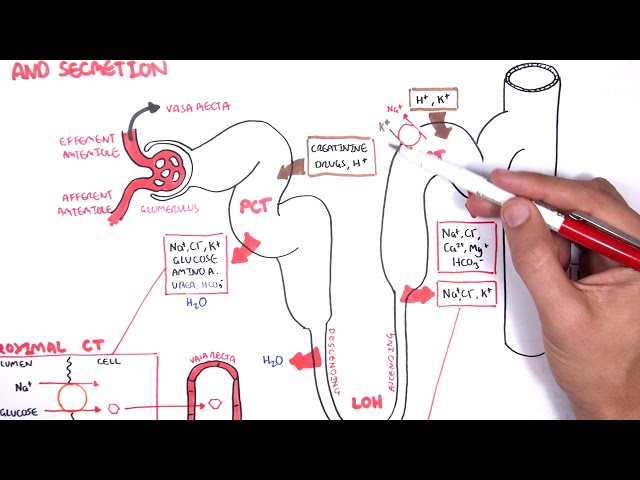
Nephrons
- Functional units of Kidneys
- Nephron’s are structurally divided into two types:
- Cortical
- Juxtamedullary
Ureters arenarrow muscular tube that transport urine to the bladder. There are three narrowed areas of each ureter:
- Ureteropelvic junction
- Ureteral segment
- Ureterovesical junction
Bladder is a muscular organ which holds urine. The wall of the bladder comprises of four layers:
- Adventitia
- Detrusor muscle
- lamina propria
- Urothelium – specialised transitional cell epithelium (can stretch)
Urethra Arisis from the base of the bladder and is the passageway through which urine is discharged from the body. The female urethra is much shorter (3-4cm) than the male urethra (18+cm)
Risk Factors
| Risk Factors |
| Female gender |
| Sexual Intercourse |
| Catheterisation |
| Pregnancy |
| Menopause |
| Diabetes |
| Genitourinary malformation |
| Immunosuppression |
| Urinary Tract obstruction |
Clinical Manifestation
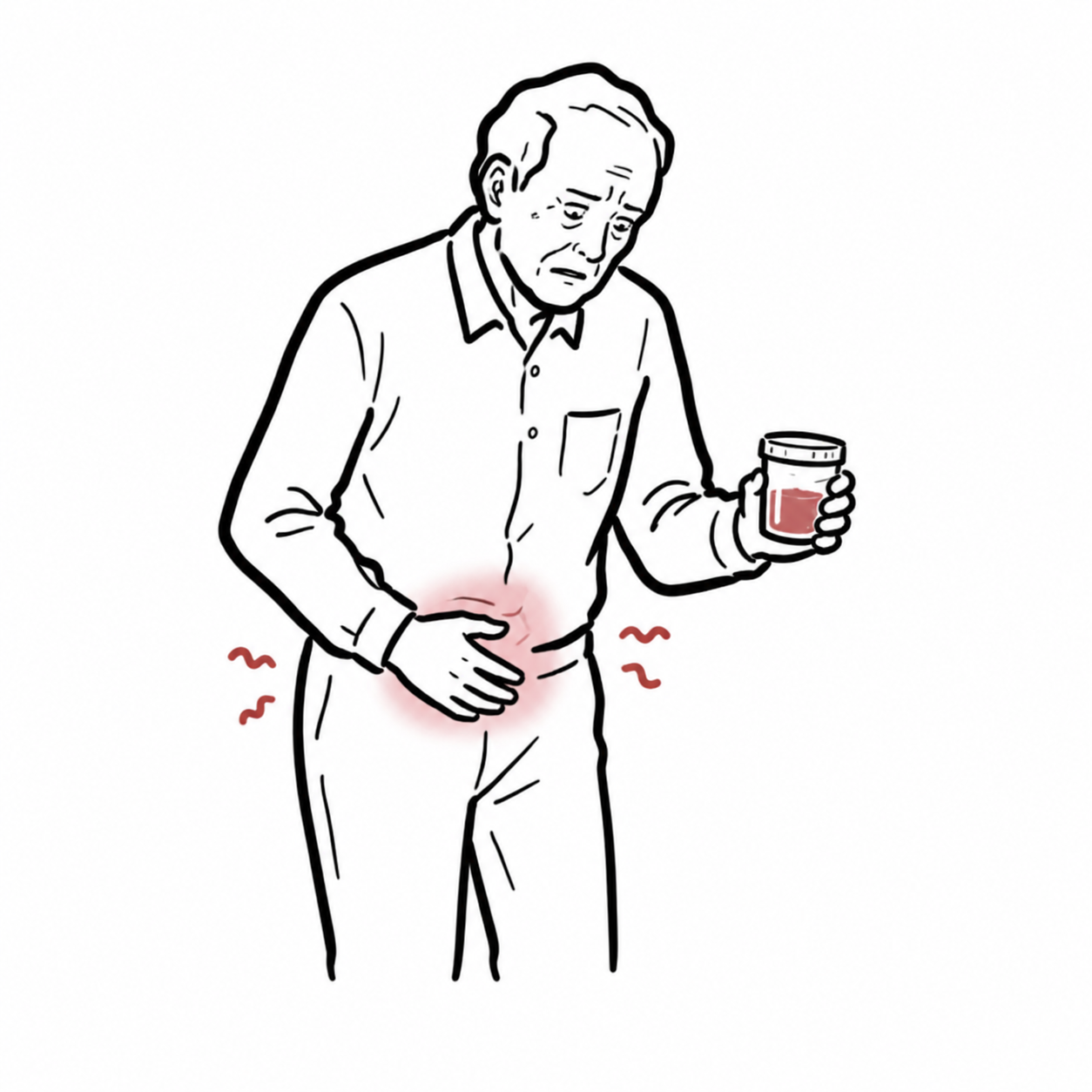
Clinical Presentation – lower urinary tract infection
- Dysuria
- Frequency
- Urgency
- Nocturia
- Haematuria
- Suprapubic discomfort
Clinical Presentation – upper urinary tract infection
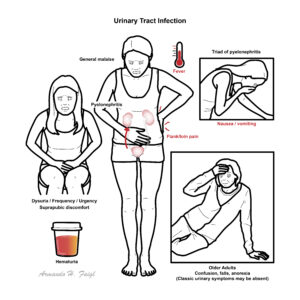
Triad of Pyelonephritis (Upper UTI): Fever, flank/back pain and nausea/vomiting
Investigations
- FBC
- EUC
- LFT
- CRP
- Urinalysis
- Microscopy, culture and sensitivity
- Blood cultures – should be done for patients with pyelonephritis
Diagnosis
- Pyuria and bacteriuria in a carefully collected specimen of urine (midstream)
- Microscopy, culture and sensitivity will confirm diagnosis and severity and guide antibiotic treatment
Treatment
Lower UTI
- Oral Antibiotic treatment for 1-2 weeks (Men 2 weeks recommended)
- Hydration
- Paracetamol – for pain
Upper UTI
- IV Antibiotic treatment first few days (in hospital)
- Oral antibiotics for ~10 days +/-
- Hydration
- Paracetamol – for pain
Refer to Urologist if patient fails to respond to medical treatment, has recurrent UTIs, Haemturia and men with symptoms of UTI as this is considered abnormal.
Complications & Prognosis
- Pyelonephritis
- Pre-term delivery
- Urinary Retention
- Recurrent UTI
- Prostatitis
- Sepsis
- Renal Abscess
- Prognosis UTI in women and men is excellent. With appropriate antimicrobial treatment and resolution of symptoms, there is unlikely to be long-term sequelae.
- Acute cystitis is common, many patients will eventually have a recurrence. If the patient has a recurrence of the symptoms within 1 month of the treatment, urinalysis and cultures are indicated to verify the diagnosis and to guide therapy.
References
Davidson’s Principles and Practice of Medicine
Nickel, J.C. (2005) Practical management of recurrent urinary tract infections in premenopausal women. Reviews of Urology, vol 7 (1), 11-17.
Australian Doctor – renal stones
Australian Family Physician – Urinary stone disease
BMJ: http://bestpractice.bmj.com.ipacez.nd.edu.au/best-practice/monograph/225/diagnosis/history-and-examination.html
Davidson’s Principles and Practices of Medicine

Members only discussions coming soon…