

Chicken Pox (Varicella Zoster)
Overview
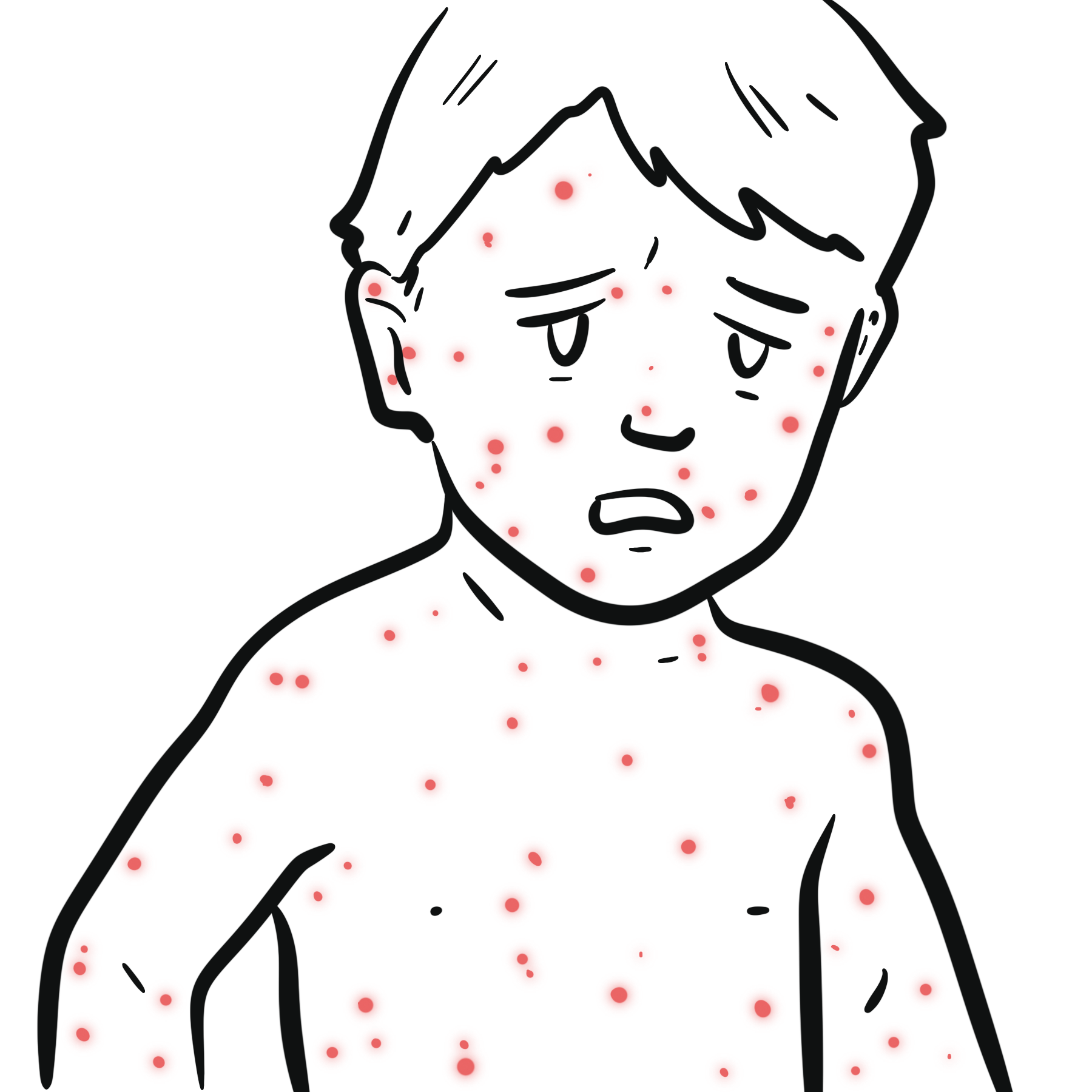
Chickenpox (Varicella) is an acute, highly contagious primary viral infection caused by the Varicella-Zoster Virus (VZV), a member of the Herpesviridae family. It is classically characterized by a generalized, intensely pruritic, polymorphic rash that progresses rapidly from macules and papules to clear “dewdrop-like” vesicles before crusting over.
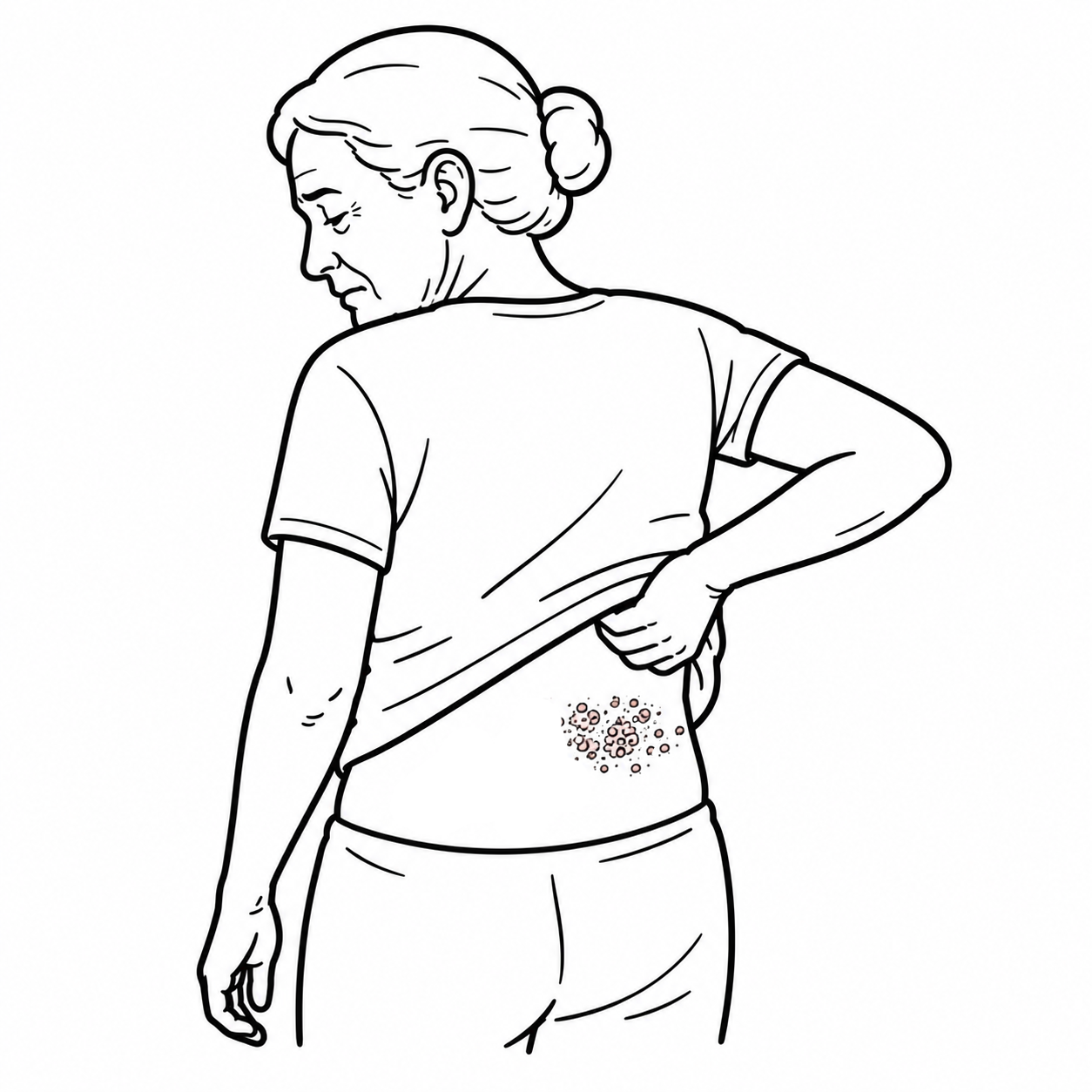
Although varicella is typically a mild, self-limiting childhood illness, it carries significant risk of severe morbidity and mortality in adults, pregnant women, neonates, and immunocompromised individuals. Following primary infection, VZV establishes life-long latent infection within sensory dorsal root and cranial nerve ganglia, with potential for localized reactivation later in life as Herpes Zoster (Shingles).
Definition
“Dewdrops on a Rose Petal”: The classic clinical description of early varicella lesions—thin-walled, clear fluid-filled vesicles situated atop an erythematous base.
Polymorphic Rash: The characteristic presence of lesions at multiple different stages of development (macules, papules, vesicles, and crusts) simultaneously in the same anatomical region.
Latent Ganglionic Persistence: The ability of VZV to migrate via retrograde axonal transport to sensory dorsal root ganglia and remain dormant for decades.
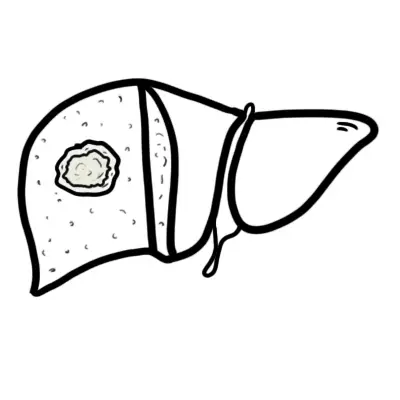
Reye Syndrome: A rare, potentially fatal condition characterized by acute metabolic encephalopathy and visceral fatty degeneration (primarily microvesicular hepatic steatosis), linked to aspirin (salicylate) administration during active varicella or influenza infection in children.
Congenital Varicella Syndrome: A severe fetopathy resulting from maternal primary VZV infection during the first half of pregnancy (up to 20 weeks’ gestation).
Classification
Uncomplicated Pediatric Varicella
- Primary infection in healthy children (aged 1–12 years); typically mild with low-grade fever and self-limiting cutaneous involvement.
Adult & Adolescent Varicella (Aged >= 13 Years)
- Significantly more severe clinical course with systemic prodromal symptoms, denser lesion burden, and an elevated risk of severe organ complications (most notably varicella pneumonia).
Neonatal / Perinatal Varicella
- Occurs when a mother develops primary varicella between 5 days before and 2 days after delivery. The newborn receives a large viral load without protective maternal transplacental IgG antibodies, leading to severe disseminated infection with up to 30% mortality if untreated.
Congenital Varicella Syndrome
- Results from maternal infection during early pregnancy (peak risk between 8–20 weeks’ gestation). Characterized by limb hypoplasia, cicatricial (zigzag) skin scarring, microcephaly, chorioretinitis, and cataracts.
Maternal varicella 5 days before to 2 days after delivery is a neonatological emergency requiring immediate administration of Varicella Zoster Immune Globulin (VZIG) and IV Acyclovir to the newborn.
Aetiology & Risk Factors
Aetiology
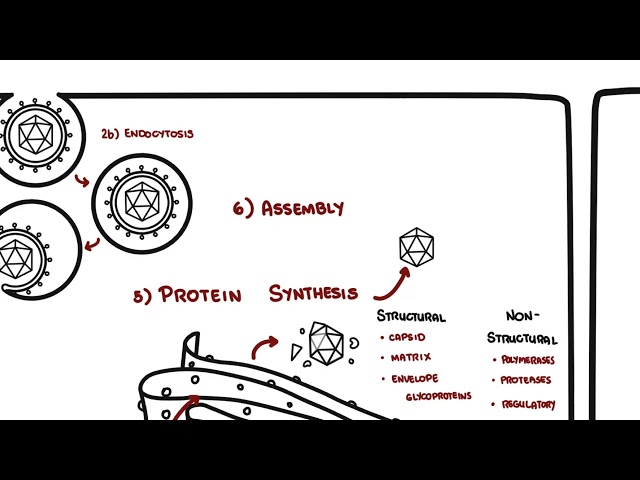
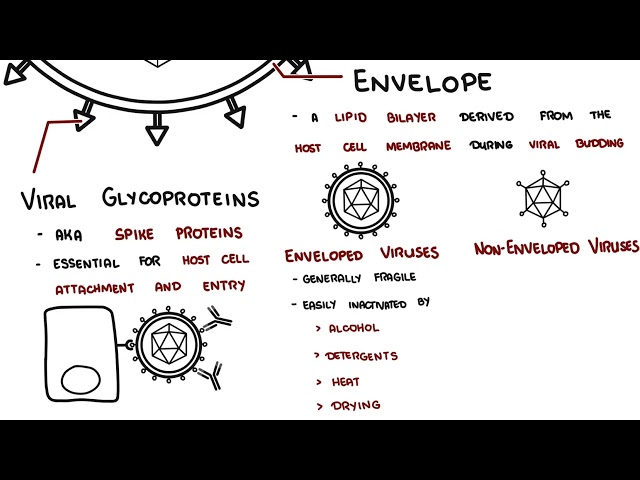
Varicella-Zoster Virus (VZV): An enveloped, double-stranded DNA virus belonging to the Alphaherpesvirinae subfamily (Human Herpesvirus 3 [HHV-3]).
High-Risk Populations for Severe Disease
- Neonates and infants (< 1 year).
- Adolescents and adults (>= 13 years).
- Pregnant women.
- Immunocompromised patients (e.g., cell-mediated immune deficiencies, HIV/AIDS, active chemotherapy, long-term systemic corticosteroids).
Patients are contagious until every single vesicle has crusted over. Children cannot return to school or day care while active, uncrusted fluid vesicles remain.
Pathophysiology
Transmission
- Modes of Transmission: Respiratory droplet nuclei, direct contact with infectious vesicular fluid, or aerosolized viral particles from active skin lesions.
- Infectious Window: From 1–2 days prior to rash onset until all vesicles have completely crusted over (typically 5–7 days after rash appearance).
- Incubation Period: 10 to 21 days (most commonly 14 to 16 days).
- Primary Viremia & Dissemination: Inhaled viral particles replicate in regional lymph nodes before entering the bloodstream (primary viremia). The virus then multiplies within organs of the reticuloendothelial system, producing a higher-magnitude secondary viremia that seeds the skin and mucous membranes.
- Vesicle Formation: VZV targets capillary endothelial cells and epidermal keratinocytes, inducing ballooning degeneration, intracellular edema, and acantholysis, creating intraepidermal clear-fluid vesicles.
- Ganglionic Latency: Viral capsids move via sensory nerve endings retrogradely along axons to settle permanently in spinal dorsal root and trigeminal ganglia.
Clinical Manifestations
Prodromal Phase (1–2 Days Before Rash)
- Prominent in adults and older children; minimal or absent in young children.
- Features low-grade fever, malaise, myalgias, headache, anorexia, and mild pharyngitis.
Exanthem (The Rash)
- Distribution: Centripetal pattern—originates on the trunk, scalp, and face, before spreading peripherally to the extremities (palms and soles are relatively spared).
- Morphological Progression: Lesions evolve rapidly over 6 to 12 hours:
- Erythematous macules ->
- Papules ->
- Clear fluid vesicles (“dewdrops on a rose petal”) ->
- Cloudy/pustular umbilicated vesicles ->
- Crusted eschars.
- Polymorphism: Because lesions erupt in successive crops over 3 to 5 days, macules, papules, vesicles, and crusts exist simultaneously in the same region.
- Pruritus: Severe, intense itching accompanies the rash.
Enanthem (Mucosal Involvement)
- Small, painful, shallow ulcers on the oral mucosa, palatal arches, conjunctiva, and vaginal mucosa.
A polymorphic rash (crops of lesions at different stages of evolution simultaneously) distinguishes Varicella from Smallpox (Variola), where all lesions in a given body region are at the exact same stage of development.
Diagnosis
Diagnosis is primarily clinical, based on a characteristic history of exposure combined with the pathognomonic polymorphic centripetal vesicular rash.
Indicated in atypical presentations, immunocompromised patients, severe complications, or hospital infection control settings:
- VZV Polymerase Chain Reaction (PCR): Gold standard diagnostic test; performed on vesicular fluid scrapings or swab samples. Rapid, highly sensitive, and specific.
- Direct Fluorescent Antibody (DFA): Rapid detection of VZV antigen from lesion scrapings.
- Tzanck Smear: Microscopic evaluation of lesion base fluid showing multinucleated giant cells and epithelial cells with intranuclear inclusions (cannot differentiate VZV from HSV-1 or HSV-2).
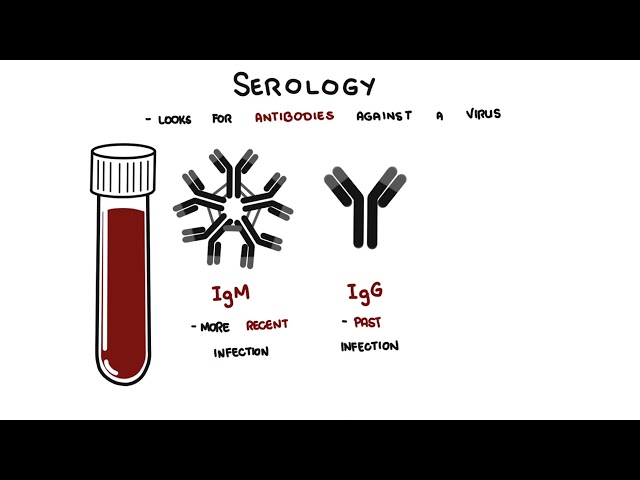
- Serology (VZV IgG / IgM): Evaluates baseline immune status or confirms past infection/vaccination.
Treatment
Symptomatic & Supportive Care (All Patients)
- Pruritus Control: Cool compresses, calamine lotion, and oral sedating/non-sedating antihistamines.
- Fever Management: Use Paracetamol (Acetaminophen).
- Strict Contraindications:
- NEVER give Aspirin (Salicylates): High risk of triggering Reye Syndrome.
- Avoid NSAIDs (Ibuprofen): Associated with an increased risk of severe, invasive Group A Streptococcal superinfections (e.g., necrotizing fasciitis).
Antiviral Therapy
- Oral Acyclovir (800 mg 5 times/day for 5–7 days) or Valacyclovir (1000 mg 3 times/day):
- Indications: Healthy individuals aged >= 13 years, secondary household contact cases (which tend to be more severe), patients with chronic cutaneous or pulmonary disorders, or those receiving short-term oral corticosteroid therapy.
- Timing: Must be initiated within 24 hours of rash onset to significantly reduce lesion duration and fever.
- Intravenous Acyclovir (10 mg/kg IV every 8 hours):
- Indications: All immunocompromised patients, pregnant women with complications (e.g., varicella pneumonia), neonates, and patients with severe visceral organ involvement.
Post-Exposure Prophylaxis (PEP)
- Live Attenuated Varicella Vaccine: Administered within 3 to 5 days of exposure to susceptible, immunocompetent individuals aged >= 12 months.
- Varicella Zoster Immune Globulin (VZIG): Passive immunization indicated within 96 hours to 10 days post-exposure for high-risk susceptible individuals:
- Immunocompromised children and adults without proof of immunity.
- Pregnant women without evidence of immunity.
- Neonates whose mothers developed varicella within 5 days before to 2 days after delivery.
- Hospitalized premature infants born at >= 28 weeks’ gestation whose mothers lack immunity, or premature infants < 28 weeks regardless of maternal immunity.
Avoid Ibuprofen and NSAIDs in children with chickenpox due to the increased risk of deep, invasive Group A Streptococcal skin infections and necrotizing fasciitis.
Complications & Prognosis
Complications
- Secondary Bacterial Superinfection: Most common complication overall; superficial skin lesions become secondary infected with Staphylococcus aureus or Streptococcus pyogenes (impetigo, cellulitis, subcutaneous abscess, necrotizing fasciitis, and sepsis).
- Neurological Complications:
- Acute Cerebellar Ataxia: Most common neurological complication in children (~1 in 4,000); presents with gait ataxia, nystagmus, and dysarthria 1–3 weeks post-infection. Usually self-limiting and fully resolves over weeks.
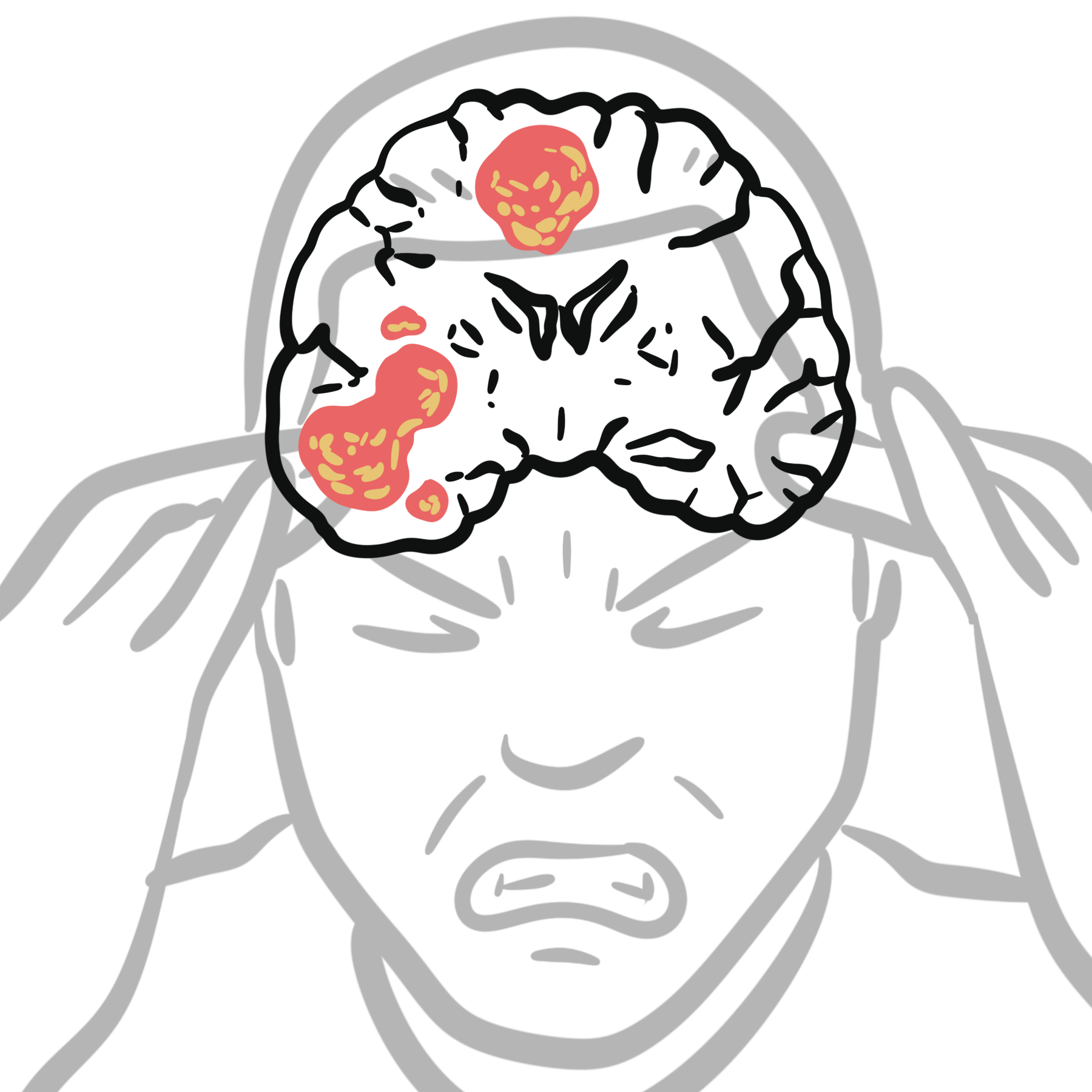
- Varicella Encephalitis: Rare, severe complication presenting with altered mental status, seizures, and focal neurological deficits; requires IV Acyclovir.
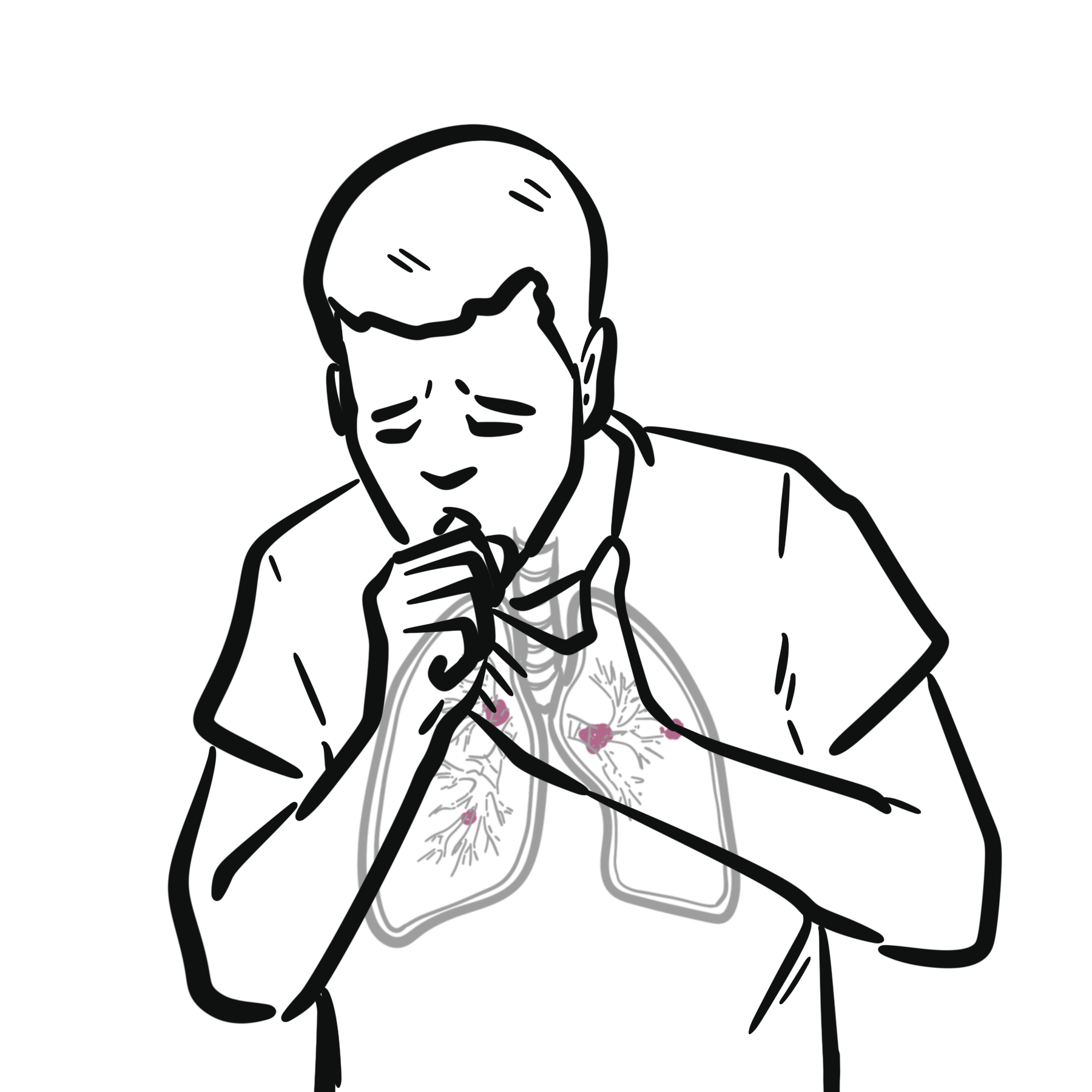
- Varicella Pneumonia: Most common severe complication in adults (accounting for up to 20% of adult cases); presents 1–6 days post-rash with fever, cough, dyspnoea, tachypnoea, hemoptysis, and diffuse nodular infiltrates on chest radiography. High mortality if untreated.
- Reye Syndrome: Rapidly progressive encephalopathy and liver failure secondary to aspirin administration.
- Hematological: Thrombocytopenia and purpura fulminans.
- Uncomplicated Childhood Varicella: Excellent prognosis; full recovery within 7–10 days with lifelong immunity against primary varicella.
- Adult & High-Risk Groups: Carries a 10- to 30-fold higher risk of hospitalization and death compared to healthy children if antiviral therapy is not initiated promptly.
References
- Gershon AA, Breuer J, Cohen JI, et al. Varicella zoster virus infection. Nat Rev Dis Primers. 2015;1:15016. doi:10.1038/nrdp.2015.16
- American Academy of Pediatrics. Varicella-Zoster Virus Infections. In: Kimberlin DW, Barnett ED, Lynfield R, Sawyer MH, eds. Red Book: 2021–2024 Report of the Committee on Infectious Diseases. 32nd ed. Elk Grove Village, IL: American Academy of Pediatrics; 2021:831-843.
- Freer G, Pistello M. Varicella-zoster virus infection: natural history, clinical manifestations, immunity and vaccination. New Microbiol. 2018;41(2):95-105.





Members only discussions coming soon…